Open-World Games in 2026: Bigger Worlds, But Are They More Fun?
Open-World Games in 2026: Bigger Worlds, But Are They More Fun?
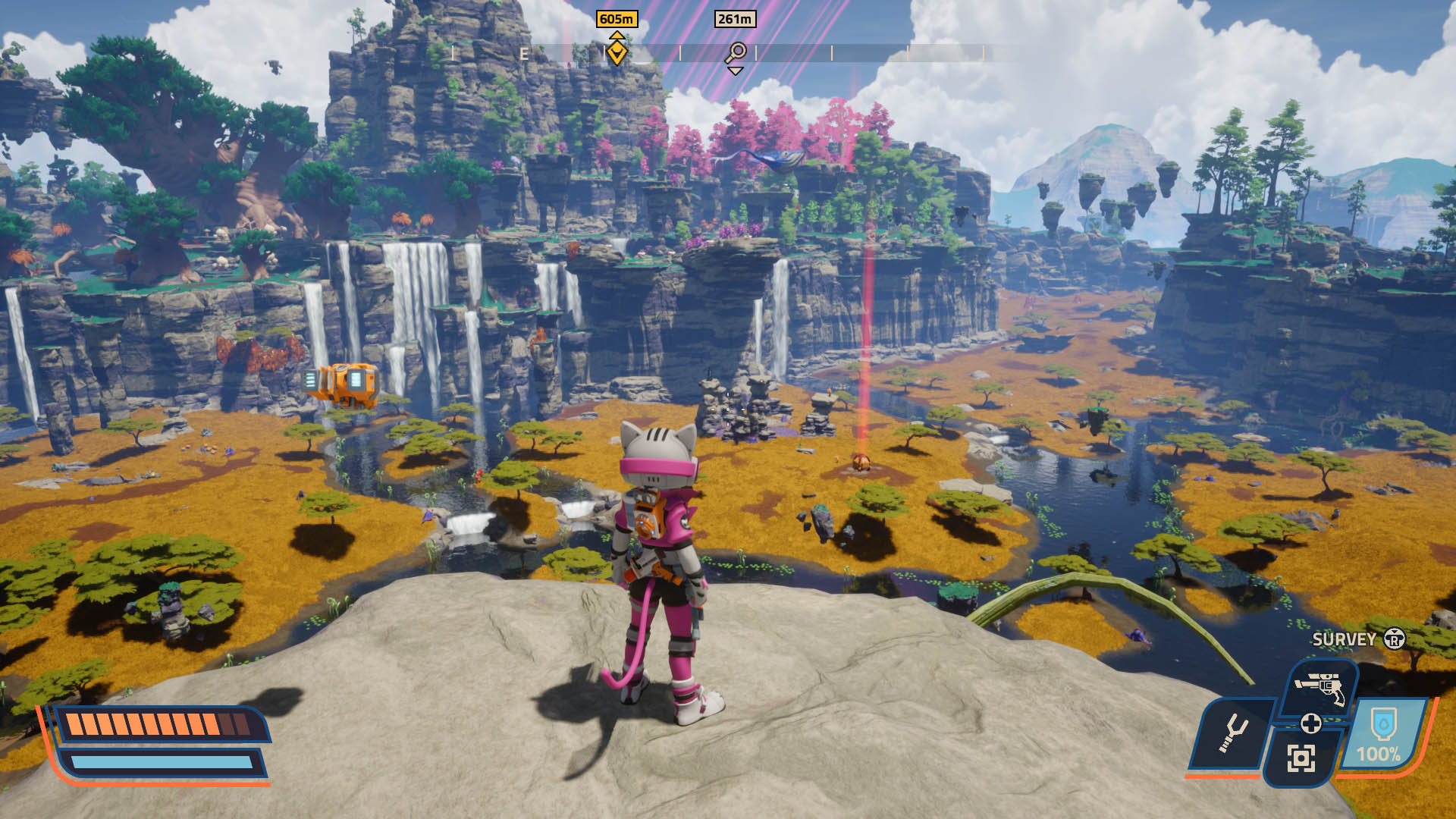
Open-world games have always promised freedom. The ability to go anywhere, do anything, and shape your own adventure is a powerful idea that has defined some of the most popular titles in gaming history. By 2026, open-world design has reached a new level. Maps are larger than ever, environments are more detailed, and activities seem endless.
But this raises an important question: does a bigger world automatically mean a better experience? Or are games at risk of becoming wide but shallow?
Let’s take a closer look at the state of open-world games in 2026.
Worlds That Feel Almost Infinite

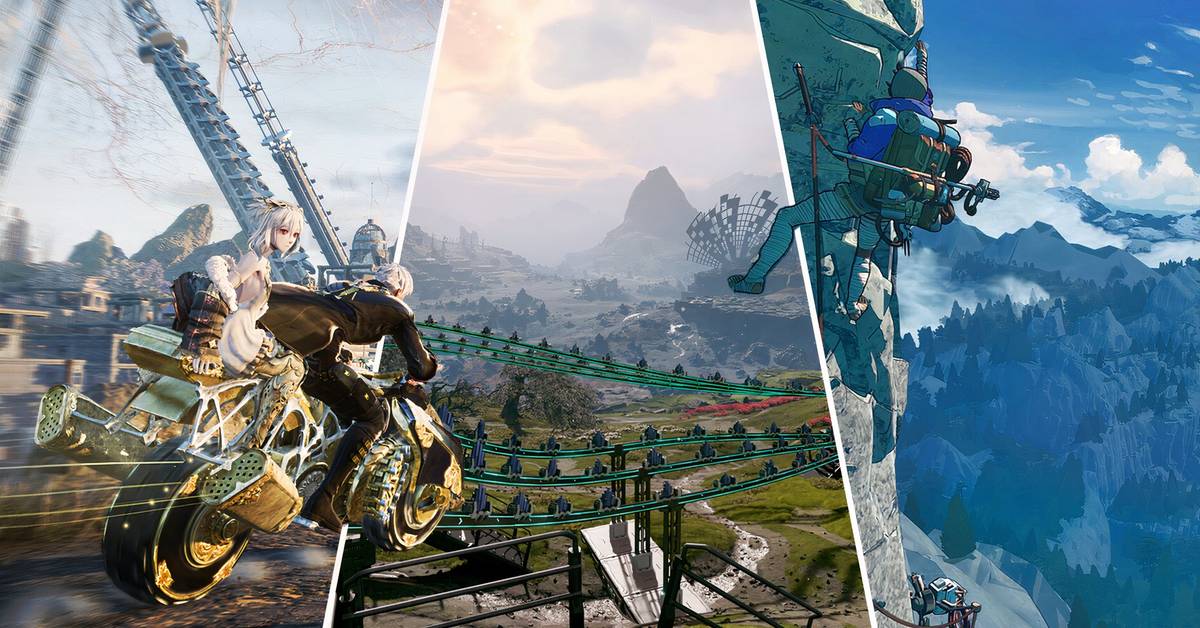
Technological advancements have allowed developers to create maps that are not just large, but incredibly dense and realistic. Modern open-world games use procedural generation combined with hand-crafted design to build landscapes that stretch for hundreds of virtual kilometers.
You can travel from crowded futuristic cities to remote mountain villages without loading screens. Forests have dynamic ecosystems. Weather systems affect visibility, movement, and NPC behavior. Rivers flow naturally around terrain instead of following static paths.
Thanks to powerful hardware and AI-assisted world-building tools, developers can now fill massive environments with believable details — from graffiti on alley walls to erosion patterns on cliffs.
On a technical level, open worlds in 2026 are astonishing.
More Activities Than Ever Before

Another defining feature of modern open-world games is the sheer number of things to do. Side quests, dynamic events, crafting systems, mini-games, random encounters, faction missions — the list keeps growing.
In theory, this creates endless variety. You might start your session planning to follow the main story, only to get distracted by a street race, a mysterious cave, or a spontaneous NPC encounter.
However, abundance can become overwhelming. Many players report “open-world fatigue” — a feeling that there’s too much to do, making everything feel less meaningful. When maps are covered in icons and objectives, exploration can start to feel like a checklist rather than an adventure.
The Problem of Empty Space
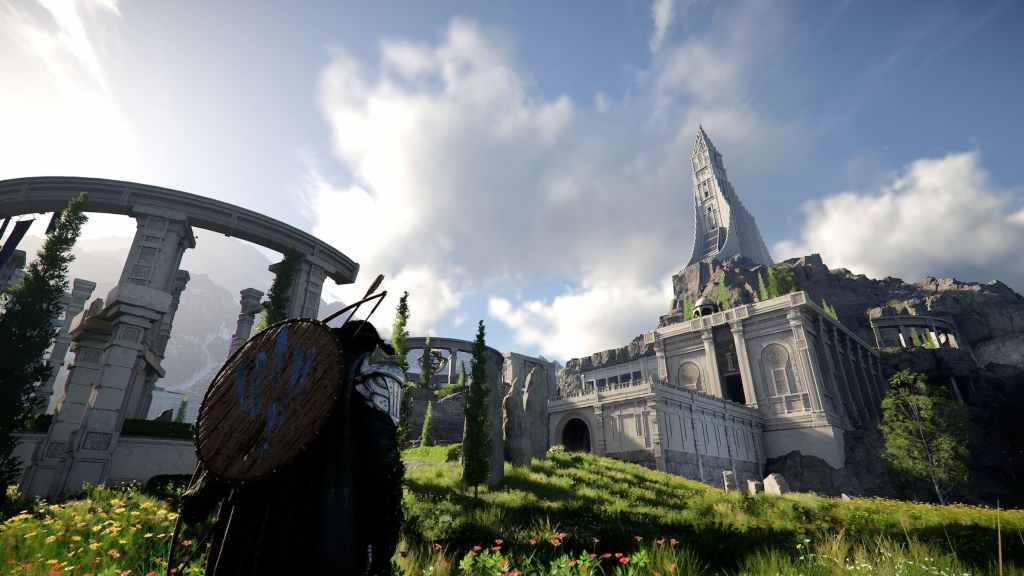
Bigger maps don’t always mean richer experiences. One of the biggest criticisms of some modern open-world games is empty scale — large areas with little meaningful interaction.
Even with advanced procedural tools, not every hill, desert, or forest can offer unique gameplay. Long travel times between activities can slow pacing and make exploration feel repetitive, especially if the scenery, while beautiful, doesn’t change gameplay significantly.
Developers in 2026 are trying to solve this with smarter world design. Instead of just expanding horizontally, they focus on layered density — adding vertical exploration, interior spaces, and interactive systems that make smaller areas feel deeper.
AI Makes Worlds Feel More Alive
One of the most exciting improvements in 2026 open-world games is the use of advanced AI to bring environments to life.
NPCs now follow daily routines, react dynamically to weather and player actions, and remember past interactions. Cities feel less like static backdrops and more like living ecosystems. Shopkeepers close stores at night. Crowds react differently depending on events happening in the world. Wildlife behaves in more realistic and unpredictable ways.
These AI-driven systems create emergent gameplay — unscripted moments that feel personal. A random encounter on the road might turn into a chain of events you never expected.
This kind of dynamism can make even familiar locations feel fresh over time.
Storytelling vs Freedom
A major design challenge in open-world games is balancing narrative focus with player freedom. In 2026, games offer more choice than ever, allowing players to approach missions in multiple ways or ignore the main story entirely.
But too much freedom can weaken storytelling. Urgent plotlines lose impact when players spend hours fishing, crafting, or doing unrelated side activities. Emotional pacing can break when serious story moments are surrounded by lighthearted distractions.
Developers are experimenting with more flexible narratives that adapt to player behavior. Some games delay certain story events until players are ready, while others weave side content directly into the main plot to keep the experience cohesive.
Travel: Immersion or Time Sink?
As worlds grow, travel becomes a bigger part of the experience. Some games emphasize realism with limited fast travel, dynamic road events, and environmental hazards. Others allow instant teleportation to reduce downtime.
Both approaches have pros and cons. Realistic travel can deepen immersion and create memorable moments. But too much travel time can frustrate players who just want to reach their next objective.
In 2026, many open-world games offer hybrid systems: fast travel for convenience, but rich optional travel mechanics for players who enjoy the journey itself.
Are Bigger Worlds Actually More Fun?
The answer depends on how that size is used.
A massive world filled with repetitive tasks can feel more exhausting than exciting. Meanwhile, a smaller but densely packed world with meaningful interactions can feel far more immersive.
The best open-world games in 2026 understand that scale should serve gameplay, not replace it. Instead of just asking “How big can we make it?”, developers are asking, “How interesting can we make every part of it?”
The Future of Open Worlds
Looking ahead, the trend isn’t just toward bigger spaces, but smarter ones. AI-driven systems, procedural storytelling, and dynamic environments aim to make worlds that respond to players rather than just exist around them.
The goal is not infinite land, but infinite possibility.
Final Verdict
Open-world games in 2026 are undeniably larger and more technologically impressive than ever before. The sense of freedom, realism, and environmental detail can be breathtaking. But size alone doesn’t guarantee fun.
What truly matters is density, variety, and meaningful interaction. When developers focus on making worlds feel alive rather than just big, open-world games reach their full potential.
In the end, players don’t just want a bigger map — they want a world worth getting lost in.
About the Author

Related posts:
- The Alters Review A Sci-Fi Game That Asks What If You Were Someone Else
- Final Fantasy VII Rebirth Review — Cloud’s Adventure Returns More Spectacular Than Ever
- Pacific Drive Review — A Strange but Surprisingly Captivating Post-Apocalyptic Survival Journey
- Best Games of Early 2025 — A Complete Review from RPGs to the Hottest Shooters