Procedural Games in 2026: Infinite Worlds to Explore
Procedural Games in 2026: Infinite Worlds to Explore

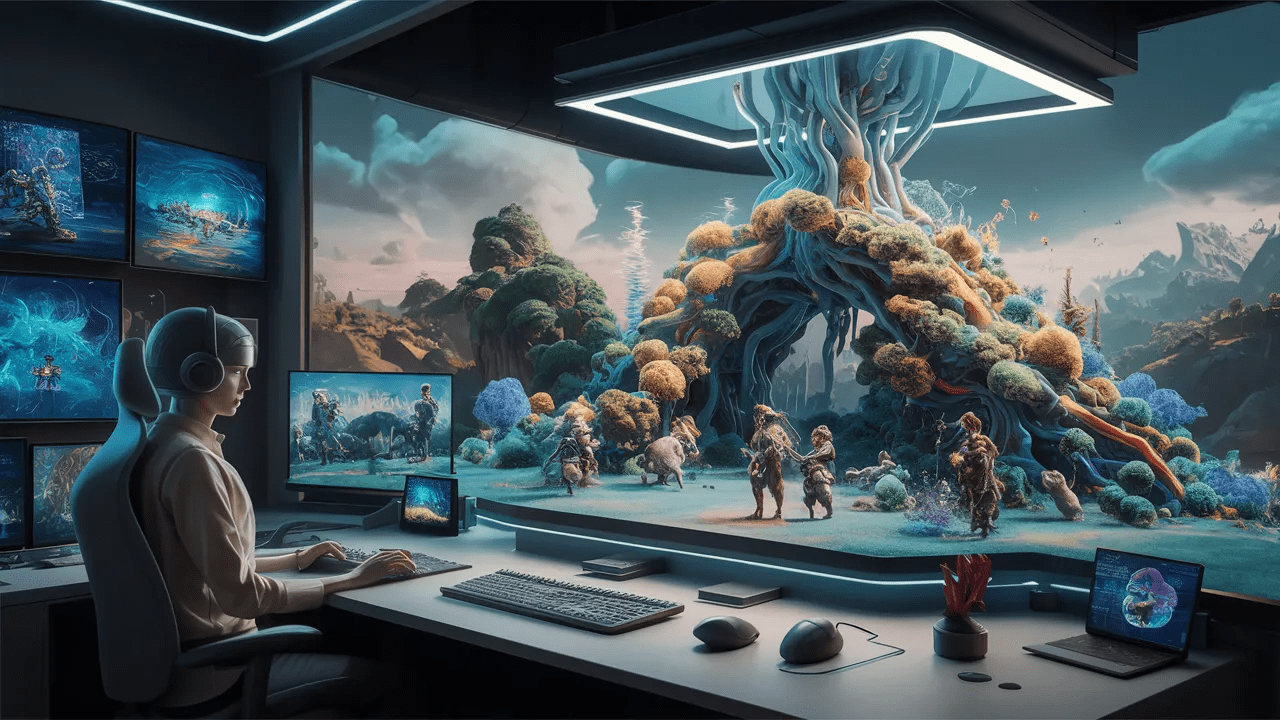
The gaming industry in 2026 continues to push boundaries—not only in graphics and storytelling, but also in how game worlds are created. One of the most fascinating and rapidly evolving concepts is procedural generation, a technology that allows developers to create vast, dynamic worlds using algorithms instead of manually designing every detail.
In simple terms, procedural games offer something incredibly powerful: near-infinite worlds that change every time you play. But how does this technology work, and is it truly the future of gaming—or does it come with hidden drawbacks?
What Is Procedural Generation?


Procedural generation is a method of creating game content automatically using algorithms. Instead of developers designing every map, quest, or environment by hand, the game generates them in real time or during loading.
This can include:
• Landscapes and terrain
• Dungeons and levels
• Enemy placements
• Loot and items
• Even story elements in some cases
Classic examples include games like Minecraft and No Man’s Sky, where entire worlds are generated procedurally, offering players a unique experience every time.
The Power of Infinite Exploration

The biggest appeal of procedural games is their limitless exploration.
In traditional games, once you’ve explored the map, there’s little left to discover. But in procedural games:
• Worlds can be virtually endless
• Locations are rarely repeated exactly
• New experiences are constantly generated
In 2026, this concept has evolved even further. Modern procedural systems can create:
• Entire planets with ecosystems
• Cities with dynamic layouts
• Quests that adapt to player behavior
This means players are no longer just exploring a world—they are exploring a system that continuously creates new possibilities.
Smarter and More Complex Generation
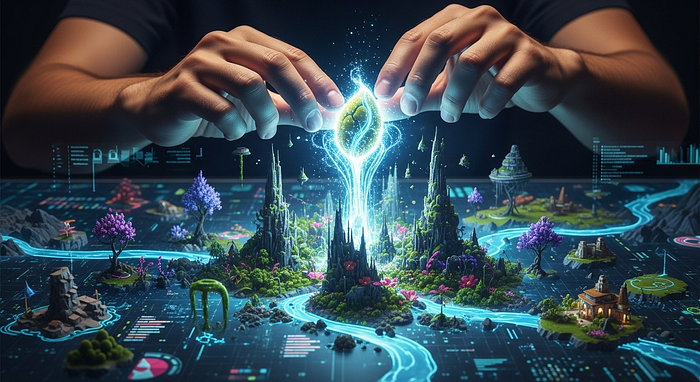
Early procedural systems often faced criticism for being repetitive or lacking depth. Environments might look different on the surface but feel similar in structure.
However, in 2026, procedural generation has become far more advanced thanks to:
• Artificial intelligence
• Machine learning models
• Improved algorithm design
Modern systems can now:
• Create more natural and believable environments
• Generate meaningful variations in gameplay
• Adapt content based on player decisions
For example:
• A forest might change based on weather systems
• Enemy behavior could evolve over time
• Quests might be generated based on your previous choices
This adds a level of depth that older procedural games often lacked.
Procedural Storytelling: A New Frontier
One of the most exciting developments is procedural storytelling.
Traditionally, stories in games are written by developers and follow fixed paths. But in 2026, procedural systems can assist in generating:
• Dynamic quests
• Character interactions
• Branching storylines
While fully AI-generated narratives are still developing, hybrid systems are becoming popular. Developers create the core story framework, while procedural systems fill in details and variations.
This allows for:
• Personalized narratives
• Unique player experiences
• Increased replayability
No two players may experience the exact same story.
Benefits of Procedural Games
Procedural generation offers several key advantages:
1. Massive Scale
Developers can create huge worlds without manually building every part.
2. Replayability
Each playthrough feels fresh and unpredictable.
3. Efficiency
Smaller teams can create large-scale games using procedural tools.
4. Player Freedom
Players can explore without boundaries or predefined paths.
The Downsides: Quantity vs Quality
Despite its strengths, procedural generation is not perfect.
One of the biggest criticisms is the risk of shallow content.
Even with advanced systems, some procedural games may:
• Feel repetitive over time
• Lack handcrafted detail
• Offer less emotional impact compared to scripted experiences
This highlights a key challenge:
Infinite content does not always mean meaningful content.
Developers must balance procedural generation with handcrafted elements to maintain quality.
Hybrid Design: The Best of Both Worlds
In 2026, many developers are adopting a hybrid approach:
• Core areas and story elements are handcrafted
• Secondary content is procedurally generated
This allows for:
• Strong narrative experiences
• Rich, detailed environments
• Endless exploration beyond the main story
This combination is widely seen as the future of procedural game design.
Impact on Game Genres
Procedural generation is influencing multiple genres:
Survival Games
Endless worlds enhance exploration and resource management.
Roguelikes and Roguelites
Procedural levels ensure each run is unique.
Open World Games
Dynamic environments reduce repetition and increase immersion.
Space Exploration Games
Entire galaxies can be generated for players to explore.
The Future of Procedural Gaming
Looking ahead, procedural generation will continue to evolve.
Future developments may include:
• Fully AI-generated worlds with complex ecosystems
• Real-time procedural storytelling
• Personalized game worlds based on player data
• Integration with cloud computing for larger-scale generation
Eventually, we may see games where the world is not just infinite—but constantly evolving.
Conclusion
Procedural games in 2026 represent one of the most exciting directions in the gaming industry. By enabling infinite exploration and dynamic content creation, they offer experiences that go far beyond traditional game design.
However, the true challenge lies in balancing scale with meaning. While technology allows for limitless worlds, players still seek depth, purpose, and emotional connection.
So, are procedural games the future?
The answer is likely yes—but not alone. The future belongs to games that combine procedural innovation with human creativity, creating worlds that are not only vast, but also truly unforgettable.
About the Author