Digital Games vs Physical Games in 2026: Will Disc Collections Become Extinct?
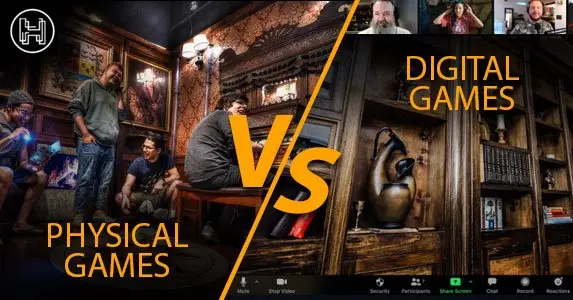
Digital Games vs Physical Games in 2026: Will Disc Collections Become Extinct?

The gaming industry has undergone massive changes over the past decade, and one of the most noticeable shifts is how games are distributed. In 2026, the debate between digital games vs physical games is more relevant than ever. With the rise of digital storefronts, subscription services, and cloud gaming, many players are beginning to question the future of physical discs.
So, are we witnessing the end of physical game collections? Or do discs still have a place in modern gaming?
The Rise of Digital Gaming

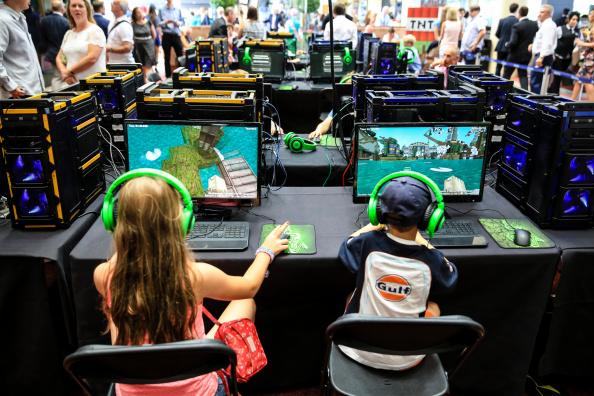
Digital gaming has grown rapidly thanks to platforms like Steam, PlayStation Store, and Xbox Store. These platforms allow players to purchase, download, and play games instantly without leaving their homes.
In 2026, digital sales dominate the market. Many publishers report that over 80% of game sales are now digital, especially on PC and modern consoles.
The reasons are clear:
• Instant access to games
• No need for physical storage
• Frequent discounts and sales
• Easy updates and patches
Digital gaming fits perfectly into the modern lifestyle—fast, convenient, and accessible.
The Decline of Physical Discs
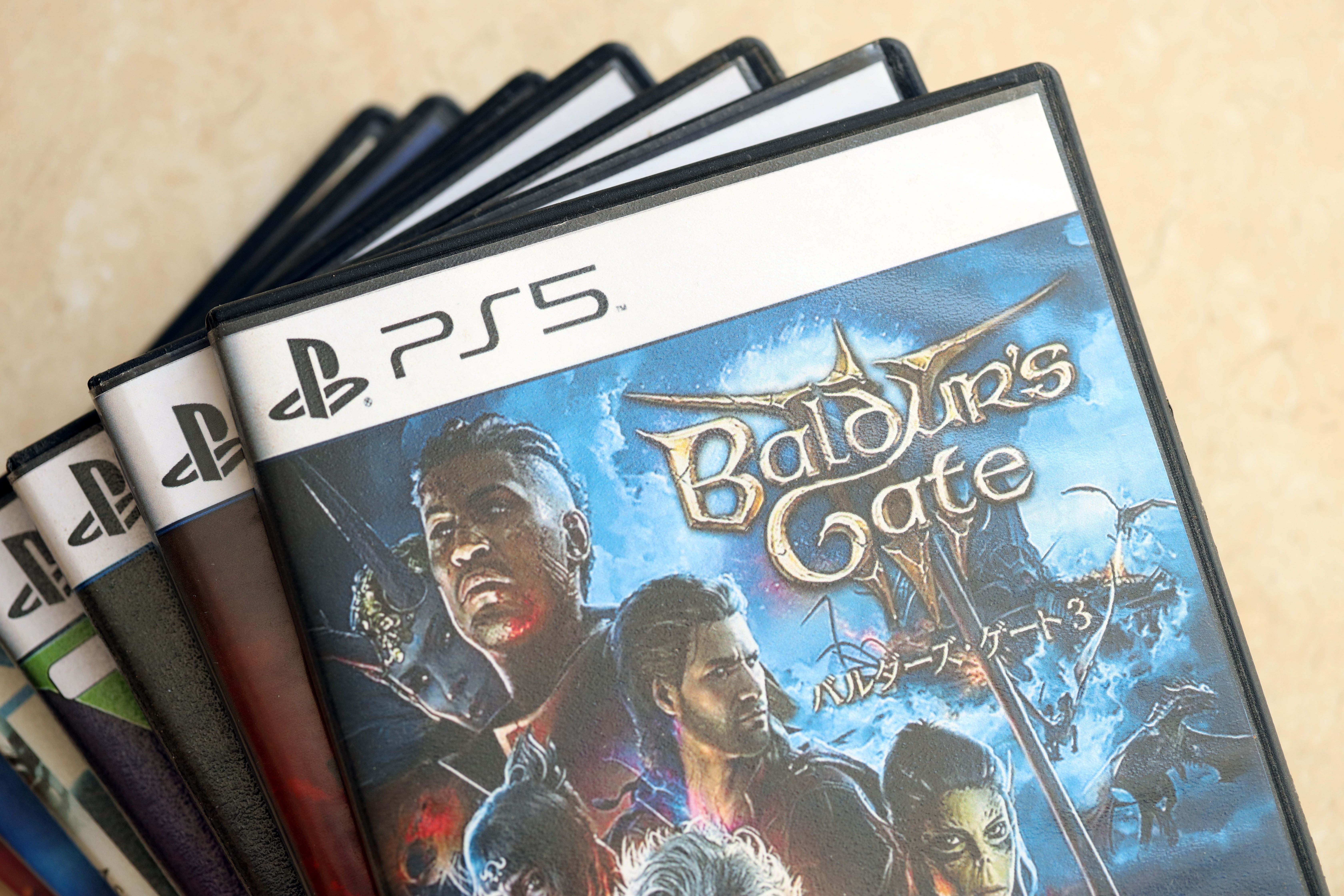
Physical game copies—once the standard—are slowly declining.
Game discs used to represent ownership. Players could:
• Collect their favorite titles
• Trade or resell games
• Display collections as part of gaming culture
However, in 2026, physical copies are facing several challenges:
• Fewer retailers stocking physical games
• Higher production and distribution costs
• Limited editions becoming niche products
• Many discs requiring large downloads anyway
In some cases, the disc itself is no longer the full game—it simply acts as a key to download content online.
Why Some Players Still Prefer Physical Games

Despite the dominance of digital gaming, physical games are far from dead.
Many players still prefer discs for several reasons:
1. True Ownership
With a physical copy, players own the game without relying on servers or accounts.
2. Resale Value
Physical games can be traded, sold, or shared—something digital purchases often restrict.
3. Collectibility
Special editions, steelbooks, and boxed copies hold sentimental and collector value.
4. Offline Access
Physical games can be played without internet (in some cases), which is important in regions with limited connectivity.
For collectors, physical games are more than just software—they are part of gaming history.
The Role of Subscription Services
The rise of subscription services like Xbox Game Pass and PlayStation Plus is accelerating the shift toward digital.
These platforms offer:
• Large libraries of games
• Monthly access for a fixed fee
• Cloud gaming options
As more players adopt subscriptions, the need to buy physical copies decreases.
This trend is similar to what happened in the movie industry, where streaming services reduced demand for DVDs and Blu-rays.
Cloud Gaming: The Final Push?
Cloud gaming may be the biggest threat to physical media.
With cloud platforms, players can:
• Stream games instantly
• Play on multiple devices
• Avoid downloads and installations entirely
This removes the need for both discs and even local storage.
As internet infrastructure improves globally, cloud gaming could become a major force, further reducing the relevance of physical games.
The Downsides of Going Fully Digital
While digital gaming is convenient, it comes with its own drawbacks:
1. No True Ownership
Players don’t fully own digital games—they own licenses that can be revoked or restricted.
2. Server Dependency
If a platform shuts down or removes a game, access may be lost.
3. Storage Limitations
Large game sizes can quickly fill up storage space.
4. Pricing Control
Digital marketplaces often control pricing, limiting second-hand markets.
These concerns keep many players loyal to physical media.
A Cultural Shift in Gaming
The shift from physical to digital is not just technological—it’s cultural.
Younger gamers are growing up in a digital-first environment:
• They are used to downloads and streaming
• They value convenience over ownership
• Physical collections are less important to them
Meanwhile, older gamers often have a nostalgic attachment to physical copies.
This generational difference plays a major role in shaping the future of game distribution.
Will Physical Games Disappear?
So, will physical discs become extinct?
The answer is: unlikely—but they will become niche.
Physical games are expected to:
• Decline in mainstream popularity
• Continue as collector’s items
• Exist in limited or premium editions
Similar to vinyl records in the music industry, physical games may survive as a specialty market rather than the standard format.
The Future: A Hybrid Ecosystem
In 2026 and beyond, the gaming industry is moving toward a hybrid model:
• Digital downloads for convenience
• Subscriptions for accessibility
• Physical copies for collectors
This approach allows players to choose how they want to experience games.
Conclusion
The battle between digital and physical games in 2026 is not about one replacing the other completely—it’s about evolution.
Digital gaming has become the dominant force due to its convenience and accessibility. However, physical games still hold value for collectors, enthusiasts, and players who prioritize ownership.
So, will disc collections become extinct?
Not entirely. But they are no longer the future—they are becoming a part of gaming’s past, preserved by those who still appreciate the tangible side of the medium.
In the end, the choice between digital and physical comes down to one simple question:
do you value convenience, or do you value ownership?
About the Author