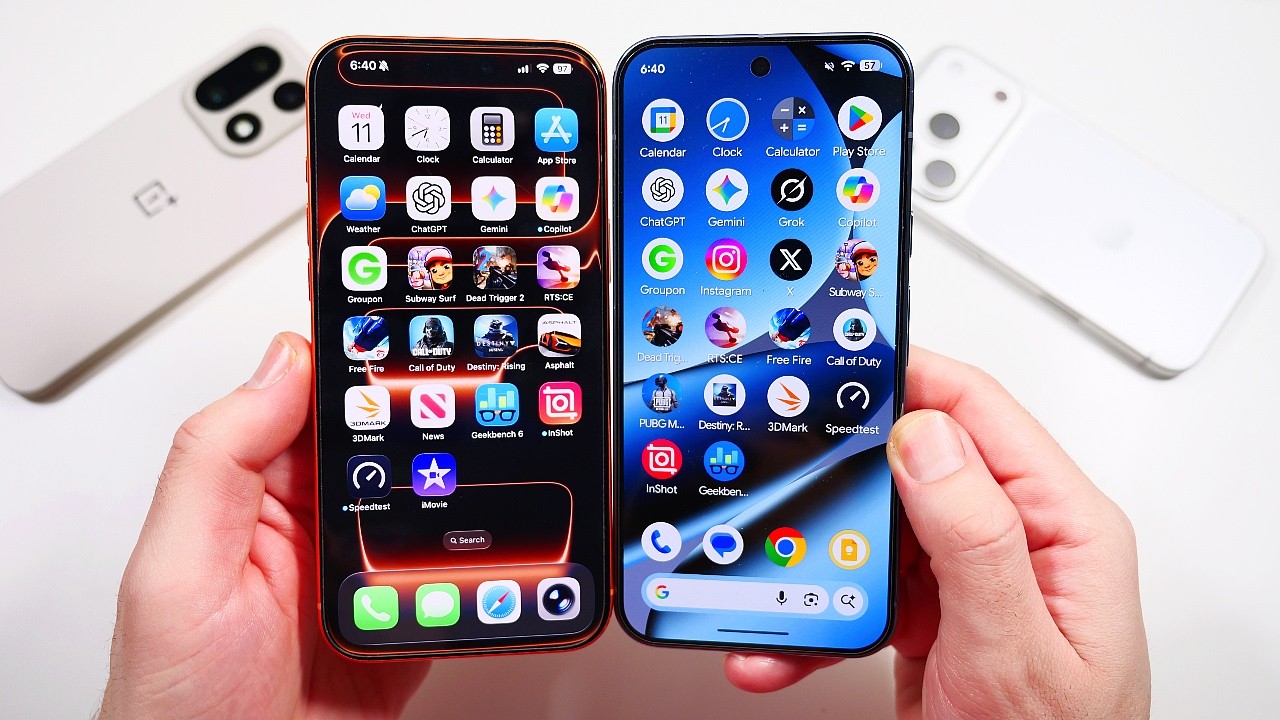
Android vs iPhone 2026: Which Is Superior in Smartphone Technology?

The competition between Android and iPhone continues to become more interesting in 2026. Both platforms have developed significantly over the years, introducing faster processors, advanced artificial intelligence, improved cameras, better displays, and more efficient battery technology. However, the question remains: Android vs iPhone 2026, which one is superior in smartphone technology?
There is no simple answer because Android and iPhone approach innovation differently. Android manufacturers often compete by introducing new hardware and flexible features, while Apple focuses heavily on integration between hardware, software, artificial intelligence, security, and its broader ecosystem.
Performance and Processor Technology

/pcq/media/media_files/2026/04/15/iphone-18-vs-android_-why-skipping-iphone-18-could-be-a-smarter-choice-in-2026-2026-04-15-08-21-18.jpg)
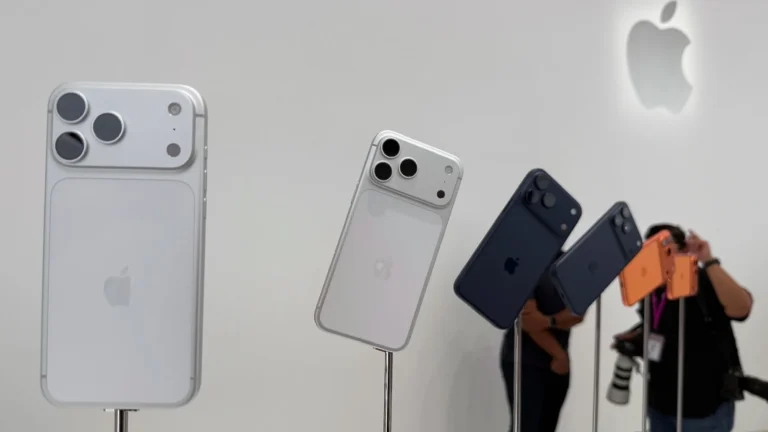
Performance remains one of the most important factors when comparing Android and iPhone in 2026. Apple’s latest smartphone processors are designed specifically for its devices, allowing the company to optimize the relationship between hardware and software.
This vertical integration gives the iPhone an important advantage. Apple controls the processor design, operating system, and many aspects of the user experience. As a result, applications can be highly optimized for iOS, while demanding tasks such as gaming, video editing, photography, and AI processing can run efficiently.
Android takes a different approach. Manufacturers use processors from companies such as Qualcomm and MediaTek, while some brands also develop their own chip technology. This creates a highly competitive Android market where flagship smartphones can offer extremely powerful performance.
For everyday users, both platforms provide more than enough processing power. The difference becomes more noticeable in specialized tasks such as professional video editing, intensive gaming, and artificial intelligence workloads.
Artificial Intelligence: Android vs iPhone
Artificial intelligence has become one of the biggest battlegrounds in the smartphone industry in 2026.
Android manufacturers have aggressively integrated AI into their smartphones. AI features can assist with photography, writing, translation, search, voice commands, productivity, and content organization.
Google’s Android ecosystem also benefits from its long experience in artificial intelligence and machine learning. Many Android devices can use AI to improve everyday interactions and provide intelligent recommendations.
Apple has also continued expanding its AI strategy. Instead of treating AI as a separate application, Apple aims to integrate intelligent features throughout the operating system. AI can assist with writing, notifications, information management, image processing, and other everyday tasks.
Privacy is another important part of Apple’s AI strategy. On-device processing can allow certain tasks to be handled directly by the smartphone rather than sending all information to cloud servers.
In terms of AI innovation, Android currently offers a highly diverse range of features, while Apple’s strength comes from deep integration between AI, iOS, and Apple hardware.
Display Technology
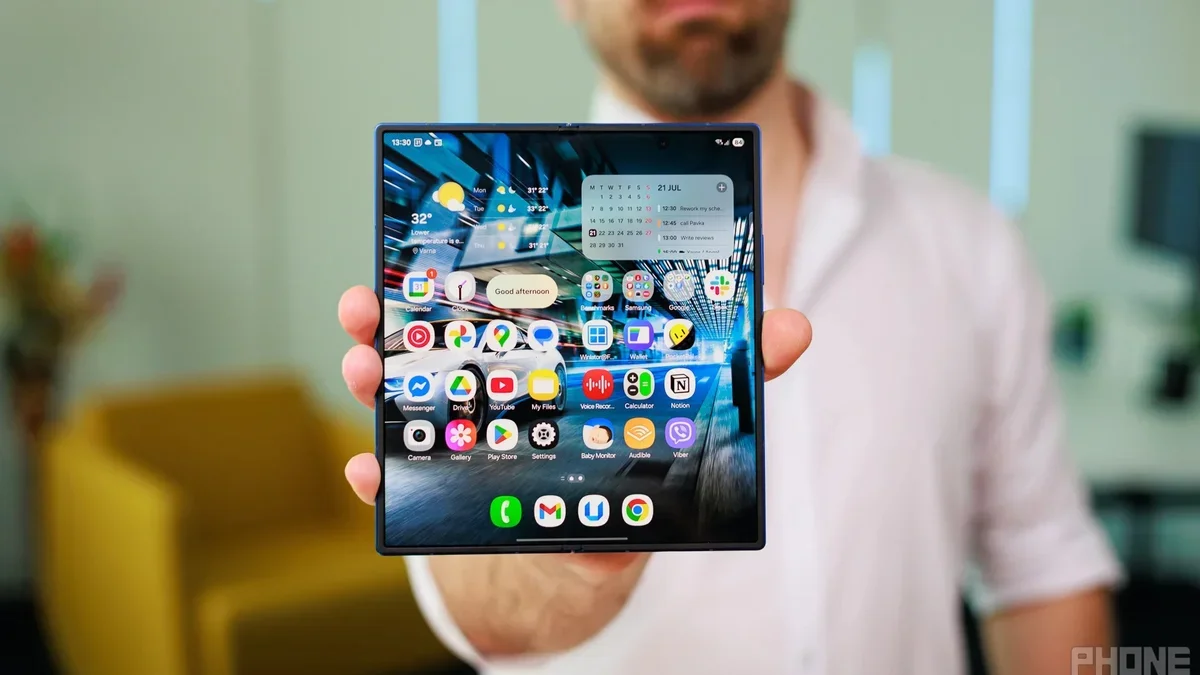
Display technology is another area where Android and iPhone compete closely in 2026.
Premium Android smartphones have introduced impressive OLED and AMOLED displays with high refresh rates, excellent brightness, sharp resolutions, and advanced power management. Some manufacturers have also pushed smartphone displays toward higher refresh rates and extremely thin bezels.
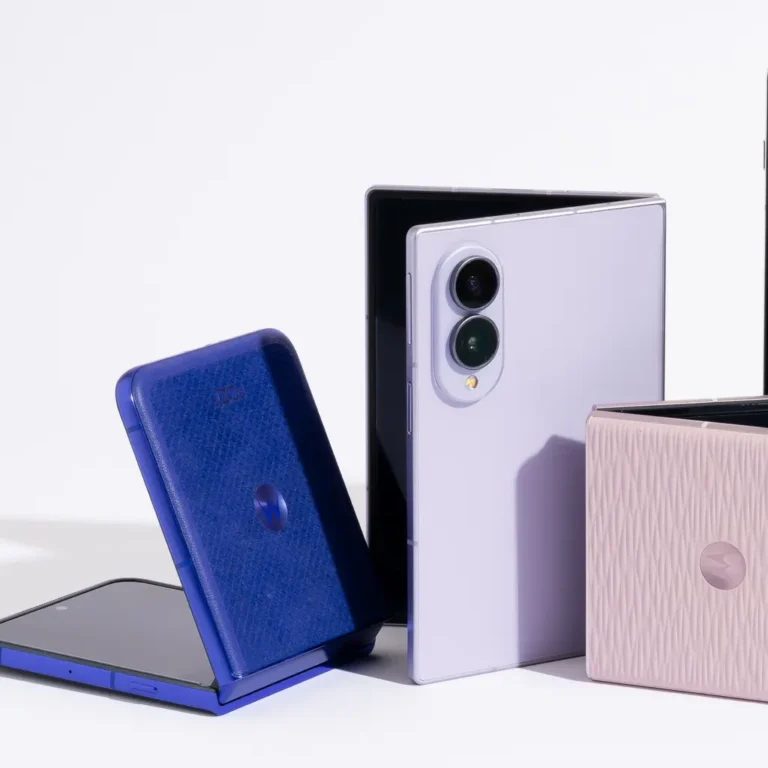
The Android ecosystem also offers greater variety. Consumers can choose from compact smartphones, large-screen devices, gaming phones, and foldable smartphones.
The iPhone also offers advanced OLED displays on its premium models. Apple’s focus is generally on color accuracy, brightness, smooth animations, energy efficiency, and consistent display quality.
However, Android has a significant advantage when it comes to experimentation. Foldable smartphones, curved displays, dual-screen concepts, and unusual form factors are more common in the Android ecosystem.
Therefore, Android is generally more flexible in display design, while iPhone focuses on consistency and integration.
Camera Technology
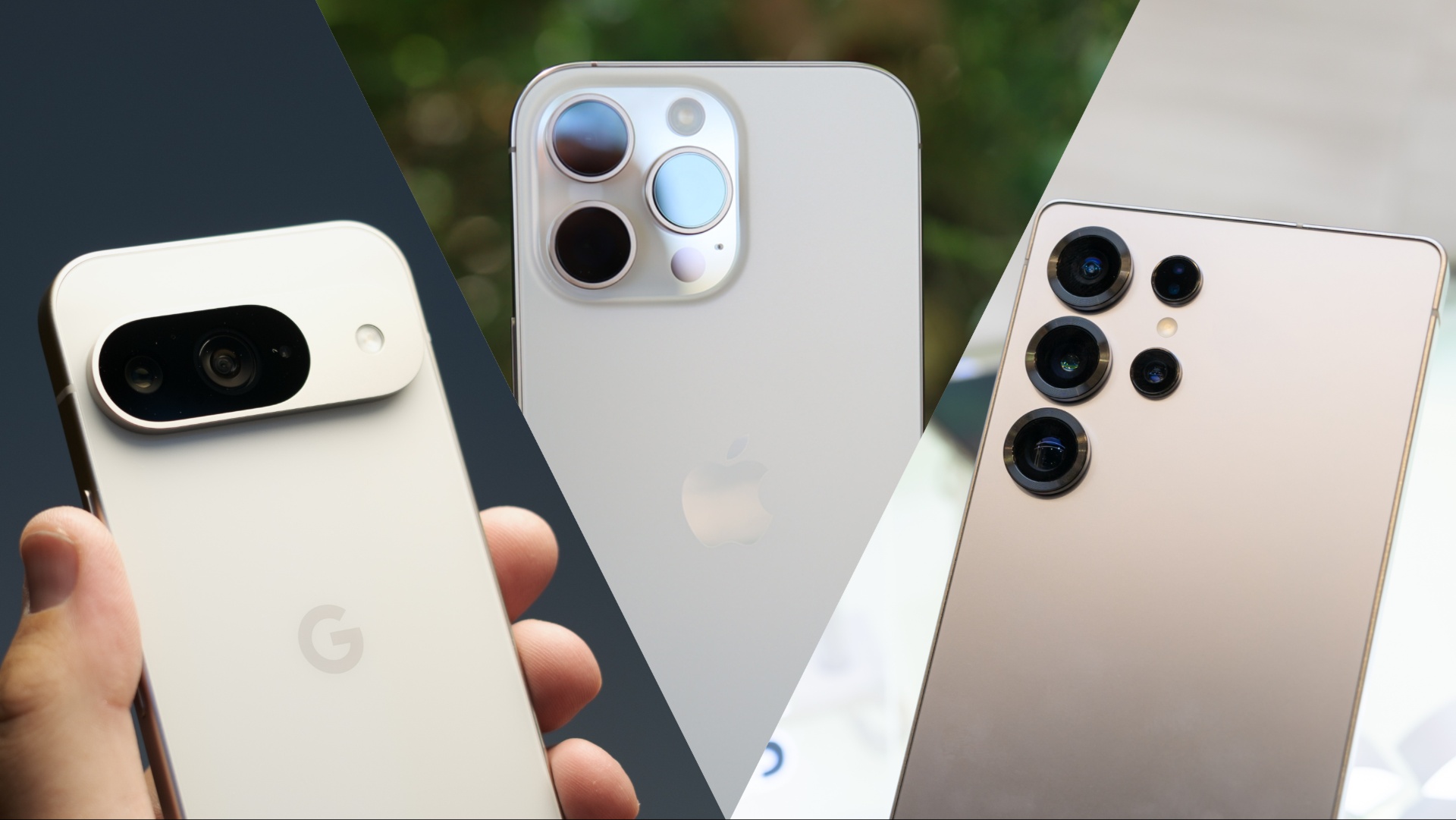
Smartphone cameras have become much more advanced in 2026, and the competition between Android and iPhone is extremely close.
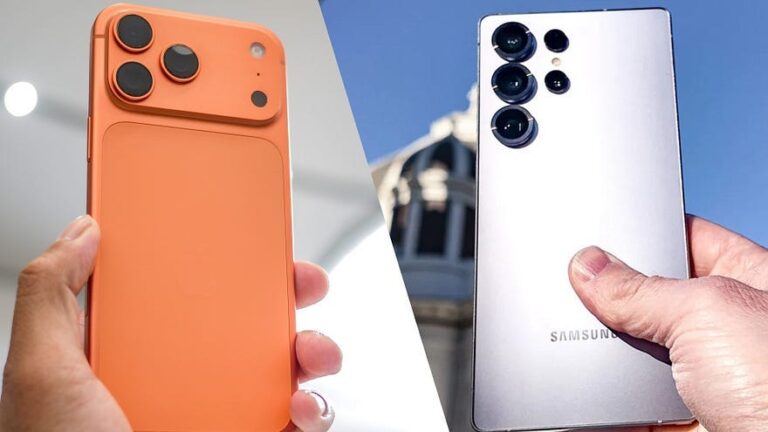
Android flagship phones often compete through camera hardware. Some devices feature large image sensors, powerful zoom systems, multiple lenses, and advanced computational photography.
Certain Android manufacturers also focus heavily on professional photography features. Users may have greater control over manual camera settings, image processing, and shooting modes.
The iPhone takes a slightly different approach. Apple places considerable emphasis on computational photography and video processing. The combination of camera hardware, image signal processing, AI, and software optimization allows the iPhone to produce consistent results.
Video recording remains one of the strongest areas for the iPhone. Content creators often value the combination of stabilization, color consistency, audio quality, and editing capabilities.
Android may provide more camera hardware variety, while iPhone offers a highly integrated photography and video experience.
Battery Life and Charging
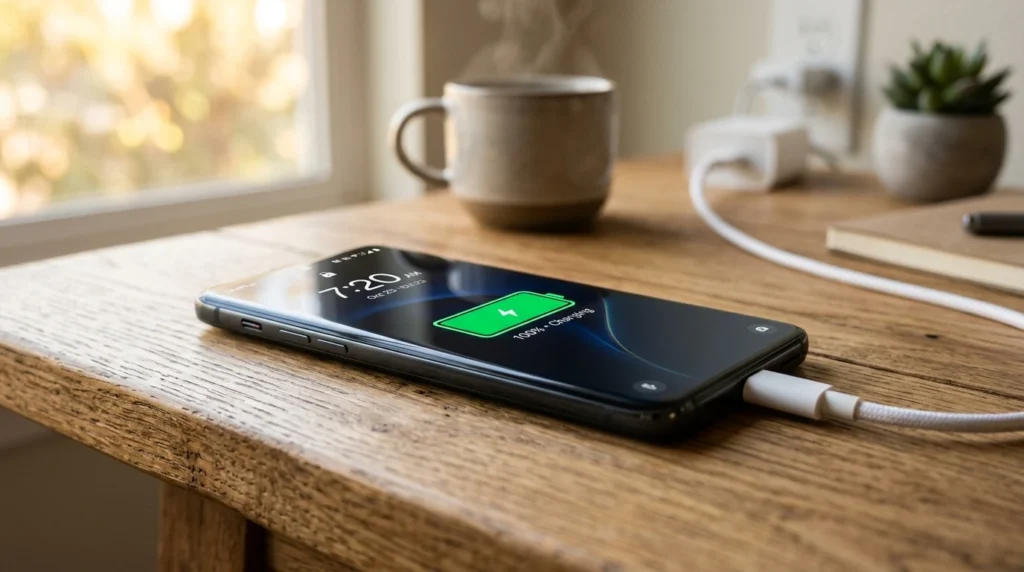
Battery technology is another important consideration when comparing Android vs iPhone in 2026.
Android manufacturers often compete by offering large battery capacities and fast charging technology. Some flagship Android smartphones can recharge significantly faster than traditional iPhones, making fast charging an important advantage for users who frequently need to recharge their devices.
Apple focuses heavily on efficiency. Instead of relying only on battery capacity, Apple combines processor efficiency, software optimization, display management, and power management to improve battery performance.
The result is that battery life cannot be judged simply by looking at battery capacity. An Android phone with a larger battery may not automatically provide longer real-world usage than an iPhone.
For charging speed, however, Android generally offers more aggressive technologies and a wider range of options.
Software and User Experience
Software is perhaps the biggest difference between Android and iPhone.
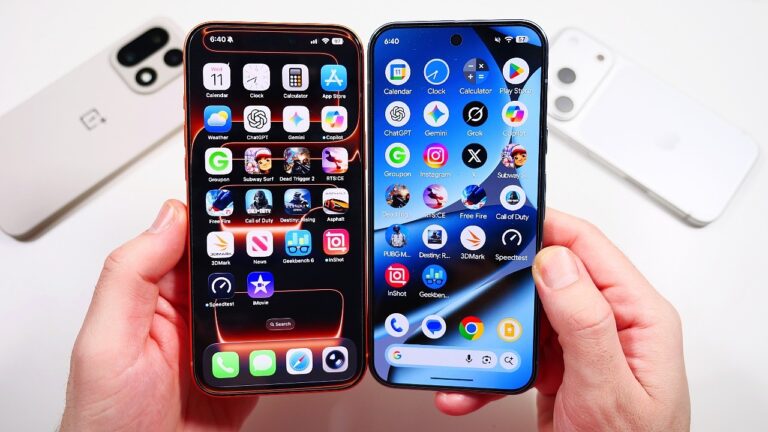
Android provides users with greater customization. Users can modify home screens, widgets, launchers, default applications, notification settings, and other parts of the interface.
This flexibility makes Android attractive to people who want greater control over their smartphones.
iOS takes a more controlled approach. Apple designs the operating system to provide a consistent experience across supported devices. The interface is relatively straightforward, and the company tightly controls applications, security, and system-level behavior.
This approach can make iPhones easier to manage for users who prefer simplicity and consistency.
Ecosystem Integration
Apple has a major advantage when discussing ecosystem integration.
An iPhone can work closely with products such as the Mac, iPad, Apple Watch, AirPods, and other Apple services. Features such as device synchronization, file sharing, messaging, and continuity can make switching between Apple devices extremely convenient.
Android also has a strong ecosystem, especially when combined with products from Google and manufacturers such as Samsung, Xiaomi, OPPO, vivo, and others.
However, the Android ecosystem is more fragmented because different manufacturers create different software experiences and hardware integrations.
Apple’s controlled ecosystem therefore remains one of the strongest reasons people choose the iPhone.
Security and Privacy
Security and privacy are increasingly important smartphone features in 2026.
Apple has built its reputation around strong control over hardware and software. The company maintains strict control over its operating system and application distribution, which can reduce certain security risks.
Android has also improved significantly in terms of security. Google and smartphone manufacturers regularly introduce security updates, privacy controls, permission management, and other protections.
However, Android’s open nature creates a more diverse environment. The level of software support and update speed can vary depending on the manufacturer and device.
For users who prioritize long-term software consistency, iPhone can have an advantage. Android flagship manufacturers, however, have increasingly improved their update policies.
Foldable Smartphones Give Android an Advantage
One of the clearest advantages Android has in 2026 is foldable technology.
Android manufacturers have spent several years developing foldable smartphones, creating devices that can transform from conventional phones into larger tablet-like screens.
Foldable smartphones offer a completely different approach to mobile computing. They can provide more screen space for multitasking, gaming, productivity, and entertainment while remaining relatively portable when folded.
Apple’s potential entry into the foldable smartphone market could change this competition significantly. Until then, Android remains the platform with the broader selection of foldable devices.
Price and Device Variety
Android has another major advantage: choice.
Consumers can find Android smartphones across a huge range of prices. Entry-level devices can provide basic smartphone functionality, while mid-range models offer strong performance, and flagship phones compete directly with premium iPhones.
Apple generally focuses on a narrower range of premium devices. Although older iPhone models can provide more affordable options, Android still offers considerably more hardware variety.
This makes Android attractive to consumers who want to choose a smartphone based on specific features and budget.
Android vs iPhone 2026: Which One Wins?
The answer depends on what users expect from their smartphones.
Android is arguably better for users who want customization, fast charging, foldable technology, hardware variety, advanced camera options, and more choices across different price categories.
iPhone is particularly attractive for users who prioritize software optimization, ecosystem integration, long-term consistency, video recording, privacy, and a simple user experience.
In terms of pure technological experimentation, Android has an advantage because manufacturers are willing to explore different form factors and features.
However, Apple’s strength lies in integration. The company can design hardware, processors, software, AI features, and services as part of one ecosystem.
Conclusion
The Android vs iPhone competition in 2026 is closer than ever. Both platforms offer powerful processors, advanced AI capabilities, high-quality displays, impressive cameras, strong security, and sophisticated software.
Android stands out because of its flexibility, customization, hardware diversity, foldable smartphones, and rapid experimentation. iPhone stands out through its optimized hardware and software integration, ecosystem, privacy approach, camera processing, and consistent user experience.
Ultimately, there is no universal winner. Android may be the better choice for technology enthusiasts who want maximum flexibility, while iPhone may be better for users who value simplicity, integration, and a tightly controlled ecosystem.
As artificial intelligence, foldable displays, battery technology, and advanced mobile processors continue to evolve, the competition between Android and iPhone is likely to become even more intense. For consumers, that competition is beneficial because it encourages both platforms to continue innovating and improving the smartphone experience.
About the Author