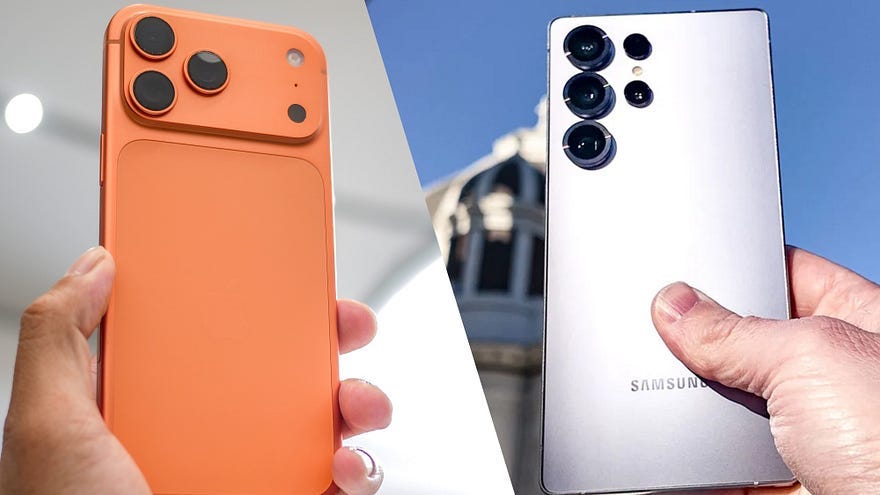
iPhone vs Android: Who Is Leading Smartphone Innovation in 2026?
The competition between iPhone and Android has shaped the smartphone industry for more than a decade. In 2026, that competition is entering another important stage as artificial intelligence, advanced processors, foldable displays, camera technology, and smart ecosystems become increasingly important.
Both platforms have made significant progress, but they approach innovation from different directions. Apple focuses heavily on the integration of hardware, software, AI, and services, while Android manufacturers often experiment with new hardware concepts, display technologies, charging systems, and form factors.
So, who is leading smartphone innovation in 2026? The answer depends on what type of innovation consumers value most.
Artificial Intelligence Is the New Smartphone Battlefield
Artificial intelligence has become one of the most important areas of smartphone development in 2026. Instead of being limited to standalone applications, AI is becoming integrated into operating systems and everyday smartphone functions.
Android manufacturers have invested heavily in AI-powered features. Modern Android smartphones can use AI for writing assistance, image editing, translation, voice interaction, search, productivity, and personalized recommendations.
Google’s influence is particularly important because Android is closely connected to Google’s artificial intelligence ecosystem. This allows Android devices to benefit from advanced AI technologies across applications and system functions.
Apple is taking a similarly ambitious approach with AI. Rather than treating artificial intelligence as an isolated feature, Apple is integrating AI capabilities throughout the iPhone experience. AI can assist with writing, notifications, image processing, information management, and other everyday tasks.
Apple also places significant emphasis on privacy and on-device processing. By performing certain AI operations directly on the smartphone, the company can potentially reduce the amount of sensitive information that needs to be sent to external servers.
In the AI race, Android has an advantage in terms of variety and experimentation, while Apple has an advantage in tightly integrating AI with its hardware and operating system.
Processor Innovation Continues to Drive Performance

Smartphone processors are another major indicator of technological innovation.
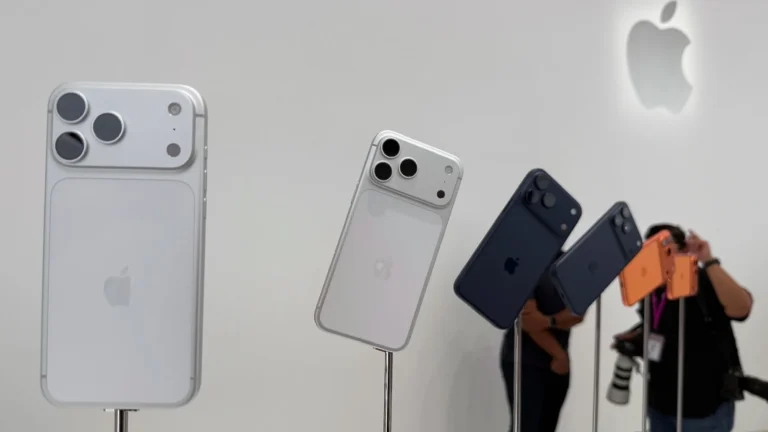
Apple’s custom-designed chips have traditionally been one of the strongest elements of the iPhone. Because Apple controls both the processor architecture and iOS software, it can optimize the entire system around its hardware.
This integration helps the iPhone deliver strong performance in applications such as gaming, video editing, photography, and AI processing.
Android has a more diverse processor ecosystem. Qualcomm Snapdragon and MediaTek Dimensity platforms power many flagship Android smartphones, while some manufacturers are also developing increasingly specialized chip solutions.
The advantage of Android is competition. Multiple manufacturers are constantly trying to improve CPU performance, GPU capabilities, AI processing, and power efficiency.
The result is a highly competitive market where Android manufacturers can quickly experiment with new technologies.
Display Innovation: Android Takes More Risks
Display technology is one area where Android manufacturers have traditionally been more willing to experiment.
Premium Android smartphones increasingly use advanced OLED and AMOLED panels with high refresh rates, impressive brightness, thin bezels, and sophisticated power management.
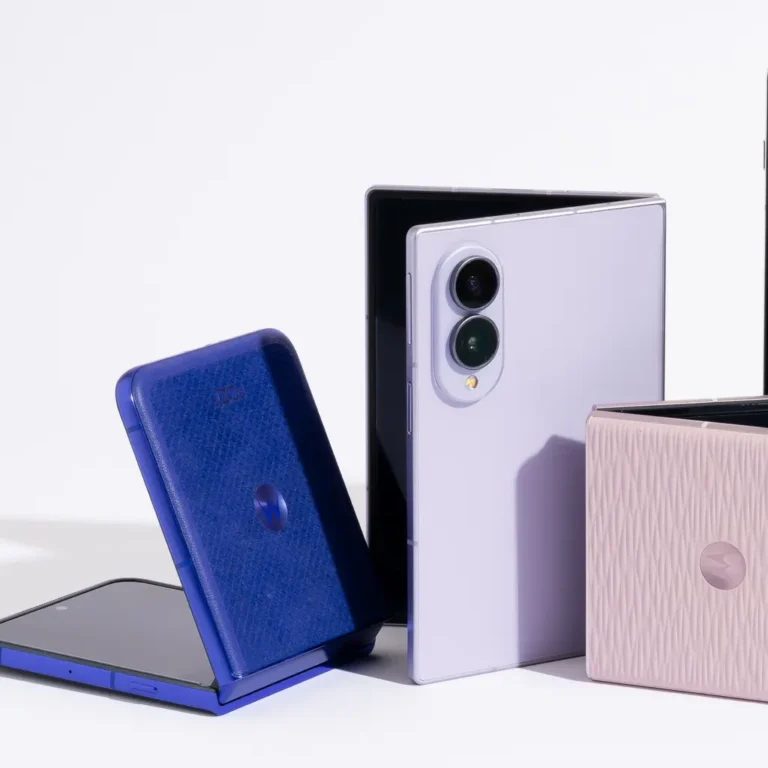
More importantly, Android manufacturers have pushed foldable technology into the mainstream. Foldable phones can transform from conventional smartphones into larger displays, providing additional space for multitasking, gaming, entertainment, and productivity.
Some Android manufacturers have developed book-style foldables, while others have focused on compact clamshell designs.
Apple has historically taken a more cautious approach to emerging display technologies. The company’s strategy is often to wait until a technology becomes mature enough to deliver a polished experience.
If Apple expands into foldable iPhone technology, it could significantly change the competitive landscape. Until then, Android remains ahead in terms of display experimentation and foldable device variety.
Camera Innovation Goes Beyond Megapixels
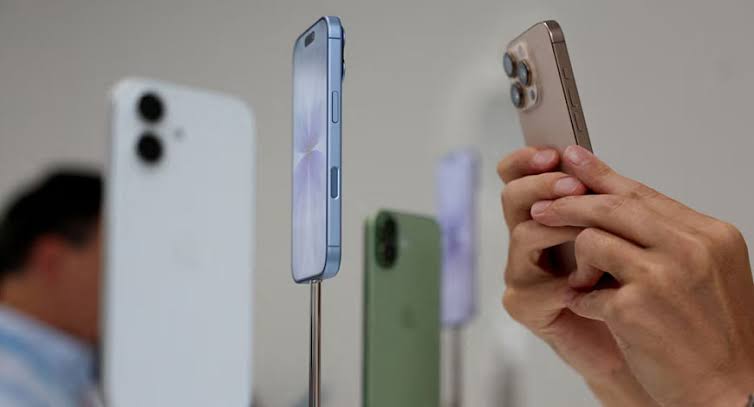
Smartphone camera innovation in 2026 is no longer simply about increasing megapixel counts.
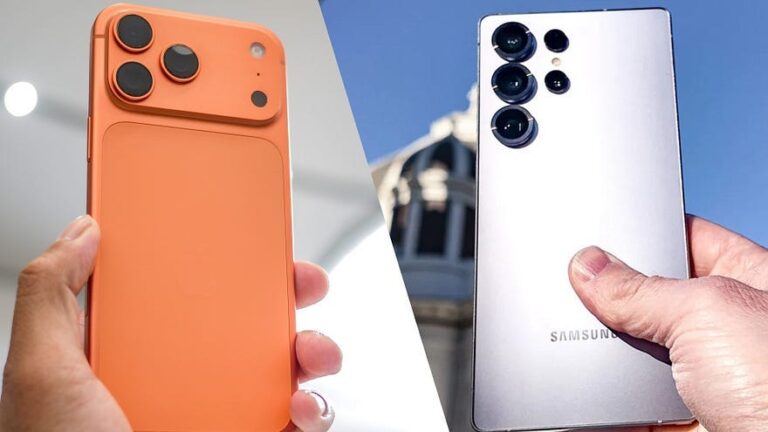
Android manufacturers have introduced sophisticated camera hardware featuring large sensors, powerful optical zoom, multiple lenses, and advanced image processing.
Some Android flagship smartphones are particularly strong in long-range photography and low-light imaging. Manufacturers are also using AI to identify subjects, improve details, remove unwanted objects, and optimize images automatically.
The iPhone takes a different approach. Apple’s camera strategy combines hardware with computational photography and sophisticated video processing.
This approach allows the iPhone to produce consistent results across different lighting conditions. Video recording is also an important strength, particularly for content creators who require stable footage, accurate colors, and reliable audio.
Therefore, Android may lead in camera hardware experimentation, while Apple remains highly competitive through software optimization and computational photography.
Battery and Charging Technology
Battery technology has become increasingly important as smartphones become more powerful.
Android manufacturers frequently compete by introducing larger batteries and significantly faster charging technologies. Fast charging can allow users to recover a substantial amount of battery capacity in a relatively short period.
Some Android devices also experiment with advanced battery materials and power-management systems.
Apple generally takes a different approach. Instead of focusing exclusively on battery capacity or charging speed, the company emphasizes processor efficiency, software optimization, and intelligent power management.
This means that battery performance should not be judged solely by the size of the battery.
Android currently has the advantage in charging speed and hardware variety, while Apple’s strength is the efficiency of its hardware and software integration.
Software Innovation and Customization
Software is another area where the two platforms have different philosophies.
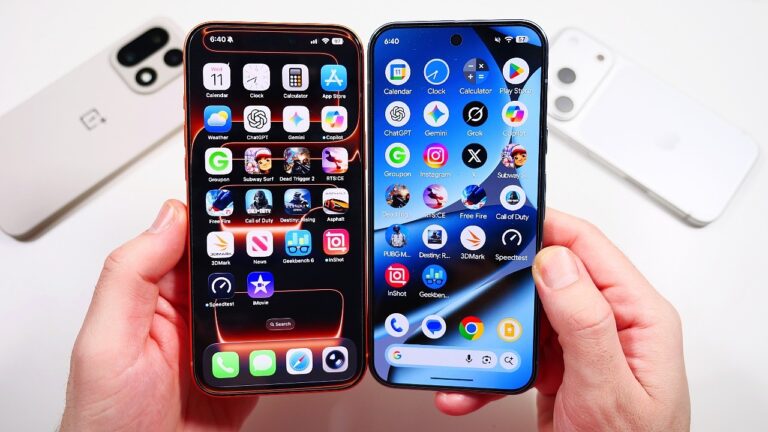
Android provides users with extensive customization options. Users can change launchers, widgets, default applications, notification behavior, home-screen layouts, and other elements.
This flexibility makes Android attractive to people who want greater control over their devices.
iOS takes a more controlled approach. Apple designs its operating system around consistency, simplicity, security, and integration with other Apple products.
For some users, this makes the iPhone easier to use and manage. For others, Android’s customization capabilities provide a more satisfying experience.
Neither approach is inherently better. They simply represent different ideas about how smartphones should work.
Ecosystem Integration Is Apple’s Strongest Weapon
Apple has a significant advantage when discussing ecosystem integration.
The iPhone can communicate closely with products such as Macs, iPads, Apple Watches, and AirPods. Files, messages, notifications, and other information can move between devices with relatively little effort.
This ecosystem creates a strong reason for existing Apple customers to remain within the platform.
Android also has an increasingly sophisticated ecosystem. Google’s services work across Android devices, while companies such as Samsung and other manufacturers have developed their own connected-device ecosystems.
However, the Android ecosystem is more fragmented because different manufacturers use different interfaces, services, and hardware strategies.
Apple’s centralized approach therefore remains one of its most powerful forms of innovation.
Security and Privacy
Security and privacy have become increasingly important as smartphones store more personal information.
Apple has built a strong reputation around privacy-focused features and strict control over its hardware and software ecosystem.
Android has also made major improvements in security. Google regularly introduces new privacy controls, permission systems, security updates, and protections against malicious applications.
The difference is that Android has a wider range of manufacturers and devices, meaning software support can vary depending on the brand and model.
For users looking for a highly controlled ecosystem and consistent software experience, iPhone can be particularly attractive.
Which Platform Is Leading Innovation in 2026?
The answer depends on how innovation is measured.
If innovation means new hardware designs, foldable smartphones, charging technology, customization, and experimentation, Android arguably has the advantage.
If innovation means hardware-software integration, AI optimization, processor efficiency, privacy, ecosystem connectivity, and a consistent user experience, Apple has a very strong position.
Android’s biggest strength is its diversity. Multiple manufacturers compete against one another, creating an environment where unusual ideas can quickly become commercial products.
Apple’s biggest strength is integration. The company controls a large portion of the technology stack and can design its products as a unified system.
The Future of Smartphone Innovation
The smartphone industry is moving toward a future where AI becomes increasingly important. Smartphones are expected to become more proactive, personalized, and capable of understanding context.
Foldable and flexible displays may also become more common, while cameras will increasingly rely on AI-powered image processing.
Battery efficiency will remain a major challenge because smartphones are expected to perform increasingly complex tasks without becoming significantly heavier.
In this environment, both Android and iPhone have opportunities to lead different aspects of innovation.
Android is likely to continue experimenting with new hardware concepts and form factors, while Apple may continue focusing on seamless integration between AI, hardware, software, and services.
Conclusion
The iPhone vs Android competition in 2026 does not have a single winner. Both platforms are leading different parts of smartphone innovation.
Android stands out for hardware diversity, foldable technology, customization, fast charging, and aggressive experimentation. iPhone stands out for processor optimization, ecosystem integration, software consistency, privacy, computational photography, and AI integration.
Ultimately, the real winner is the consumer. Competition between Apple and Android manufacturers forces both sides to continue improving their technology.
As artificial intelligence becomes more deeply integrated into smartphones and new technologies such as foldable displays continue to develop, the definition of smartphone innovation will continue to change. In 2026, Android may be the platform pushing hardware experimentation further, while iPhone remains one of the strongest examples of how hardware, software, AI, and ecosystem services can work together.
The next stage of the smartphone battle will therefore not simply be about which company produces the fastest phone. It will be about which platform can create the most useful, intelligent, efficient, and personalized experience for users.
About the Author