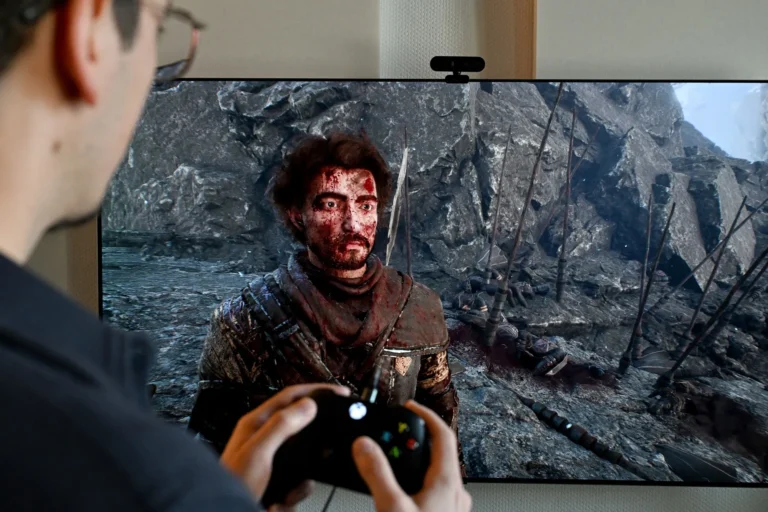
AI in Games 2026: Smarter Enemies or Just More Frustrating?
AI in Games 2026: Smarter Enemies or Just More Frustrating?

Artificial intelligence has always played a crucial role in video games, but in 2026, AI is no longer just background technology that makes enemies move or NPCs talk. It has evolved into one of the most important elements shaping how games feel, how challenges unfold, and how players emotionally experience virtual worlds.
But as AI grows smarter, a big debate has emerged among players: are these intelligent enemies making games more exciting — or just more stressful?
Let’s explore how AI in games has changed and whether “smarter” really means “better.”
From Scripted Bots to Adaptive Opponents
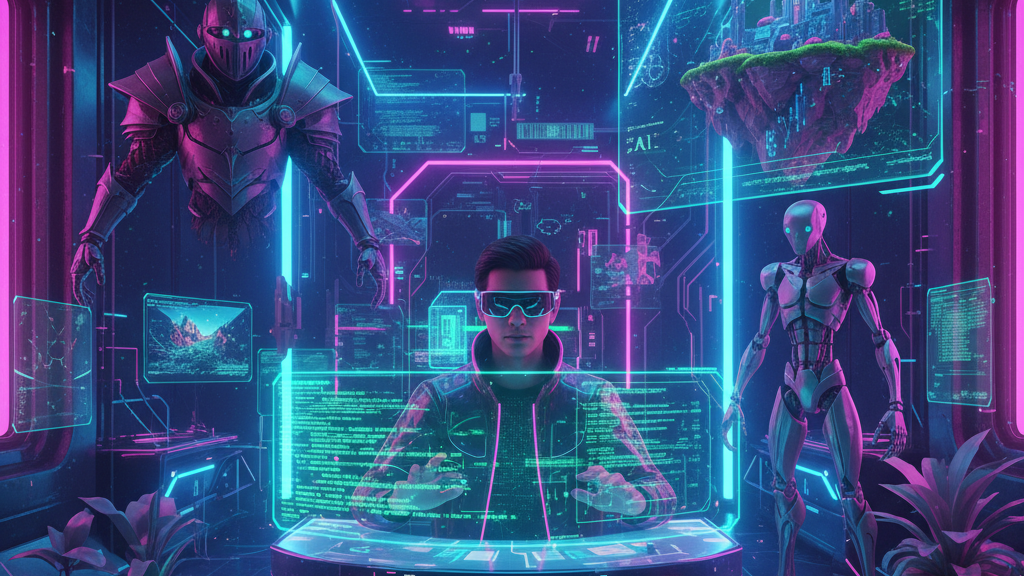
In older games, enemy behavior was mostly scripted. Once players learned patrol routes, attack timing, or hiding spots, encounters became predictable. Winning often meant memorizing patterns rather than reacting dynamically.
By 2026, many games have shifted toward adaptive AI systems. Enemies can now:
• Change tactics based on how you play
• Coordinate with each other during combat
• Use the environment strategically
• React to previous encounters with the player
If you rely heavily on stealth, enemies may start setting traps or checking hiding spots more carefully. If you prefer long-range combat, they might push aggressively or use smoke and cover to close the distance.
This creates encounters that feel less like puzzles to solve and more like battles against thinking opponents.
The Rise of AI That “Learns” You


One of the biggest changes in modern game AI is player behavior tracking. While not true human-like learning, these systems analyze patterns in your playstyle and adjust difficulty or tactics accordingly.
Sounds cool, right? It is — until it isn’t.
Players often enjoy discovering powerful strategies or mastering certain playstyles. But adaptive AI can reduce that sense of mastery. When enemies constantly counter your favorite tactics, it may feel like the game is punishing you for being skilled.
Instead of feeling clever, players can feel targeted.
The challenge for developers is making AI that adapts enough to stay interesting, but not so much that players feel like they can never gain the upper hand.
Smarter Doesn’t Always Mean Fairer

In theory, intelligent enemies should make gameplay more immersive. In practice, hyper-efficient AI can expose the limits of human reaction time.
AI does not panic. It does not hesitate. It does not get tired.
If allowed to operate at full efficiency, AI enemies could:
• Land near-perfect shots
• Coordinate flawlessly
• React instantly to player movement
But that wouldn’t be fun. It would be exhausting.
That’s why many 2026 games secretly limit their AI on purpose. Developers design enemies to make mistakes, delay reactions slightly, or miss shots under pressure. This is sometimes called “designed imperfection” — making AI feel human rather than robotic.
Ironically, the best AI often isn’t the smartest possible version, but the most believable and balanced one.
Friendly AI: Help or Hindrance?
AI improvements aren’t limited to enemies. Friendly NPC teammates have also become far more capable.
In 2026 games, AI companions can:
• Provide cover fire intelligently
• Heal or support the player at appropriate moments
• Call out enemy positions dynamically
• Adjust formation based on terrain and danger
This reduces frustration from older games where allies would block doorways or run into gunfire. However, a new issue arises: if AI teammates are too effective, players may feel less important.
When companions win fights on their own, it can reduce the player’s sense of agency. Developers now walk a fine line between supportive AI and spotlight-stealing AI.
Emotional AI: Adding Personality to Combat
Some modern games go beyond tactics and introduce emotional simulation into AI behavior. Enemies might panic when isolated, retreat when outnumbered, or fight more aggressively after losing a leader.
This adds narrative depth and realism. Battles feel less mechanical and more dramatic. However, emotional AI can also create unpredictable pacing. A small encounter can spiral into chaos if fleeing enemies bring reinforcements.
For some players, this unpredictability is thrilling. For others, it feels overwhelming and unfair.
Difficulty Modes Are Smarter Too
In 2026, difficulty settings often change more than just enemy health or damage. They can directly affect how AI thinks.
• On easier modes, enemies react slower and coordinate less
• On normal, AI behaves in a balanced, adaptive way
• On hard modes, enemies flank often, use advanced tactics, and adapt quickly
This makes difficulty feel more meaningful but also widens the gap between modes. Jumping from normal to hard can feel like playing a completely different game.
When Smart AI Becomes Mentally Exhausting
One unexpected side effect of advanced AI is mental fatigue. Constantly facing enemies that flank, adapt, and pressure the player can be thrilling in short sessions but draining over time.
Older games had downtime because enemies were predictable. Modern AI reduces those breathing spaces. Players must stay alert at all times, which can make long sessions feel intense rather than relaxing.
Game designers now carefully pace encounters to avoid overwhelming players with nonstop high-level AI pressure.
So, Is Smarter AI Actually Better?
The answer isn’t simple.
Smarter AI can:
✔ Make combat feel dynamic and realistic
✔ Increase replay value
✔ Create memorable, unscripted moments
But it can also:
✖ Make players feel constantly countered
✖ Remove the joy of mastering strategies
✖ Lead to stress instead of fun
In 2026, the real innovation isn’t just smarter enemies — it’s smarter design of that intelligence. Developers are learning that AI should challenge players, not dominate them.
Final Thoughts
AI in games has never been more advanced than it is in 2026. Enemies feel more alive, teammates are more capable, and worlds react more naturally to player behavior. Yet the ultimate goal of AI in gaming isn’t realism or dominance — it’s engagement.
The best game AI doesn’t try to prove it’s smarter than the player. It tries to create the illusion of intelligence while leaving room for players to feel skilled, creative, and victorious.
Because at the end of the day, games aren’t about losing to a machine. They’re about feeling like a hero in a world that pushes back just enough to make victory satisfying.
About the Author

Related posts:
- Will PlayStation 6 Lose to Xbox Next? The Console War of 2025
- 2025 Game Review: 15 New Releases with the Best Gameplay and Visuals of the Year
- Dragon Age: The Veilguard Review — BioWare’s Legendary Series Returns With a New Vibe
- Best Next-Gen Games of 2025: Unreal Engine 5 Visuals and Intelligent AI Systems