Haptic & VR Technology in 2026: Has Gaming Entered an Era of Extreme Immersion?
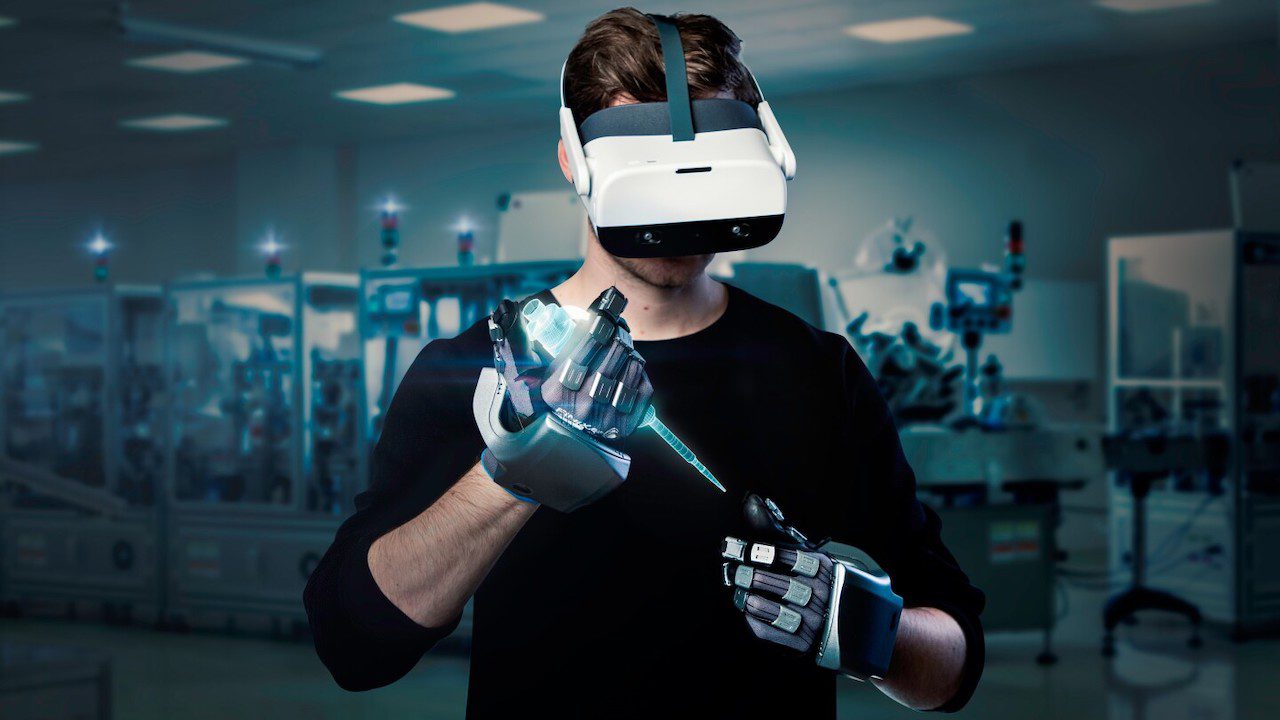
Haptic & VR Technology in 2026: Has Gaming Entered an Era of Extreme Immersion?

For decades, gaming has been driven by one ultimate goal: immersion. Developers have constantly searched for ways to make players feel less like observers and more like participants inside virtual worlds. Better graphics, realistic sound design, and advanced physics engines all played their part. But in 2026, immersion is no longer just about what you see and hear — it’s about what you feel.
With rapid advancements in virtual reality (VR) and haptic technology, gaming is pushing into territory that once felt like science fiction. The question now is clear: has gaming reached a level of extreme immersion, or is this only the beginning?
VR in 2026: More Comfortable, More Convincing


Early VR systems were impressive but flawed. Bulky headsets, limited tracking, and motion sickness prevented mass adoption. In 2026, many of these barriers have been significantly reduced.
Modern VR headsets are lighter, more ergonomic, and designed for longer play sessions. High-resolution displays and improved refresh rates reduce eye strain and motion blur, making virtual environments feel stable and believable. Inside-out tracking has become the standard, eliminating the need for external sensors and making setup far more accessible.
One of the biggest breakthroughs is eye tracking. VR systems now adjust rendering quality based on where the player is looking, creating sharper visuals without sacrificing performance. This also allows more natural interactions, such as selecting menu options with gaze or making realistic eye contact with NPCs.
All of these improvements contribute to a stronger sense of presence — the feeling that you are truly inside the game world.
Haptic Technology: Bringing Touch Into Gaming

While VR handles vision and spatial awareness, haptic technology completes the immersion by engaging the sense of touch. In 2026, haptics have evolved far beyond simple controller vibrations.
Advanced haptic systems now include:
• Haptic gloves that simulate texture, pressure, and resistance
• Wearable vests that provide directional impact feedback
• Adaptive triggers and buttons that change tension dynamically
• Foot and body feedback devices that simulate terrain and movement
When you fire a weapon, you don’t just hear the shot — you feel the recoil. When you pull a virtual lever, your fingers experience resistance. These sensations may be subtle, but they dramatically increase realism by convincing the brain that digital interactions have physical weight.
Rather than overwhelming players, modern haptics focus on precision. The goal is not to replicate pain or discomfort, but to reinforce immersion through believable physical cues.
Full-Body Tracking and Embodiment

Another major leap in 2026 is full-body tracking. With additional sensors on the torso, legs, and arms, players can move naturally in VR environments. Crouching, leaning, and reaching are mirrored accurately by the in-game avatar.
When combined with haptic wearables, this creates a powerful illusion of embodiment — the feeling that your virtual body truly belongs to you. Actions feel intuitive because they match real-world movement.
Although full-body setups are still mostly used by enthusiasts due to cost and space requirements, they represent the direction immersive gaming is heading.
Multi-Sensory Immersion: Sound, Sight, and Touch Together
True immersion doesn’t come from a single technology. It comes from the combination of multiple senses working together.
In 2026, VR games integrate spatial audio, detailed visuals, and haptic feedback into a unified experience. Directional sound helps players locate threats or points of interest. Haptics reinforce those audio cues with physical sensation. Visual feedback ties everything together.
For example, in a VR action game, you might hear footsteps behind you, feel a vibration on your back, and see movement in your peripheral vision. This layered sensory input creates strong emotional reactions — tension, excitement, even fear — that traditional gaming struggles to match.
The Challenges of Extreme Immersion
Despite its potential, extreme immersion also introduces new challenges.
Physical fatigue is a real concern. VR sessions often require standing, moving, and gesturing, which can be tiring compared to traditional controller-based gaming. Developers must carefully design experiences that balance intensity with comfort.
Space limitations are another barrier. Not every player has room for full-motion VR setups or additional haptic equipment. Accessibility remains a key issue.
There’s also the psychological aspect. Highly immersive horror or survival games can feel overwhelming. What might be a mild scare on a flat screen can become genuinely intense in VR. As a result, many games now include comfort settings, adjustable intensity levels, and optional immersion features.
Social VR and Shared Presence
Haptic and VR technology are also reshaping multiplayer experiences. Social VR spaces in 2026 allow players to interact using natural gestures, body language, and even simulated touch.
Hand tracking makes communication feel more personal. A simple wave, nod, or handshake adds a sense of presence that voice chat alone cannot provide. These shared spaces are increasingly used not just for gaming, but for social events, meetings, and creative collaboration.
While not a replacement for real-world interaction, social VR feels more human than traditional online multiplayer.
Has Gaming Reached Extreme Immersion?
In many ways, yes. The combination of advanced VR visuals, precise tracking, and sophisticated haptic feedback allows games to engage the body as well as the mind. Players are no longer just controlling characters — they are inhabiting them.
However, this is not the final stage. Technologies like temperature simulation, scent feedback, and more advanced motion systems are still in development. Immersion will continue to evolve.
Final Verdict
In 2026, haptic and VR technologies have pushed gaming into a new immersive frontier. Players can see, hear, move, and feel inside virtual worlds with a level of realism that was unimaginable just a decade ago.
Gaming may not have fully merged with reality yet, but it has undeniably crossed into extreme immersion territory. The challenge now is not just technological advancement, but thoughtful design — ensuring that immersion enhances enjoyment rather than overwhelming it.
If the goal of gaming is to make players forget the real world for a while, then in 2026, VR and haptics are closer than ever to achieving it.
About the Author