Microtransactions in Games 2026: Getting Worse or Becoming More Player-Friendly?
Microtransactions have been a controversial topic in the gaming industry for more than a decade. From cosmetic skins and battle passes to loot boxes and pay-to-win mechanics, players have seen many forms of in-game monetization—some acceptable, others deeply frustrating. As we move into 2026, the question becomes increasingly relevant: are microtransactions getting worse, or are developers finally learning how to make them fair and player-friendly?
The answer, as with most industry trends, is not black and white. Microtransactions in 2026 are evolving—sometimes in positive ways, sometimes repeating old mistakes.
The Evolution of Microtransactions


Originally, microtransactions were introduced as optional purchases, mostly for cosmetic items that didn’t affect gameplay. However, as live-service games grew more popular, monetization strategies became more aggressive. By the early 2020s, players were overwhelmed by premium currencies, randomized loot boxes, and systems designed to encourage spending through psychological pressure.
In response, player backlash, regulatory scrutiny, and changing market expectations have forced developers to rethink their approach. In 2026, microtransactions are no longer just about maximizing revenue at all costs—they are increasingly tied to player retention, long-term trust, and brand reputation.
What’s Getting Better in 2026?

1. Less Pay-to-Win, More Transparency
One of the biggest improvements in 2026 is the decline of blatant pay-to-win mechanics, especially in competitive and multiplayer games. While not completely gone, many major studios now avoid selling direct gameplay advantages, knowing that such systems damage competitive integrity and community trust.
In addition, transparency has improved. Drop rates for randomized rewards are more clearly displayed, and some regions enforce regulations that require developers to disclose odds. This shift has made monetization feel less manipulative and more honest.
2. Cosmetics as the Main Focus
Cosmetic-only microtransactions dominate the market in 2026. Skins, emotes, weapon effects, animations, and visual upgrades are now the primary revenue drivers. Players are generally more accepting of these purchases because they don’t impact gameplay balance.
Games also offer higher-quality cosmetics than ever before, often supported by advanced shaders, ray tracing, and animation systems. As a result, players feel they are paying for real artistic value rather than artificial limitations.
3. Fairer Battle Pass Systems
Battle passes have matured significantly. In 2026, many games design battle passes that:
• Can be completed without excessive grinding
• Allow players to earn enough premium currency to buy the next pass
• Offer meaningful rewards at every tier
This evolution has turned battle passes into a more consumer-friendly model, rewarding consistent play rather than aggressive spending.
What’s Still a Problem?
1. Monetization Fatigue
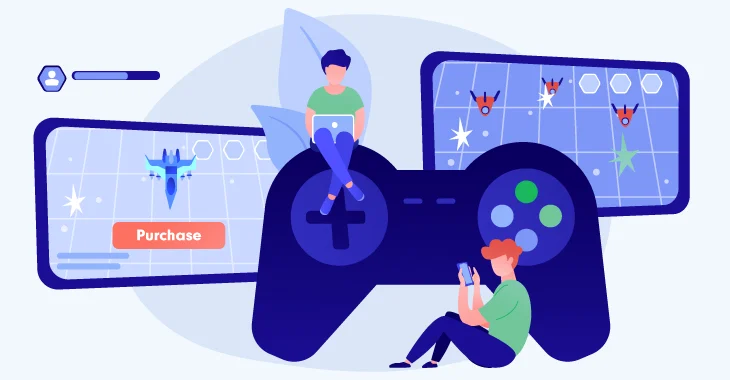
Despite improvements, players are experiencing monetization fatigue. Too many games still launch with multiple layers of purchases—battle passes, premium shops, limited-time bundles, and seasonal events—all competing for attention and money.
In 2026, even premium-priced games sometimes include aggressive microtransactions, causing players to question the value of the initial purchase.
2. Psychological Design Still Exists
While loot boxes may be less visible, psychological design hasn’t disappeared. Fear of missing out (FOMO), rotating stores, time-limited offers, and artificial scarcity are still widely used. These tactics can pressure players into spending impulsively, especially in live-service and mobile-style games.
For some players, this creates stress rather than enjoyment, making games feel more like storefronts than entertainment.
3. Impact on Game Design
Another concern is how microtransactions influence core game design. In some cases, progression systems are intentionally slowed to encourage spending on boosters or shortcuts. Even when subtle, this practice can undermine player satisfaction and immersion.
In 2026, players are more aware of these design choices—and less forgiving when they feel manipulated.
Single-Player Games and Microtransactions
Interestingly, single-player games in 2026 tend to handle microtransactions more responsibly. Many developers limit them to optional cosmetic packs or story expansions. Some studios have even used microtransactions as a way to fund post-launch content without fragmenting the player base.
However, when microtransactions appear in narrative-driven games, they are still heavily scrutinized, as players expect a complete experience without ongoing monetization pressure.
The Role of Player Choice
One of the biggest shifts in 2026 is the emphasis on player choice. Games that allow players to:
• Earn premium items through gameplay
• Choose between grinding or paying
• Disable certain monetization features
are generally received more positively. Developers are slowly realizing that long-term engagement is more profitable than short-term spending spikes.
Conclusion: Worse or Better?
So, are microtransactions in 2026 getting worse or more player-friendly?
The honest answer is: both.
On one hand, transparency, cosmetic-focused purchases, and fairer systems show clear improvement. On the other hand, monetization fatigue, psychological tactics, and over-monetized premium games remain real issues.
Ultimately, the difference in 2026 is that players are more informed, more vocal, and more selective. Games that abuse microtransactions risk losing their audience entirely, while those that respect player time and money are rewarded with loyalty and long-term success.
Microtransactions are not going away—but how they are implemented will define which games thrive and which ones are left behind.
About the Author