Cross-Platform Gaming 2026: The End of the Console Wars?
Cross-Platform Gaming 2026: The End of the Console Wars?

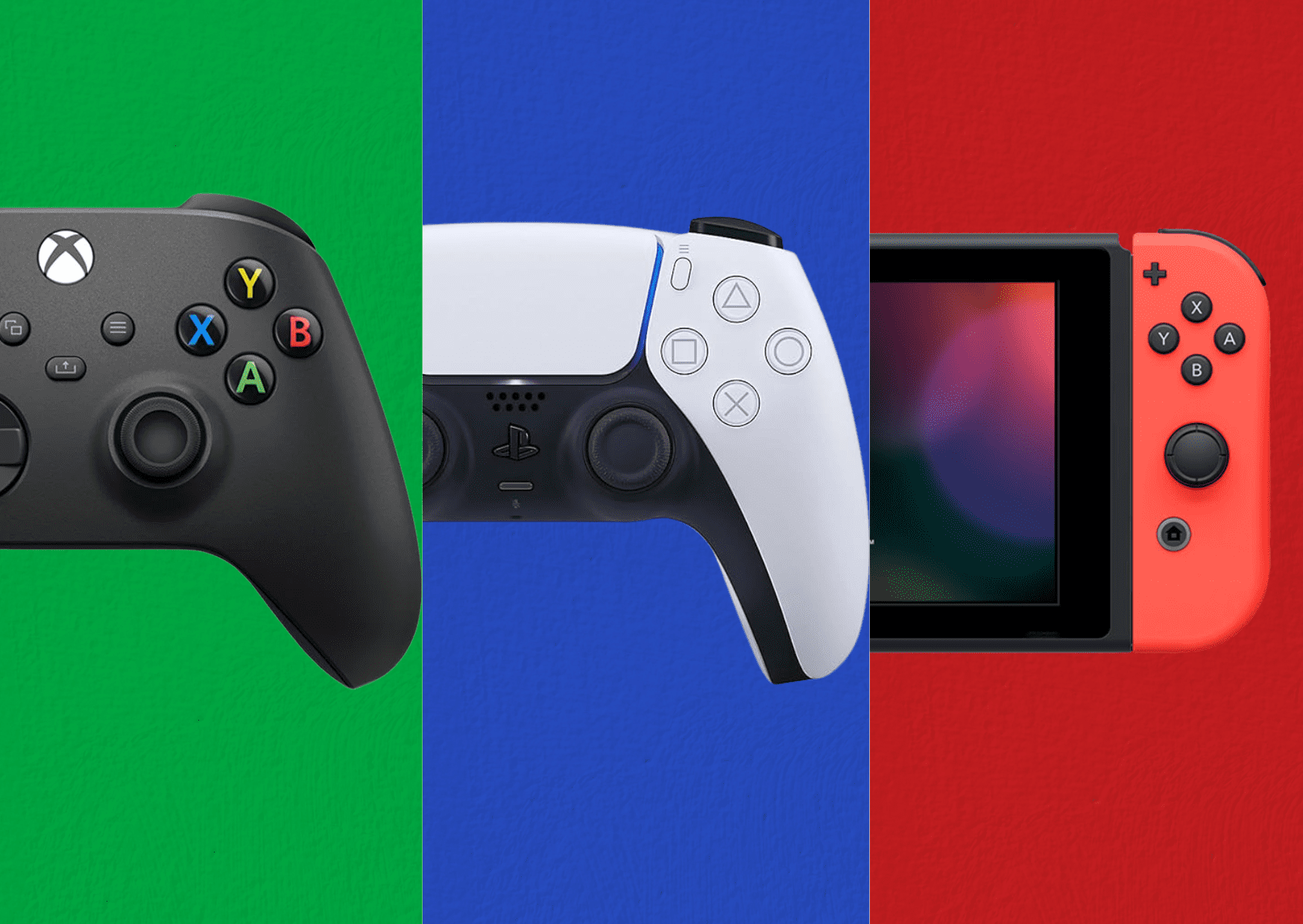
For decades, the gaming industry has been defined by fierce competition between console manufacturers. The so-called “console wars” — primarily among PlayStation, Xbox, and Nintendo — shaped marketing strategies, exclusive titles, and even gamer identities. Players often chose sides, investing in one ecosystem and defending it passionately. However, in 2026, the landscape looks dramatically different. With cross-platform gaming becoming increasingly common, many are asking: Is this the end of the console wars?
The Rise of Cross-Platform Play


Cross-platform gaming, also known as cross-play, allows players on different hardware platforms — consoles, PCs, and even mobile devices — to play together in the same online matches. While the concept existed in limited forms years ago, technical barriers, corporate rivalries, and business strategies once prevented widespread adoption.
By 2026, cross-play is no longer a novelty. It is becoming the industry standard. Major multiplayer titles routinely launch with full cross-platform functionality, allowing seamless interaction between PlayStation, Xbox, PC, and sometimes cloud-based platforms. Gamers no longer need to ask, “What console are you on?” before joining a match. The platform matters less than ever; the shared experience matters more.
This shift did not happen overnight. It was driven by player demand, technological advancements, and the growing influence of live-service games. Developers realized that keeping communities unified increases player retention, strengthens matchmaking systems, and extends a game’s lifespan.
The Business Shift: Ecosystems Over Hardware

One major factor weakening the traditional console war narrative is the evolution of business models. In the past, console manufacturers relied heavily on exclusive titles to sell hardware. Owning a particular console meant access to certain games and experiences that competitors did not offer.
In 2026, however, companies are focusing more on ecosystems and services than hardware exclusivity alone. Subscription platforms, digital marketplaces, cloud gaming services, and cross-device accounts are central to their strategies. Instead of fighting solely to sell consoles, companies are competing for active users within their digital ecosystems.
For example, players can now start a game on a console, continue on a PC, and even log in through cloud streaming on a mobile device — all while maintaining the same progress and friends list. The value proposition is no longer about a single machine under the television. It’s about accessibility, convenience, and continuity.
This shift reduces the intensity of console rivalry. When a game can be played across platforms and progress carries over, brand loyalty becomes more flexible.
Technology Making It Possible

Technological advancements in 2026 have played a crucial role in enabling cross-platform gaming. Unified game engines, standardized online infrastructure, and improved server architecture have simplified cross-play integration. Developers can now design multiplayer systems that are inherently platform-agnostic.
Cloud gaming also contributes to this transformation. With powerful remote servers handling processing tasks, hardware differences between platforms become less significant. Players using different devices can enjoy similar performance levels, reducing competitive imbalances.
Cross-progression systems further enhance the experience. Gamers are no longer locked into one device for their saved data or purchased content. Digital identities travel with the player, not the console.
Are Console Exclusives Still Relevant?
Despite the rise of cross-platform gaming, console exclusives have not disappeared entirely. Story-driven single-player games and flagship franchises remain powerful tools for brand differentiation. Exclusive titles still generate buzz, drive sales, and create unique identities for platforms.
However, the role of exclusives is evolving. In some cases, exclusivity is temporary rather than permanent. A game might launch on one platform first, then expand to others later. Additionally, some companies are bringing former exclusives to PC or cloud services, broadening their reach.
The exclusivity strategy is becoming less about locking players out and more about timed advantages or enhanced features. This reflects a more cooperative — or at least less combative — competitive environment.
Community Over Competition
One of the most significant impacts of cross-platform gaming is the strengthening of global gaming communities. Multiplayer games thrive on active player bases. When communities are fragmented by hardware restrictions, matchmaking pools shrink, and social connections become limited.
By allowing players to connect regardless of platform, developers ensure healthier communities. Friends can play together without worrying about owning the same console. Esports tournaments become more inclusive. Content creators reach wider audiences.
This player-first approach signals a broader cultural shift. Instead of emphasizing hardware rivalry, the industry is prioritizing inclusivity and shared experiences.
Challenges That Remain
While cross-platform gaming is growing, it is not without challenges. Competitive balance can be an issue, particularly when mixing console players with PC users who may have advantages in input devices or performance settings. Developers must implement fair matchmaking systems and optional cross-play toggles to maintain fairness.
Security and moderation are also concerns. Unifying multiple platforms requires synchronized anti-cheat systems and consistent community standards. Managing these elements across different ecosystems demands collaboration between companies that once viewed each other primarily as rivals.
Furthermore, not all games support full cross-platform functionality. Some publishers still choose selective compatibility based on business agreements or technical limitations.
The New “War”: Services, Not Consoles
If the traditional console wars are fading, what replaces them? In 2026, the competition has shifted toward services, subscriptions, and digital experiences. Companies compete over game libraries, subscription value, streaming quality, and exclusive content partnerships.
Instead of arguing over which console is more powerful, players debate which subscription service offers the best selection or which ecosystem provides the most flexibility. The battlefield has moved from hardware specifications to user experience and long-term value.
Conclusion: A New Era of Unity
So, is cross-platform gaming in 2026 the end of the console wars? Not entirely — competition still exists, and brand identities remain strong. However, the nature of that competition has fundamentally changed.
The rigid boundaries that once divided players are dissolving. Cross-play, cross-progression, and cloud integration are fostering a more unified gaming environment. Hardware still matters, but it is no longer the primary barrier between communities.
In many ways, 2026 marks the beginning of a more inclusive era. The focus has shifted from choosing sides to choosing how and where to play. And perhaps that is the biggest victory of all — not for any one console, but for gamers everywhere.
About the Author

Related posts:
- Cutting-Edge Gaming Technology and Hardware in 2025: Elevating the Ultimate Gaming Experience
- The Best Devices for Gaming: Choosing the Right Computer or Laptop
- The Most Comfortable Gaming Hardware of 2025 — Is It Worth the Upgrade?
- Multiplayer Game Trends in 2026: Is Battle Royale Still King or Has the Meta Shifted?