AI Technology in Games 2026: Are NPCs Finally Capable of Real Thinking?

For decades, non-playable characters (NPCs) have been a core part of video games. They populate worlds, deliver quests, and make environments feel alive. However, despite improvements in graphics and storytelling, NPC behavior has often remained predictable and limited—following scripted paths and repeating the same dialogue.
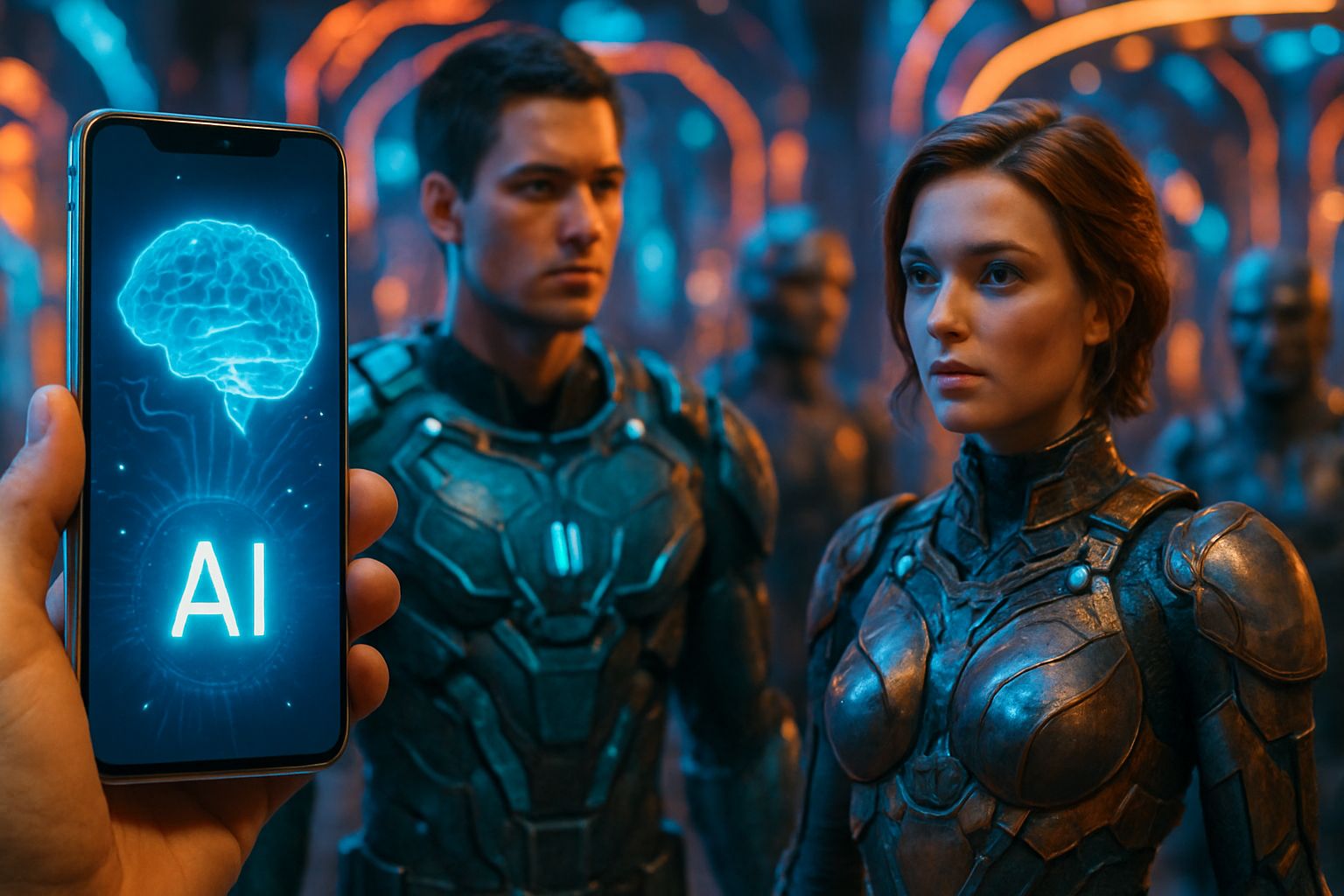
In 2026, that is starting to change. Thanks to rapid advancements in artificial intelligence, developers are now experimenting with NPCs that can adapt, respond, and even “think” in ways that feel remarkably human. But how close are we to truly intelligent NPCs? Are they actually thinking—or just simulating intelligence more convincingly than ever before?
The Evolution of NPC Intelligence

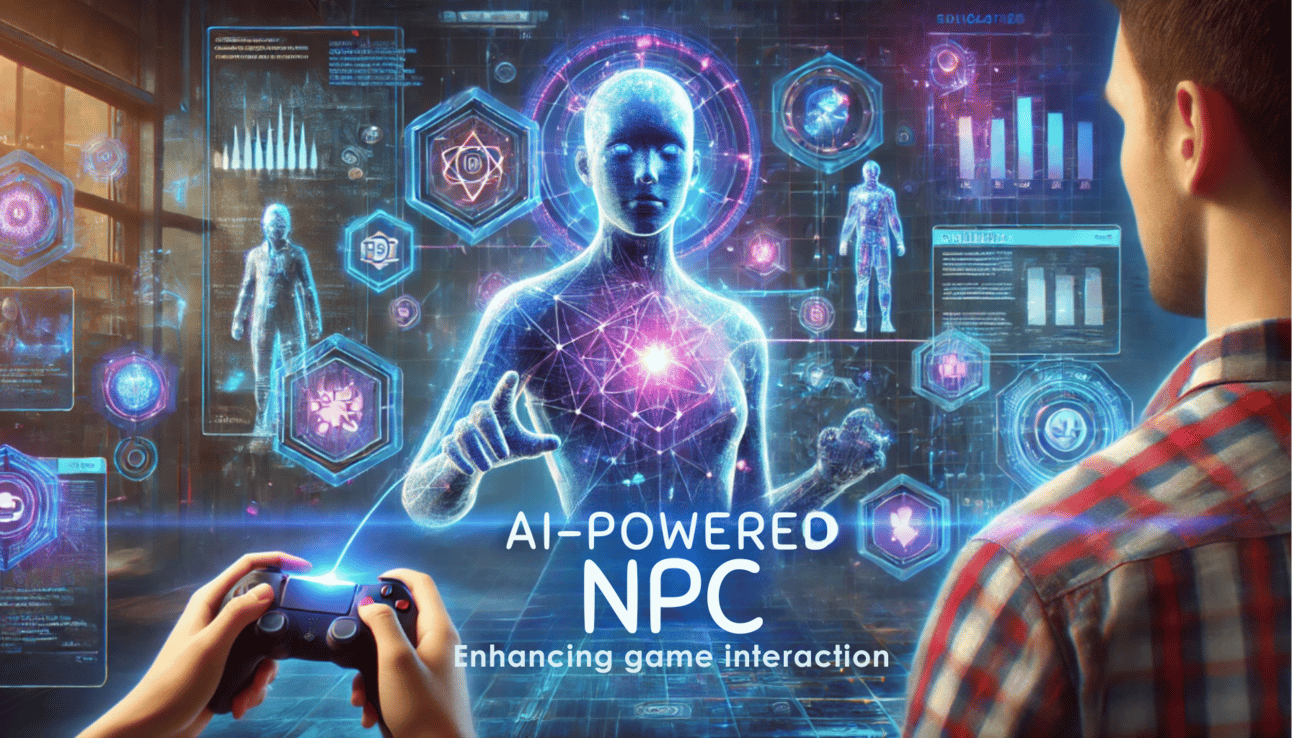
Traditionally, NPCs have relied on relatively simple systems:
• Scripted behaviors (pre-programmed actions)
• Finite state machines (if-this-then-that logic)
• Basic pathfinding algorithms
While these systems worked well for structured gameplay, they lacked flexibility. NPCs could not react meaningfully to unexpected player actions, leading to immersion-breaking moments.
Over time, developers introduced more advanced techniques:
• Behavior trees for more complex decision-making
• Procedural dialogue systems
• Dynamic AI for enemies (e.g., adaptive combat strategies)
Still, these improvements were limited. NPCs could appear smarter, but they didn’t truly understand the player or the game world.
The AI Breakthrough of the 2020s

The real turning point came with the rise of machine learning and generative AI.
By the mid-2020s, developers began integrating AI models capable of:
• Natural language processing (real conversations)
• Contextual memory (remembering player actions)
• Adaptive decision-making (changing behavior over time)
This allowed NPCs to move beyond scripts and into something more dynamic.
In 2026, some experimental games feature NPCs that can:
• Hold unscripted conversations with players
• React emotionally based on past interactions
• Create unique responses instead of repeating dialogue
This creates a level of immersion that was previously unimaginable.
Do NPCs Actually “Think”?
This is where things get complicated.
While modern NPCs may feel intelligent, they are not truly conscious or self-aware. Instead, they rely on:
• Pattern recognition
• Data-driven responses
• Probabilistic decision-making
In simple terms, they simulate thinking rather than actually thinking.
However, from a player’s perspective, the difference is becoming harder to notice.
If an NPC can:
• Remember your choices
• Respond logically and emotionally
• Adapt to new situations
…then it feels like thinking, even if it’s technically not.
Real-Time Conversations: A Game Changer
One of the most exciting developments in 2026 is the rise of real-time AI-driven dialogue.
Instead of choosing from pre-written dialogue options, players can:
• Type or speak freely
• Ask unexpected questions
• Influence conversations dynamically
NPCs, powered by AI, can respond in natural language, making interactions feel more like talking to a real person.
This has huge implications for:
• Role-playing games (RPGs)
• Open-world exploration
• Narrative-driven experiences
For the first time, players are no longer limited by dialogue trees.
Smarter Worlds, Not Just Smarter Characters
AI in 2026 is not just improving individual NPCs—it’s transforming entire game worlds.
Modern systems allow:
• NPCs to interact with each other autonomously
• Dynamic ecosystems where actions have ripple effects
• Emergent storytelling driven by AI behavior
For example:
• A shopkeeper might change prices based on supply and demand
• A faction could evolve based on player decisions
• Characters might form relationships independent of the player
This creates a living, breathing world that evolves over time.
The Challenges of AI-Driven NPCs
Despite the exciting progress, there are still significant challenges.
1. Performance and Cost
Advanced AI systems require substantial computing power. Running real-time AI for dozens (or hundreds) of NPCs can be expensive and technically demanding.
2. Consistency and Control
AI-generated behavior can sometimes be unpredictable. Developers must balance freedom with control to ensure:
• Narrative coherence
• Appropriate character behavior
• Avoidance of bugs or immersion-breaking moments
3. Ethical Concerns
As NPCs become more human-like, ethical questions arise:
• Should NPCs simulate emotions like fear or pain?
• How realistic is too realistic?
• Could players form unhealthy attachments to AI characters?
These concerns are becoming increasingly relevant as technology advances.
The Impact on Game Design
AI-driven NPCs are fundamentally changing how games are designed.
Developers are shifting from:
• Scripted storytelling
to
• Emergent storytelling systems
Instead of writing every possible interaction, developers create frameworks where stories emerge naturally from player actions and AI behavior.
This leads to:
• Unique experiences for every player
• Higher replayability
• Less predictable gameplay
However, it also means developers must rethink traditional design approaches.
Are We Entering the Era of “Living Games”?
With all these advancements, 2026 may mark the beginning of what some call “living games.”
In these games:
• NPCs evolve over time
• Worlds change dynamically
• Stories are not fixed but continuously generated
This represents a major shift from static content to ongoing, adaptive experiences.
The Future of AI in Gaming
Looking ahead, the potential of AI in gaming is enormous.
We may soon see:
• NPCs with long-term memory across multiple play sessions
• Fully AI-generated quests and storylines
• Personalized game worlds tailored to each player
• Voice-driven interactions as the standard
As AI continues to improve, the line between scripted characters and “intelligent” entities will blur even further.
Conclusion
So, are NPCs in 2026 truly capable of thinking?
Not in the human sense—but they’re closer than ever to feeling like they do.
Through advances in AI, NPCs are becoming more dynamic, responsive, and believable. They can hold conversations, adapt to player behavior, and create experiences that feel alive.
While true artificial consciousness remains a distant goal, the current trajectory suggests that the future of gaming will be defined not just by graphics or scale—but by intelligence and interaction.
And as that future unfolds, one thing is certain:
NPCs will no longer just be background characters—they will become active participants in the player’s story.
About the Author