Open World Games in 2026: Bigger, More Alive, But Are They More Fun?
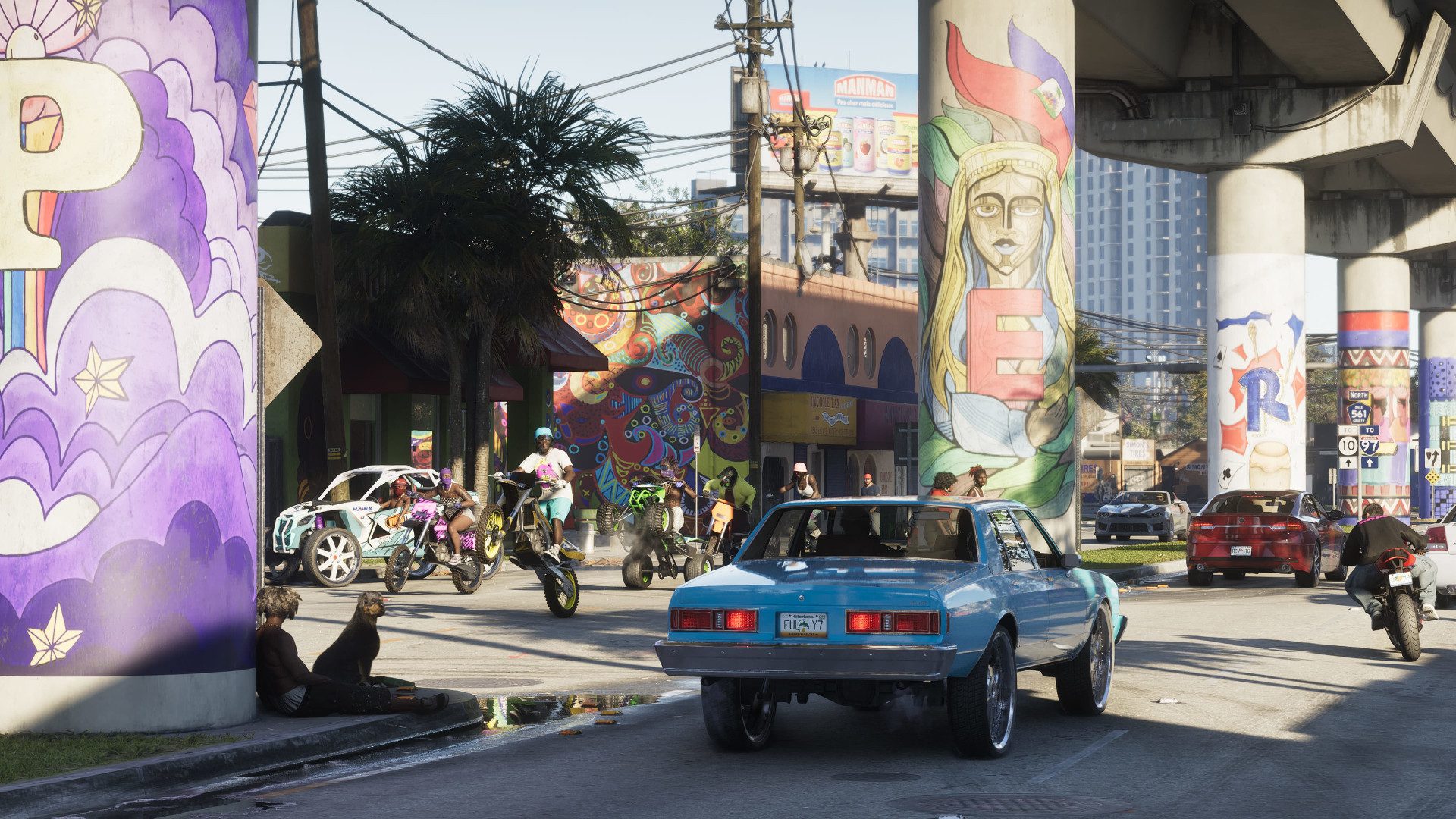
Open World Games in 2026: Bigger, More Alive, But Are They More Fun?
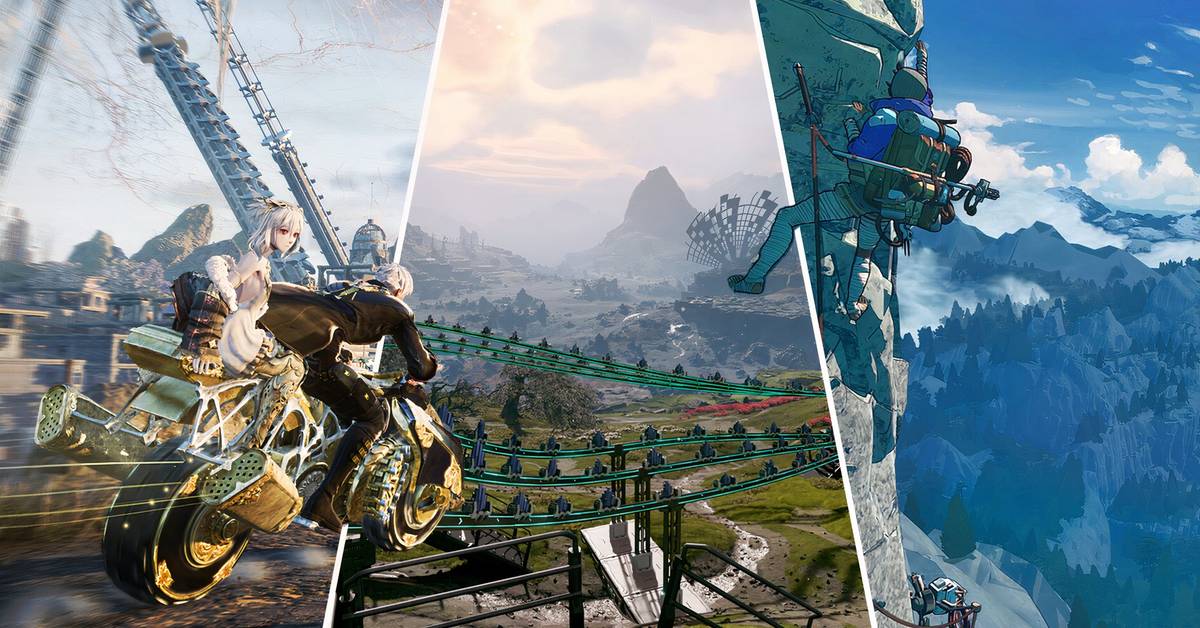
Open world games have always been one of the most popular genres in the gaming industry. The idea of exploring vast landscapes, choosing your own path, and creating your own story has always been appealing. But in 2026, open world games have reached a new level. They are bigger than ever, more detailed, and more alive.
However, this evolution raises an important question: do bigger and more realistic worlds actually make games more fun?
Worlds That Feel Truly Alive

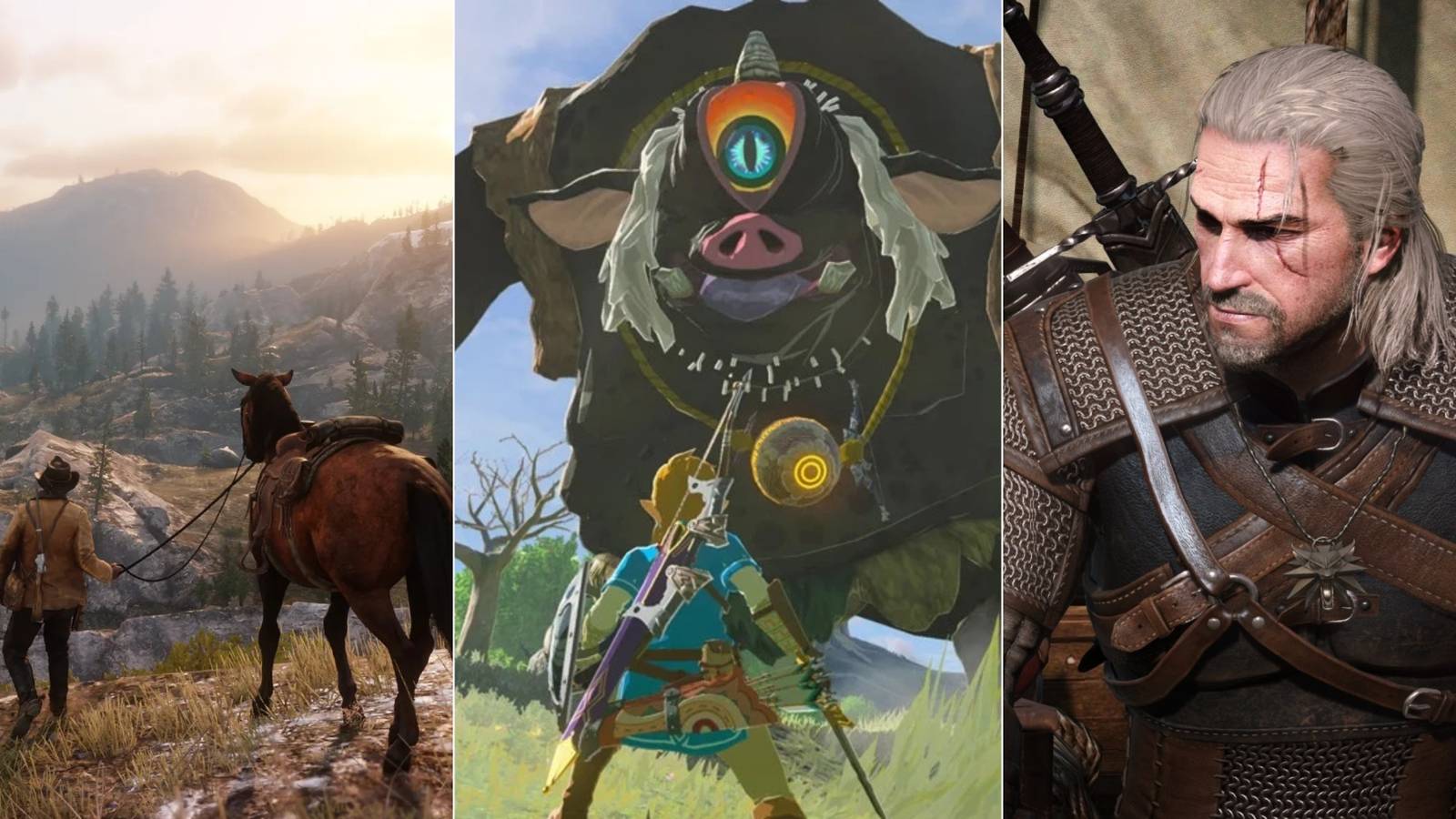
Modern open world games are no longer just large maps filled with repetitive activities. Thanks to advancements in technology, these worlds now feel dynamic and reactive.
Games like Cyberpunk 2077 and Red Dead Redemption 2 set early standards for living worlds, but in 2026, developers have pushed things even further.
Today’s open worlds feature:
• NPCs with daily routines and memory systems
• Dynamic weather that affects gameplay
• Ecosystems where animals and environments interact naturally
• Cities that change over time based on player actions
Instead of feeling like static environments, these worlds behave more like real ecosystems.
Bigger Than Ever Before
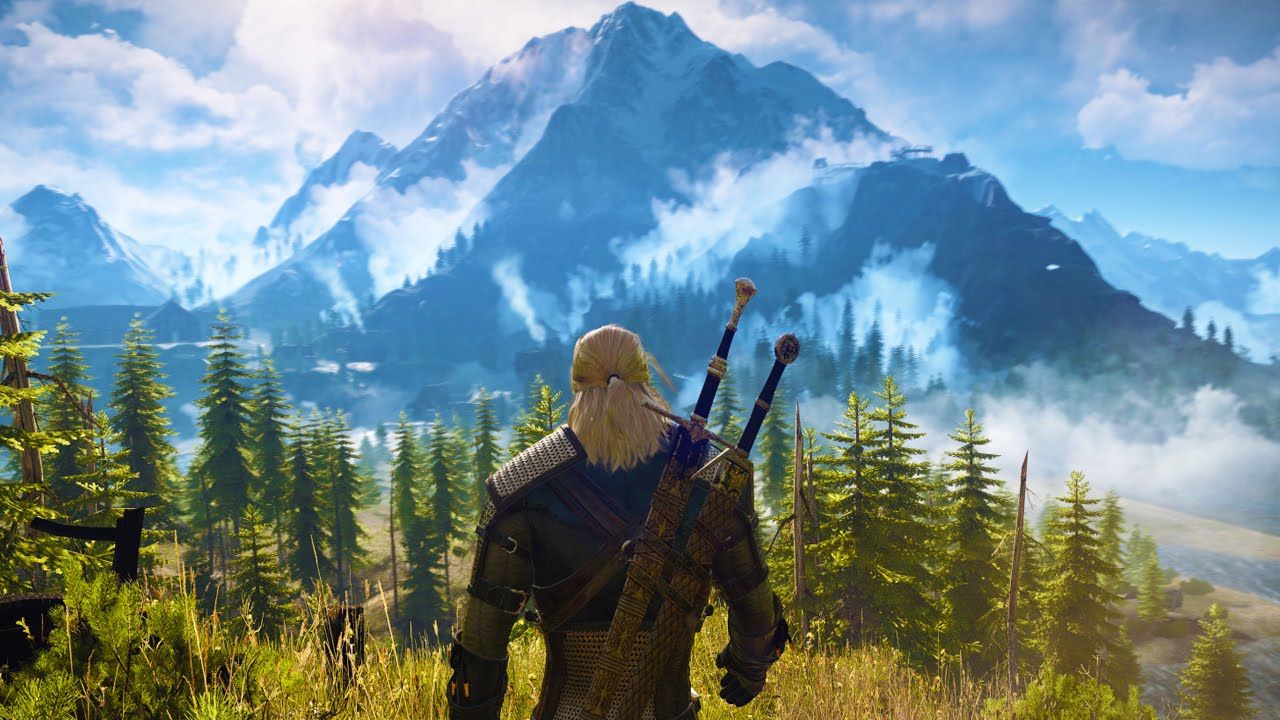
Map size has always been a selling point, and in 2026, games have taken it to the extreme.
Titles like Starfield offer entire galaxies to explore, while Grand Theft Auto VI introduces massive cities filled with unprecedented detail.
Players can spend hundreds of hours exploring without seeing everything. There are countless side quests, hidden secrets, and emergent events happening across the map.
But here is the problem. Does bigger always mean better?
The Problem of “Open World Fatigue”
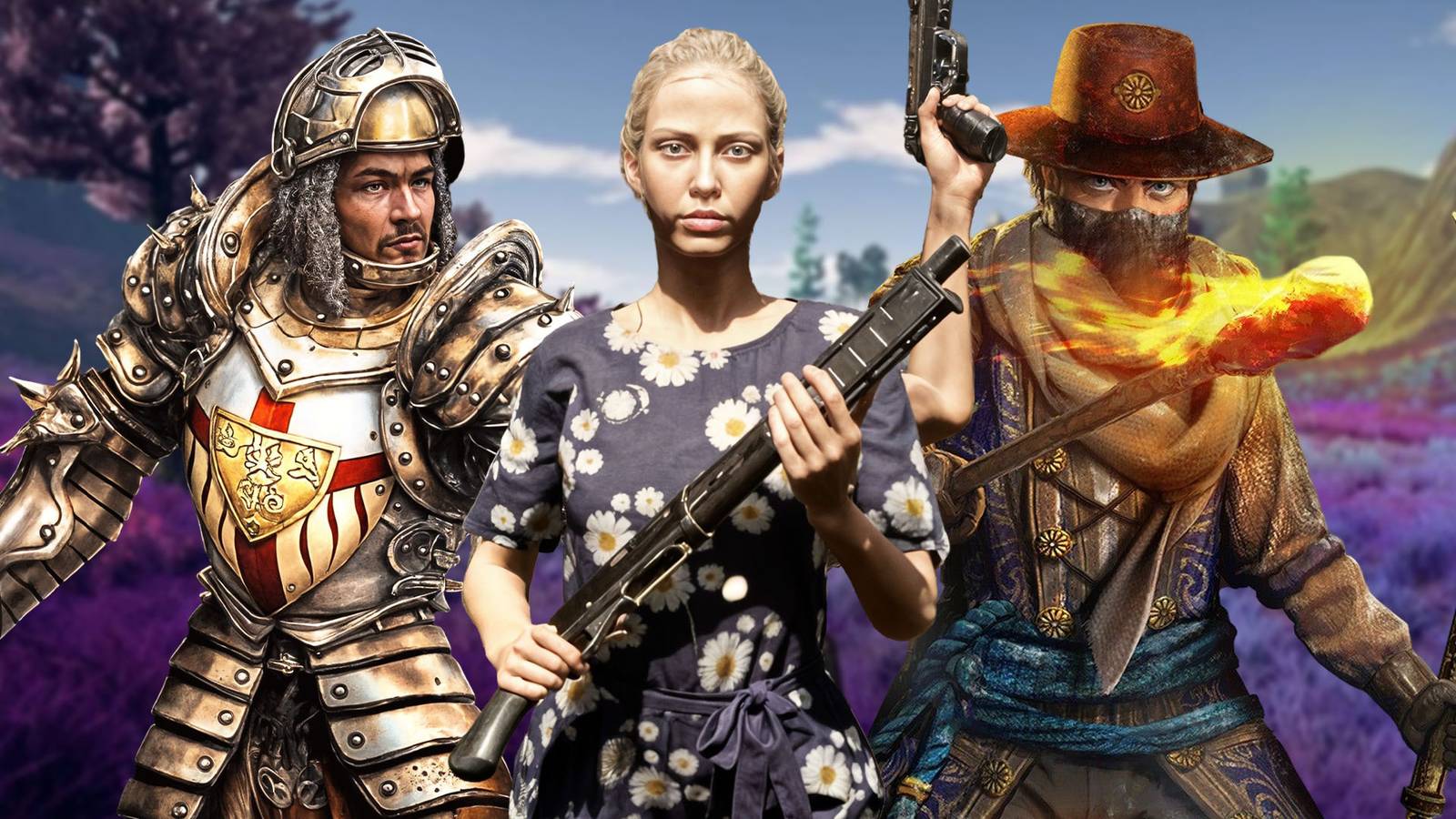
As open world games grow larger, some players are starting to feel overwhelmed.
This phenomenon is often called open world fatigue.
Common complaints include:
• Too many repetitive side missions
• Large areas with little meaningful content
• Overwhelming objectives and map markers
• Time consuming travel
Even the most beautiful world can feel boring if there is nothing interesting to do in it.
Players are beginning to realize that size alone does not guarantee enjoyment.
AI Changes Everything
One of the biggest improvements in 2026 is the use of artificial intelligence to make open worlds more engaging.
Game engines like Unreal Engine 5 are now combined with AI systems that allow worlds to evolve dynamically.
This means:
• Quests can be generated based on player behavior
• NPCs react differently each time you interact with them
• Events can happen randomly instead of being scripted
Instead of following a fixed path, players experience a world that adapts to them.
This makes gameplay feel less repetitive and more personal.
Freedom vs Direction
One of the core strengths of open world games is freedom. Players can go anywhere and do anything.
However, too much freedom can sometimes become a problem.
Without clear direction:
• Players may feel lost
• Progress can feel meaningless
• The story may lose impact
Games in 2026 are trying to balance this by offering guided experiences within open worlds. Instead of forcing players to follow a strict path, they provide meaningful choices that still maintain a sense of purpose.
Are Open Worlds Still Fun?
The answer depends on how the game is designed.
When done right, open world games offer:
• A sense of discovery and adventure
• Freedom to play at your own pace
• Immersive environments that feel alive
But when done poorly, they can feel like:
• Endless checklists of tasks
• Repetitive gameplay loops
• Empty spaces filled with nothing meaningful
The key difference is not size or realism, but quality of content and design.
A Shift Toward Smarter Worlds
Developers in 2026 are starting to realize that players value meaningful experiences more than sheer scale.
As a result, we are seeing a shift toward:
• Smaller but denser worlds
• More interactive environments
• Better storytelling within open spaces
Instead of asking “how big can we make the map,” developers are asking “how engaging can we make every part of it.”
This shift could redefine the future of open world games.
The Future of Open World Gaming
Looking ahead, open world games will likely continue to evolve with:
• AI driven storytelling
• Fully dynamic ecosystems
• Seamless integration of multiplayer and social elements
• Persistent worlds that change over time
The goal is not just to create large worlds, but to create worlds that feel worth living in.
Conclusion
Open world games in 2026 are bigger, more detailed, and more alive than ever before. They offer incredible freedom and immersion, allowing players to explore vast digital landscapes like never before.
But bigger does not always mean better.
The true success of an open world game lies in how engaging and meaningful the experience is. Players want worlds that feel alive not just visually, but emotionally and interactively.
So are open world games more fun in 2026?
They can be. But only when developers focus not just on size, but on creating experiences that truly matter.
About the Author