Esports 2026: Still Competitive or Now Pure Entertainment?
Esports 2026: Still Competitive or Now Pure Entertainment?
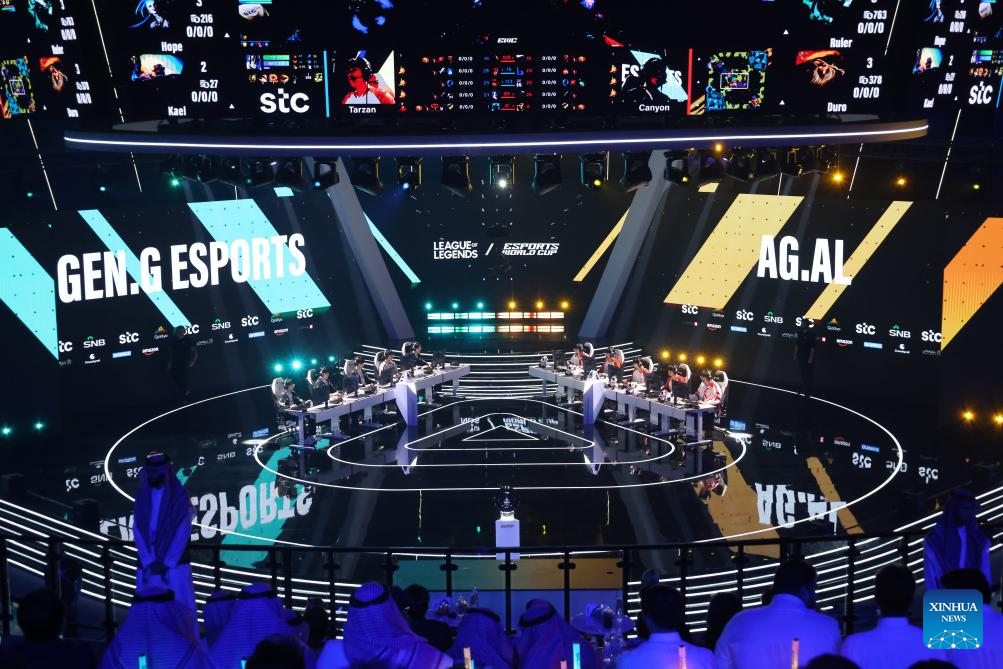
The esports industry in 2026 stands at a fascinating crossroads. What once began as small scale competitive gaming tournaments has evolved into a global phenomenon that rivals traditional sports in viewership, sponsorship, and cultural influence. With packed arenas, million dollar prize pools, and millions of viewers online, esports is no longer just about competition. It has become a full scale entertainment industry.
This transformation raises an important question: is esports in 2026 still truly competitive, or has it shifted into pure entertainment?
The Roots of Competition

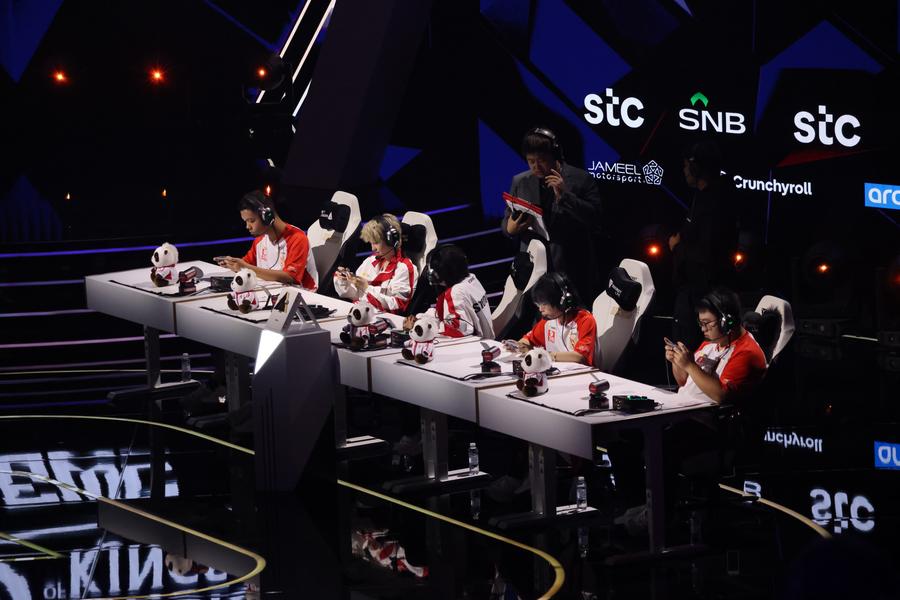
At its core, esports was built on competition. Games like League of Legends and Counter-Strike 2 still maintain highly structured competitive ecosystems.
Professional players train for years, mastering mechanics, strategy, and teamwork. Tournaments remain intense, with teams competing at the highest level for prestige and prize money.
In 2026, the competitive aspect is still very much alive:
• Teams have dedicated coaches and analysts
• Training routines are similar to traditional athletes
• Strategies are constantly evolving
• Skill ceilings continue to rise
For many players and fans, esports is still about being the best.
The Rise of Entertainment Elements
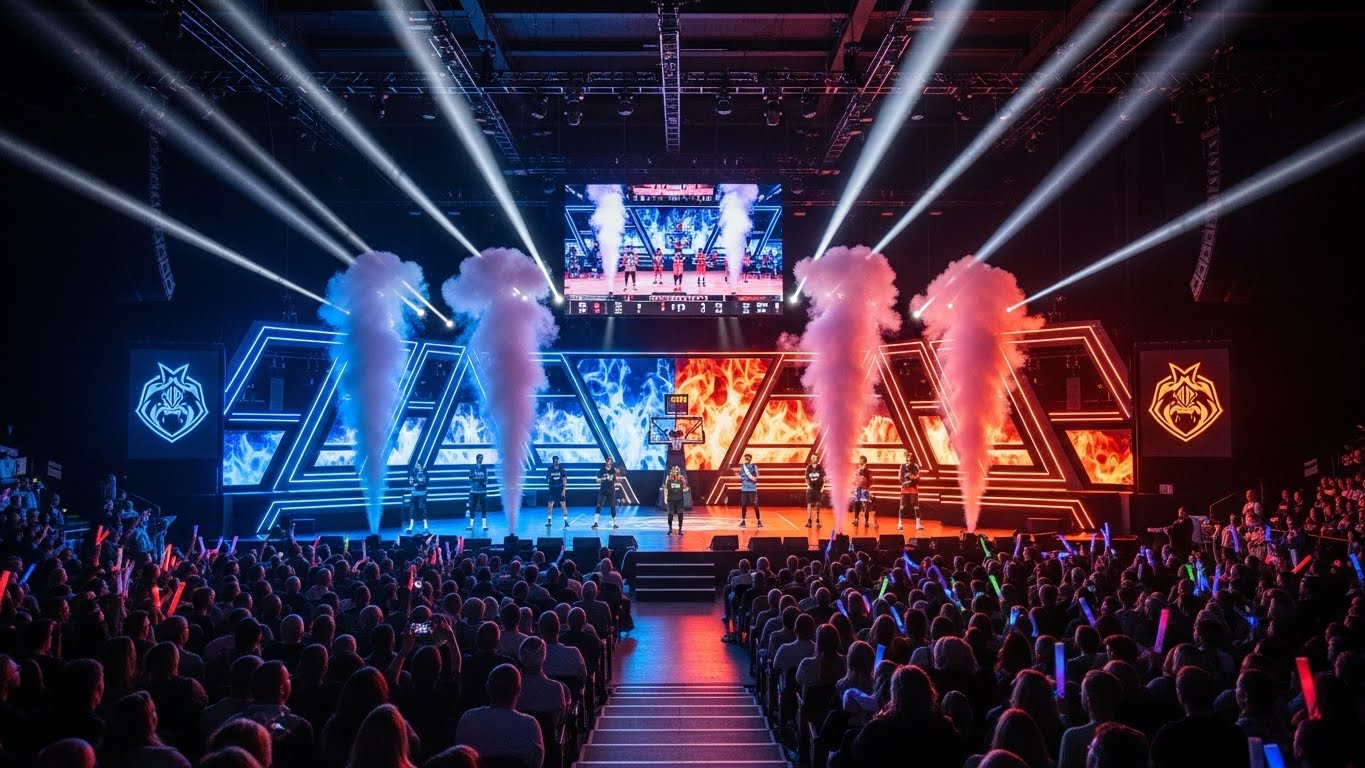
However, esports is no longer just about competition. Entertainment has become a central pillar of the industry.
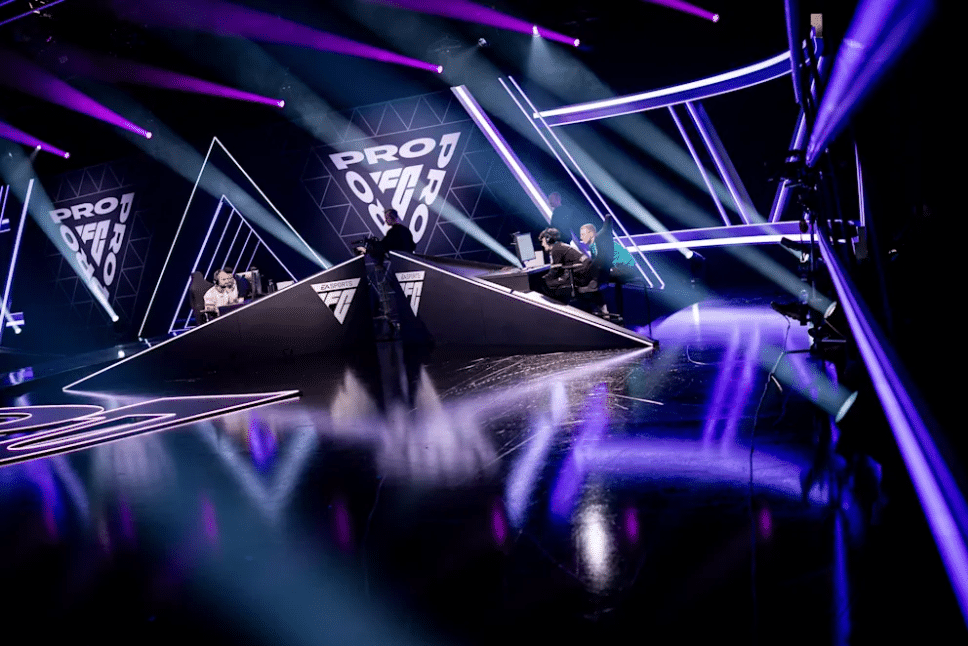
Events today are designed to be spectacles. Opening ceremonies, live music, celebrity appearances, and cinematic presentations are now standard.
Even games like Fortnite blur the line between esports and entertainment by hosting massive in game events alongside competitive play.
Streaming platforms have also played a huge role. Many viewers are not just watching for the competition, but for:
• Player personalities
• Team rivalries
• Storylines and drama
• Content creation around esports
This shift has expanded the audience far beyond hardcore gamers.
Players as Entertainers
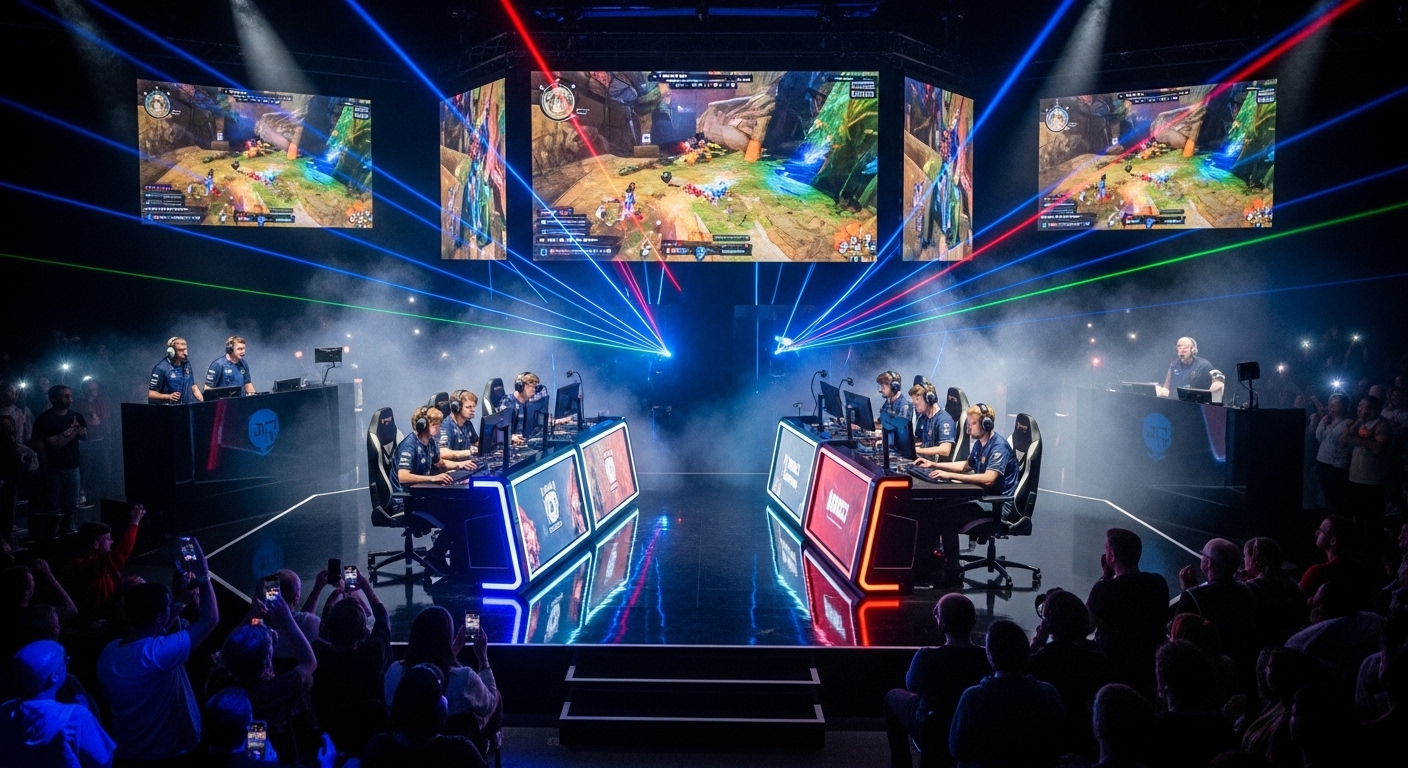
In 2026, esports players are not just competitors. They are also entertainers and influencers.
Top players:
• Stream regularly
• Engage with fans on social media
• Build personal brands
• Collaborate with sponsors and content creators
This dual role changes how players approach their careers. Performance in tournaments is still important, but so is visibility and personality.
Some players even gain more popularity from their content than their competitive achievements.
The Business Side of Esports
The financial growth of esports has also contributed to its transformation.
Major organizations operate like media companies, investing in:
• Sponsorship deals
• Merchandise
• Content production
• Brand partnerships
Leagues are structured for long term sustainability rather than just competition. Franchising models, similar to traditional sports leagues, prioritize stability and audience engagement.
This business approach naturally pushes esports toward entertainment.
Balancing Competition and Entertainment
The key challenge in 2026 is balance.
If esports focuses too much on entertainment, it risks losing its competitive integrity. On the other hand, if it remains too focused on hardcore competition, it may limit its audience.
Successful esports titles manage to balance both. For example:
• Competitive formats remain fair and skill based
• Broadcasts are enhanced with storytelling and visuals
• Players are promoted as both athletes and personalities
This hybrid model is what defines modern esports.
Audience Expectations Have Changed
Viewers in 2026 expect more than just gameplay. They want a complete experience.
This includes:
• High quality production
• Engaging commentary
• Story driven narratives
• Interactive viewing experiences
Esports events are no longer just tournaments. They are entertainment shows with competitive cores.
Is Skill Still the Main Factor
Despite all the changes, skill remains essential.
At the highest level, matches are still decided by:
• Precision and mechanics
• Strategy and teamwork
• Decision making under pressure
No amount of entertainment value can replace the excitement of high level competition.
However, skill alone is no longer enough to define success in esports. Visibility, branding, and fan engagement now play equally important roles.
The Future of Esports
Looking ahead, esports will likely continue to evolve as a hybrid between competition and entertainment.
We may see:
• More immersive viewing experiences using VR and AR
• Deeper integration with social platforms
• Increased collaboration with traditional entertainment industries
• New formats that blend competition with storytelling
The line between esports, gaming, and entertainment will become even more blurred.
Conclusion
In 2026, esports is no longer just a competitive activity, but it has not lost its competitive core either.
It exists in a unique space where competition and entertainment coexist. Skill, strategy, and teamwork remain at the heart of esports, while storytelling, personality, and production elevate it to a global entertainment industry.
So, is esports still competitive or purely entertainment?
The answer is both.
And that balance is exactly what makes esports in 2026 more exciting than ever.
About the Author