The Future of Streaming: AI, Interactivity, and Ultra-HD Trends in 2025
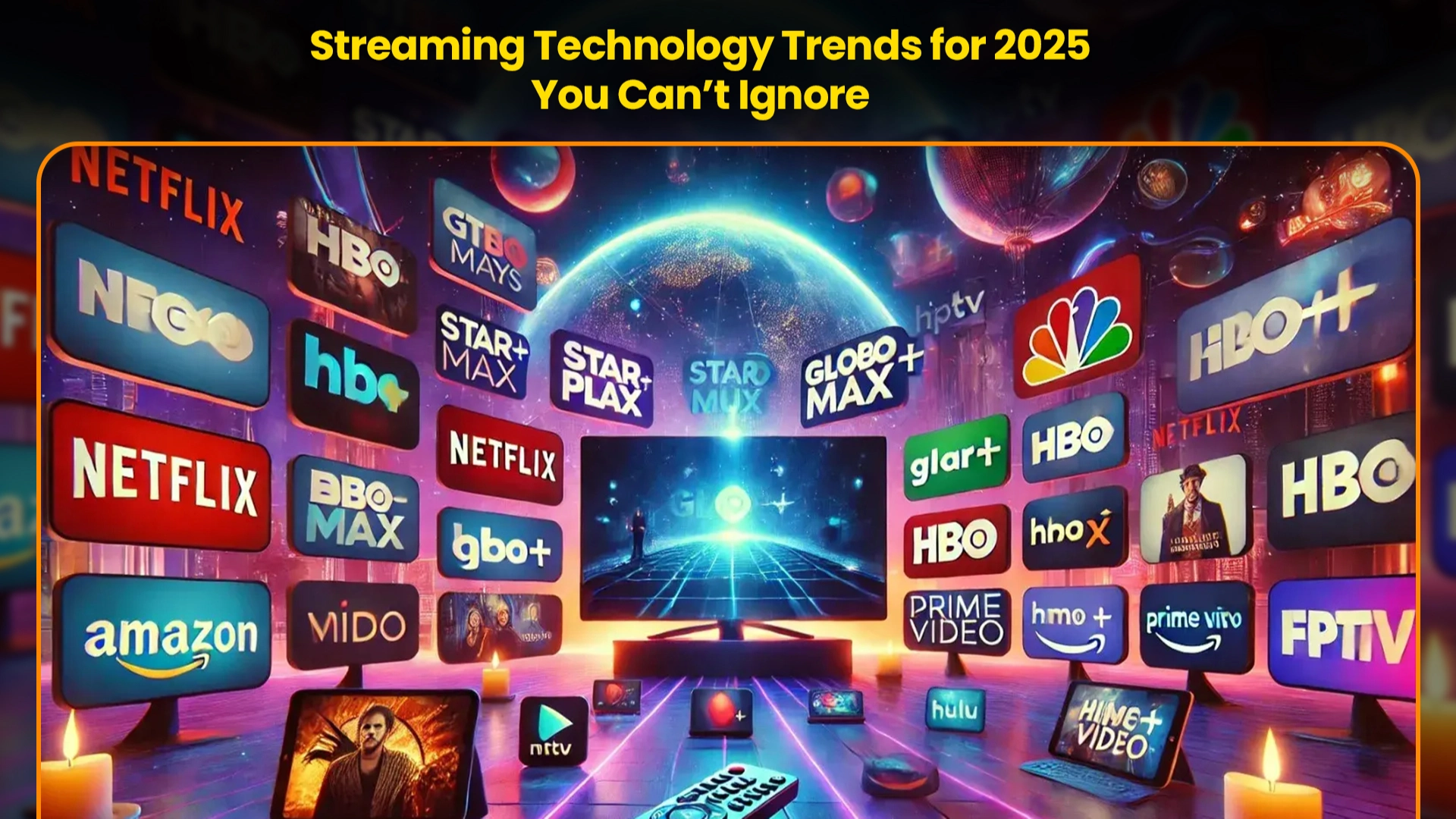
Streaming has come a long way from its early days of pixelated videos and constant buffering. In 2025, the landscape looks entirely different. Platforms like Twitch, YouTube, Netflix, and Kick are pushing the boundaries of what’s possible, driven by artificial intelligence, interactive features, and ultra-high-definition (Ultra-HD) technology. For both content creators and audiences, these innovations are reshaping not just how we watch but also how we participate in digital entertainment.
1. Artificial Intelligence at the Core


Artificial intelligence is no longer just a buzzword—it has become the backbone of streaming platforms.
Personalized Recommendations
Algorithms in 2025 are far more advanced than their predecessors. Instead of simply suggesting “similar content,” AI now analyzes viewer behavior in real time—considering watch duration, interaction patterns, even emotional cues captured from smart devices. This results in hyper-personalized feeds that feel tailor-made for each individual.
Content Creation and Moderation
AI tools also empower creators. Streamers now rely on AI-driven video editing assistants that cut highlights, add captions, and even suggest optimal upload schedules. Moderation has also improved, with AI detecting toxic comments or inappropriate content before they spiral into bigger problems. This creates safer and more engaging spaces for communities.
Virtual Avatars and Digital Hosts
Perhaps the most fascinating trend is the rise of AI-driven virtual streamers. Inspired by VTubers, platforms now offer AI-powered avatars capable of reacting dynamically to chat, learning audience preferences, and even generating real-time dialogue. This blend of automation and creativity is redefining what it means to be a “creator.”
2. Interactivity Becomes the Norm
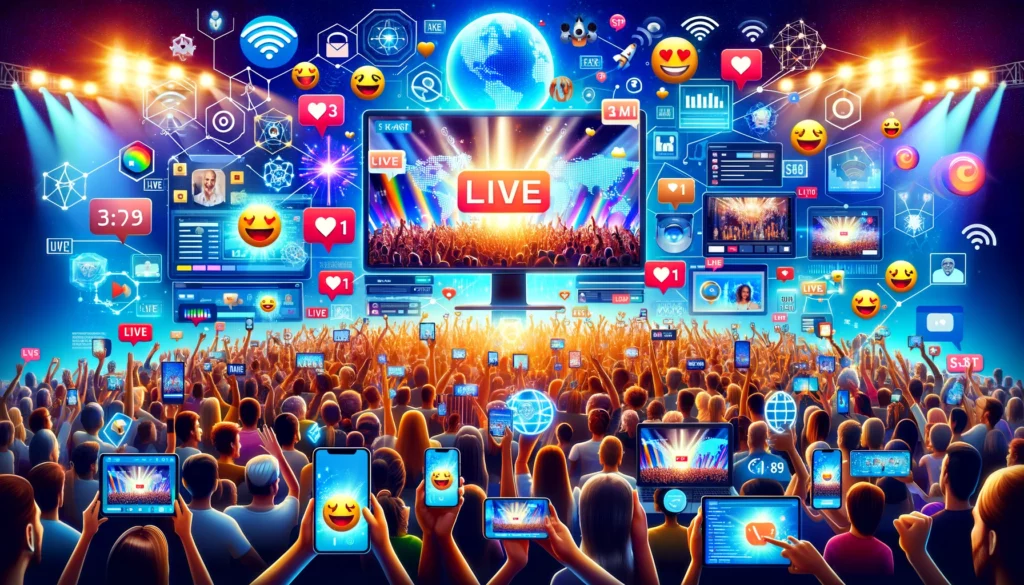
In 2025, streaming isn’t just about passive viewing—it’s an interactive experience where audiences actively shape the content.
Live Polls and Branching Storylines
Game streams and even shows now include live polls where viewers decide what happens next. Imagine watching a survival game where the chat collectively chooses whether the player explores a cave or builds a shelter. This gamified experience makes audiences feel like co-directors rather than mere spectators.
Integrated Commerce and Donations
Another interactive trend is seamless commerce. Viewers can now purchase products or game items directly from a stream without leaving the platform. Meanwhile, tipping and donations have become more dynamic, with customizable on-screen effects triggered by audience contributions.
Social Layers
Platforms are also layering in social features—watch parties, co-streaming, and even AI-moderated mini-games in chat. These tools keep audiences engaged longer, turning a simple livestream into a digital community hub.
3. Ultra-HD and Beyond
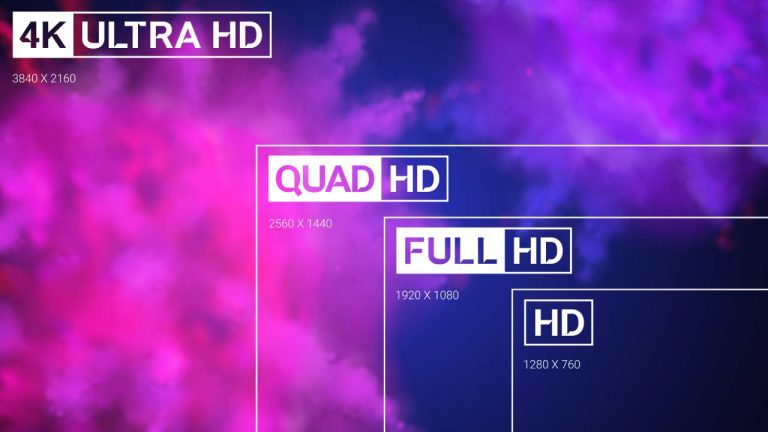
Visual quality has always been central to streaming’s evolution. In 2025, Ultra-HD is the standard, but the bar is being raised even further.
8K and Adaptive Bitrates
With internet infrastructure improving globally, 8K streams are now accessible to households with stable connections. Platforms use adaptive bitrate technology powered by AI to ensure smooth playback, automatically adjusting resolution based on real-time bandwidth.
HDR and Immersive Audio
High Dynamic Range (HDR) is no longer exclusive to premium services—it’s available across platforms. Combined with spatial audio and surround sound, the streaming experience now rivals, and sometimes surpasses, traditional cinema.
Cloud-Powered Accessibility
Perhaps the most transformative aspect is how cloud computing has reduced hardware limitations. Viewers no longer need the latest TV or console to enjoy Ultra-HD. Even budget devices can stream top-quality content thanks to cloud optimization, making high-end streaming accessible to a broader audience.
4. Challenges on the Horizon
Of course, the future isn’t without challenges.
• Bandwidth Inequality: Not all regions enjoy fast internet, and the digital divide means Ultra-HD or interactive features aren’t universally accessible.
• Creator Burnout: While AI helps with production, the demand for constant interaction and innovation can strain creators.
• Privacy Concerns: As AI gathers deeper insights into behavior and preferences, questions of data protection grow more urgent.
5. What It Means for Creators and Viewers
For creators, the key to success in 2025 is adaptability. Embracing AI tools, experimenting with interactivity, and ensuring content looks stunning in Ultra-HD are no longer optional—they’re expected. Meanwhile, audiences benefit from richer, more immersive experiences but must also navigate concerns about data usage and the cost of premium features.
Conclusion
The future of streaming in 2025 is bright, dynamic, and deeply transformative. Artificial intelligence powers smarter recommendations and content tools, interactivity turns audiences into collaborators, and Ultra-HD technology delivers breathtaking visuals and sound. Together, these trends are setting a new gold standard for digital entertainment.
The line between creator and viewer, reality and virtuality, passive watching and active participation continues to blur. For anyone involved in streaming—whether as a hobbyist, a professional, or simply an audience member—2025 is not just the future. It’s the present, and it’s unfolding right before our eyes.
About the Author