Android Phones in 2026: Which Innovations Are Changing How We Use Smartphones?

Android Phones in 2026: Which Innovations Are Changing How We Use Smartphones?
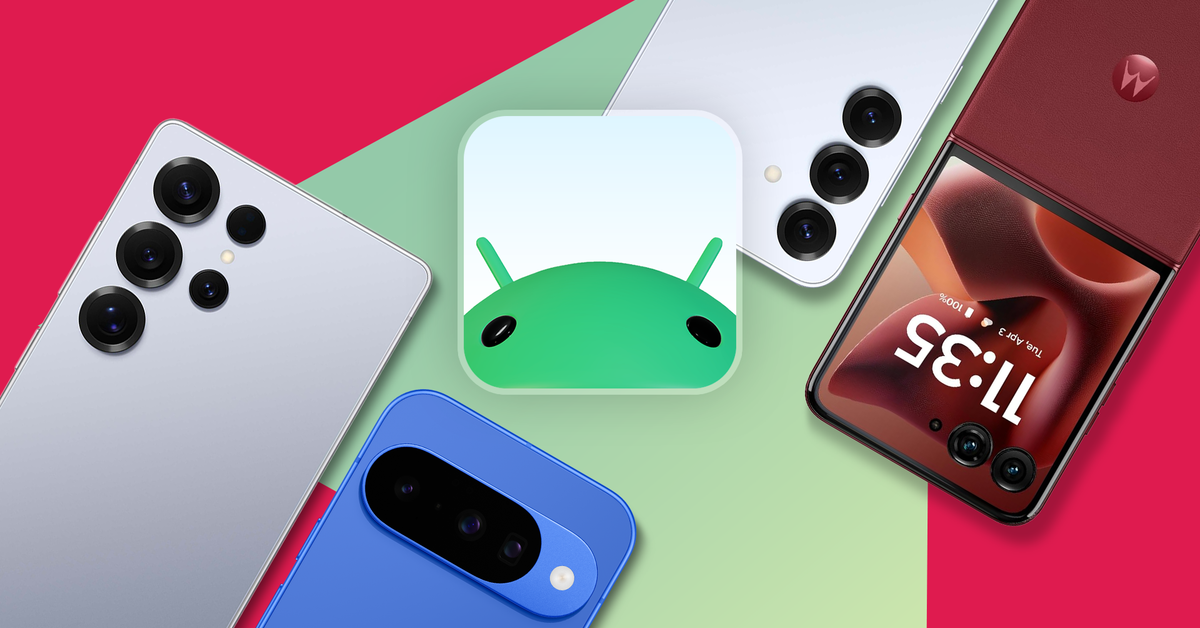
The Android smartphone industry has always evolved rapidly, but 2026 marks a particularly transformative moment. Instead of focusing only on faster processors or slightly better cameras, smartphone companies are now redefining how people interact with their devices. Artificial intelligence, satellite connectivity, foldable displays, and new hardware designs are reshaping the role of smartphones in everyday life.
In other words, smartphones are no longer just tools for communication and entertainment—they are becoming intelligent personal assistants, productivity hubs, and even survival tools. Here are the key innovations in Android phones in 2026 that are changing the way we use smartphones.
1. On-Device AI: The Smartphone Becomes a Personal Assistant

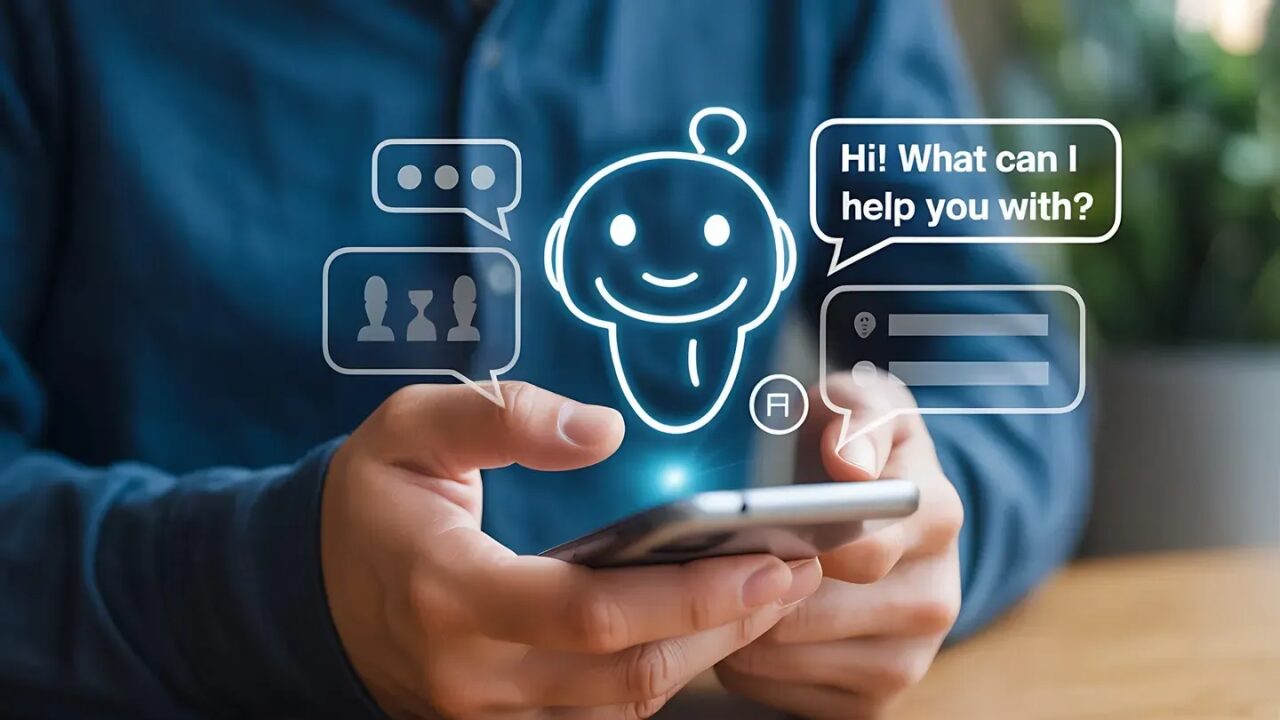
One of the most important changes in Android phones in 2026 is the rise of on-device artificial intelligence. Instead of relying entirely on cloud servers, many smartphones now process AI tasks directly on the device.
This shift is powered by advanced chipsets with dedicated AI engines. New AI systems can understand voice, text, and images simultaneously, allowing phones to interpret real-world situations and respond instantly. For example, a new multimodal AI model introduced at MWC 2026 can analyze live scenes through the camera while answering user questions in real time.
This technology enables features such as:
• Real-time language translation during conversations
• AI-generated summaries of emails or messages
• Smart photo editing and scene recognition
• AI assistants that complete tasks automatically
Instead of opening apps manually, users can simply tell their phone what they want, and the AI handles the rest. The result is a smartphone experience that feels less like operating a device and more like interacting with a digital assistant.
2. Foldable and Flexible Displays Are Becoming Mainstream

Another major innovation is the rapid evolution of foldable smartphones. What started as a niche category a few years ago is now becoming more refined and practical.
Manufacturers are improving hinge mechanisms and display durability. For example, new foldable models are introducing designs that minimize the visible crease in the folding screen, creating a smoother viewing experience and making foldables feel closer to traditional phones.
The benefits of foldable displays include:
• A compact phone that expands into a tablet
• Better multitasking for work and productivity
• Larger screens for gaming and video streaming
As foldable technology matures, it is expected to become a mainstream design rather than a premium experiment.
3. Satellite Connectivity: Phones That Work Anywhere
Connectivity has also taken a huge step forward. Many new Android smartphones are now capable of satellite communication, allowing users to send messages or make emergency calls even when traditional mobile networks are unavailable.
Some new devices support satellite messaging and even voice calls across large parts of the globe. This technology allows phones to automatically switch between regular cellular networks and satellites when necessary.
This innovation changes how smartphones are used in situations such as:
• Traveling in remote areas
• Outdoor adventures and hiking
• Natural disasters or emergencies
Instead of losing signal completely, smartphones can now stay connected almost anywhere on Earth.
4. Camera Systems Are Becoming More Advanced Than Ever
Smartphone cameras have improved dramatically over the past decade, but 2026 introduces new levels of capability.
Some flagship devices are now experimenting with 200-megapixel sensors, AI tracking systems, and stabilized gimbal cameras that can automatically follow subjects during video recording.
These technologies allow smartphones to function almost like professional cameras. Key improvements include:
• Ultra-high-resolution photography
• AI-assisted video stabilization
• Smart tracking for moving subjects
• Real-time image enhancement
For many users, this means smartphones can fully replace traditional cameras for travel, social media, and content creation.
5. Bigger Batteries and Faster Charging
Battery technology is another area experiencing rapid progress. New smartphones are pushing battery capacity beyond traditional limits while improving charging speeds.
For example, some upcoming devices feature batteries as large as 6,500 mAh combined with fast wired and wireless charging options.
These improvements allow users to:
• Use their phone for multiple days on a single charge
• Recharge extremely quickly when needed
• Run more demanding apps like AI processing and gaming
Longer battery life is especially important as smartphones become more powerful and handle increasingly complex tasks.
6. New Smartphone Form Factors and Experiments
In addition to foldables, companies are experimenting with entirely new phone designs.
One example is a compact Android device with a physical QWERTY keyboard, designed for messaging and communication-focused users.
Meanwhile, concept phones showcased at technology events include:
• Modular phones with magnetic accessories
• Phones with robotic or gimbal cameras
• Devices designed around AI-first interaction
These experiments suggest that the classic rectangular smartphone may not remain the dominant design forever.
7. The Future: Smartphones as AI-Powered Digital Hubs
Looking ahead, the role of smartphones will likely expand even further. Future Android devices may integrate with:
• Augmented reality glasses
• smart home systems
• wearable devices
• 6G networks and ultra-fast wireless communication
Instead of acting as standalone gadgets, smartphones will become the central hub of a connected digital ecosystem.
Conclusion
Android smartphones in 2026 represent a major shift in mobile technology. The industry is moving beyond incremental upgrades and focusing on innovations that fundamentally change how people use their devices.
Key trends shaping the future include:
• On-device artificial intelligence
• Foldable and flexible displays
• Satellite connectivity
• Advanced camera systems
• Longer battery life
• New and experimental phone designs
Together, these innovations are transforming smartphones from simple communication tools into intelligent, adaptable devices that integrate deeply into daily life.
As these technologies continue to mature, the smartphone of the future may feel less like a gadget in your pocket and more like a smart companion that understands and anticipates your needs. In many ways, 2026 may be remembered as the year when smartphones truly became intelligent.
About the Author