Gaming Industry 2026: Is the Era of 100+ Hour Games Coming to an End?

For years, the gaming industry has been obsessed with one major selling point: game length. The longer the game, the better the perceived value. Open-world RPGs, sprawling narratives, and endless side quests dominated the AAA landscape throughout the 2010s and early 2020s. Titles boasting 100+ hours of gameplay were seen as premium experiences worth every dollar.
But in 2026, that philosophy is being challenged. Player habits are changing, development costs are rising, and the definition of “value” in gaming is evolving. This raises an important question: is the era of ultra-long games finally coming to an end?
The Golden Age of Long Games

To understand the shift, we need to look back at why long games became so popular in the first place.
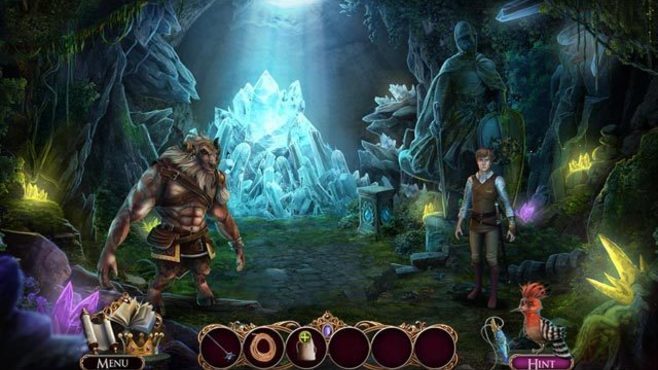
During the peak of open-world design, developers competed to create the biggest and most immersive experiences possible. Massive maps, hundreds of quests, and dozens of hours of content became standard features. Games like The Witcher 3, Red Dead Redemption 2, and Assassin’s Creed Valhalla set expectations that a “full” game should last dozens—if not hundreds—of hours.
At the time, this made sense:
• Players wanted maximum value for money
• Physical game purchases encouraged long-term engagement
• Fewer games were released compared to today
Length became a marketing tool. “100+ hours of gameplay” was a badge of honor.
Player Behavior Is Changing
Fast forward to 2026, and the gaming audience looks very different.
Modern players:
• Have less free time
• Play multiple games simultaneously
• Prefer flexible, pick-up-and-play experiences
The rise of live-service games, mobile gaming, and subscription platforms has fragmented player attention. Instead of dedicating months to a single title, players now jump between experiences more frequently.
This has led to a surprising trend:
many players don’t finish long games anymore.
Industry reports and player data consistently show that:
• A large percentage of players never complete main storylines
• Engagement drops significantly after the first 20–30 hours
• Completion rates for massive RPGs are often below 50%
In other words, developers are spending years creating content that many players never even see.
The Cost Problem
Creating a 100+ hour game isn’t just time-consuming—it’s extremely expensive.
Long games require:
• Larger development teams
• More assets, dialogue, and animations
• Extended testing and polishing phases
• Ongoing support and updates
In the AAA space, this can push budgets into the hundreds of millions of dollars. And unlike shorter games, the return on investment isn’t always guaranteed.
This creates a critical dilemma:
Is it worth investing heavily in content that most players won’t experience?
As production costs rise, studios are beginning to question whether “bigger” really means “better.”
The Rise of Shorter, More Focused Experiences
One of the biggest trends in 2026 is the growing popularity of shorter, high-quality games.
These games typically offer:
• 10–30 hours of gameplay
• Tighter storytelling
• Less filler content
• Higher replay value
Players are increasingly appreciating experiences that respect their time. Instead of endless fetch quests and repetitive activities, they want meaningful, curated content.
This shift is especially visible in:
• Narrative-driven games
• Indie titles
• AA productions with focused design
Shorter games also allow developers to:
• Reduce production costs
• Take creative risks
• Release games more frequently
Quality Over Quantity
Another major factor driving this shift is the growing criticism of “bloat” in modern games.
For years, developers padded game length with:
• Repetitive side missions
• Collectibles with little purpose
• Artificial progression systems
While these features increased playtime, they often diluted the overall experience.
In 2026, players are becoming more vocal about this issue. The demand is clear:
“Give us better content, not just more content.”
As a result, many studios are focusing on quality over quantity, delivering shorter but more impactful experiences.
The Influence of Subscription Services
Subscription platforms like Game Pass and PlayStation Plus are also reshaping how players approach game length.
With access to hundreds of games:
• Players feel less pressure to “get their money’s worth” from a single title
• Shorter games become more attractive and accessible
• Experimentation increases
This model encourages players to try more games rather than commit to one massive experience. As a result, developers are adapting by creating games that fit into this ecosystem.
Are 100+ Hour Games Really Disappearing?
Despite all these changes, it would be wrong to say that long games are completely going away.
There is still a strong market for:
• Deep RPGs
• Expansive open-world adventures
• Live-service games with ongoing content
However, these games are becoming:
• More selective
• More polished
• More intentional in their design
Instead of every AAA game aiming for 100+ hours, only certain genres and franchises will continue to pursue that scale.
A New Definition of Value
Perhaps the biggest change in 2026 is how players define value.
In the past:
• Value = hours played
Now:
• Value = experience quality, emotional impact, and replayability
A 15-hour game that delivers a memorable story can be more valuable than a 100-hour game filled with repetitive tasks.
This shift is forcing developers to rethink their priorities.
The Future of Game Length
Looking ahead, the industry is likely to settle into a more balanced approach:
• Short to mid-length games (10–30 hours) become the standard
• Long-form games (50–100+ hours) remain for specific genres
• Live-service titles continue to offer ongoing content instead of fixed length
Developers will focus on:
• Player engagement rather than sheer duration
• Meaningful content instead of filler
• Sustainable production models
Conclusion
So, is the era of 100+ hour games over?
Not entirely—but it’s definitely evolving.
In 2026, the gaming industry is moving away from the idea that bigger is always better. Instead, it’s embracing a more player-centric approach—one that values time, quality, and meaningful experiences.
About the Author