The New Era of Cloud Gaming in 2026: Do We Still Need Consoles?
The New Era of Cloud Gaming in 2026: Do We Still Need Consoles?
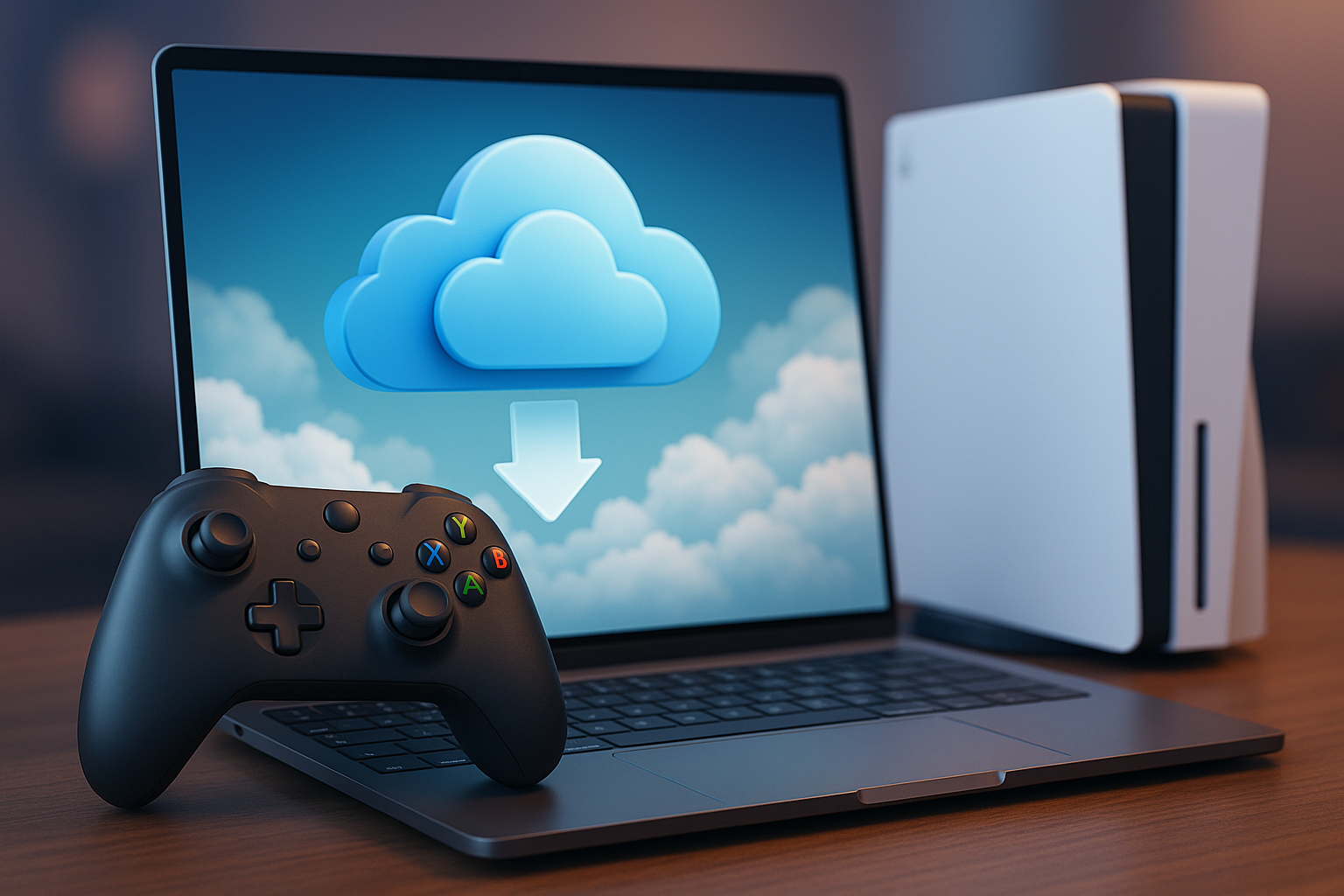
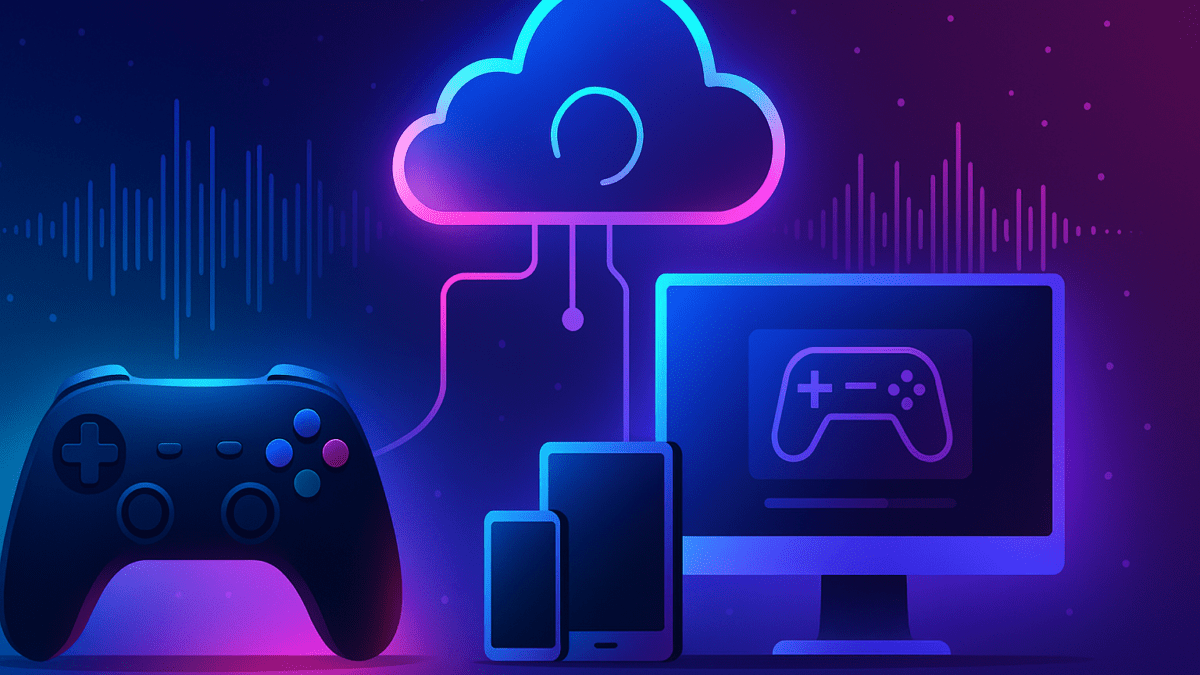
Cloud gaming has been “the future of gaming” for more than a decade. But in 2026, that future no longer feels distant — it feels present. With faster internet infrastructure, smarter compression technology, and powerful remote servers, playing high-end games without expensive hardware is more realistic than ever. This raises a big question for gamers and the industry alike: do we still need consoles, or is cloud gaming ready to take over completely?
Let’s dive into how we got here and what it means for players.
What Exactly Is Cloud Gaming?

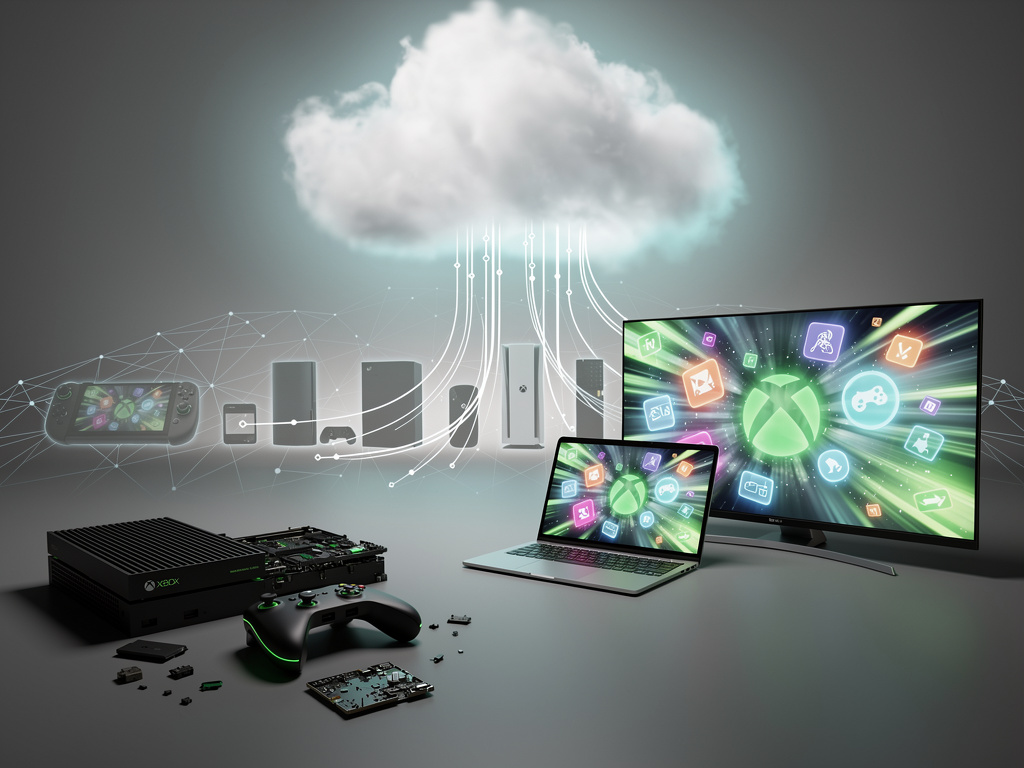
Cloud gaming allows players to stream games from remote servers instead of running them on local hardware like a console or gaming PC. The game is processed in a data center, and the video feed is streamed to your device — whether that’s a phone, laptop, smart TV, or tablet. Your controller inputs are sent back to the server in real time.
Think of it like Netflix, but interactive.
In the past, the main problems were latency (input delay), video compression artifacts, and unstable connections. In 2026, many of those issues have improved significantly thanks to:
• Wider availability of fiber internet
• Expansion of 5G and early 6G mobile networks
• Smarter AI-based video compression
• More regional data centers reducing physical distance
These improvements make cloud gaming smoother and more responsive than ever before.
Performance: Surprisingly Close to Local Hardware
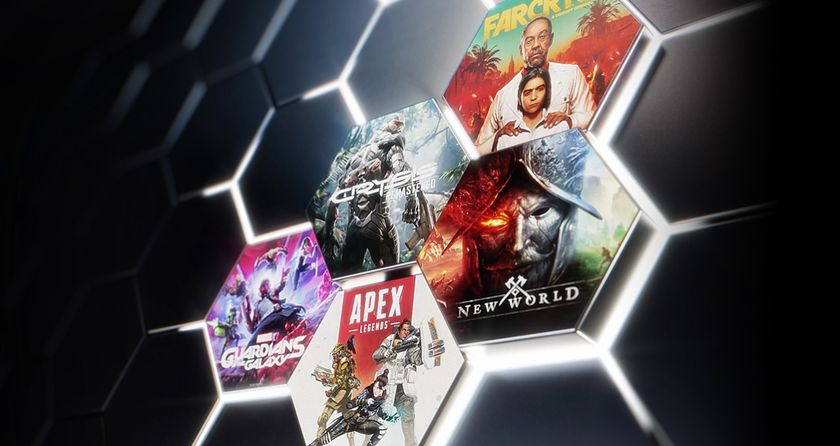
One of the biggest concerns about cloud gaming has always been performance. Competitive players especially worry about input lag ruining fast-paced gameplay.
While local consoles still have a slight edge in raw responsiveness, the gap in 2026 is much smaller than before. For many single-player games, RPGs, strategy titles, and even casual shooters, the difference is barely noticeable.
Cloud platforms now support:
• High frame rates (up to 120 FPS in supported titles)
• Ray tracing and advanced visual effects powered by server-grade GPUs
Because the heavy lifting is done remotely, players don’t need to worry about upgrading hardware every few years. As long as your internet connection is stable, your “console” gets upgraded automatically in the cloud.
Convenience Is Cloud Gaming’s Superpower

Where cloud gaming truly shines is convenience.
You can start a game on your TV, continue on a tablet in bed, and later play on your phone during a commute. No downloads. No patches. No storage limits. Just log in and play.
In 2026, this flexibility fits perfectly with modern lifestyles. Many players no longer want to sit in one place for hours. Cloud gaming turns high-end gaming into something portable and instantly accessible.
For new gamers especially, the entry barrier is much lower. Instead of buying a $500 console, a controller and a subscription are often enough.
So Why Do Consoles Still Exist?
If cloud gaming is so good, why haven’t consoles disappeared?
The answer is simple: control, ownership, and reliability.
1. Offline Play
Consoles don’t rely on internet stability. If your connection drops, your game keeps running. In many regions where high-speed internet is still inconsistent, local hardware remains essential.
2. Lower Latency for Competitive Gaming
Esports and competitive players still prefer local systems for the lowest possible input delay. Even small delays matter in high-level play.
3. Game Ownership and Preservation
With cloud gaming, you’re often licensing access rather than owning a copy. If a game leaves the service, you may lose access. Physical and digital console libraries offer a stronger sense of permanence.
4. Exclusive Ecosystems
Console manufacturers continue to invest in exclusive titles that drive hardware sales. Some experiences are optimized specifically for console architecture and controllers.
The Hybrid Future: Not Replacement, But Coexistence
Instead of replacing consoles, cloud gaming in 2026 is reshaping how they’re used.
Many console makers now integrate cloud streaming directly into their systems. Players can install games locally for the best performance or stream instantly to try before downloading. Consoles are becoming hybrid devices — part local machine, part cloud gateway.
This model gives players choice:
• Want maximum quality and no latency? Play locally.
• Want instant access without downloads? Stream from the cloud.
It’s less about “either-or” and more about flexibility.
The Internet Factor: The True Decider
The real winner in the cloud vs console debate depends on internet infrastructure. In cities with fast, stable connections, cloud gaming can already replace consoles for many players. In rural or developing regions, traditional hardware still dominates.
Even in 2026, global internet equality doesn’t exist. That alone ensures consoles won’t vanish anytime soon.
Cost Comparison
Cloud gaming can be cheaper upfront, but long-term costs vary. Subscriptions add up over time, while consoles require a bigger initial purchase but allow offline play and used game markets.
For casual players, cloud gaming is financially attractive. For dedicated gamers who play for years, owning hardware may still be more economical.
Final Verdict: Do We Still Need Consoles?
Yes — but not in the same way as before.
In 2026, consoles are no longer the only gateway to high-end gaming. Cloud gaming has matured into a powerful alternative that offers convenience, flexibility, and accessibility like never before. However, limitations in internet reliability, competitive performance demands, and ownership concerns keep consoles relevant.
The future isn’t about cloud gaming replacing consoles. It’s about gaming without boundaries, where players choose how and where they want to play.
And honestly? That freedom might be the biggest upgrade gaming has ever had.
About the Author