Games with AI Directors in 2026: Stories That Change Based on How You Play
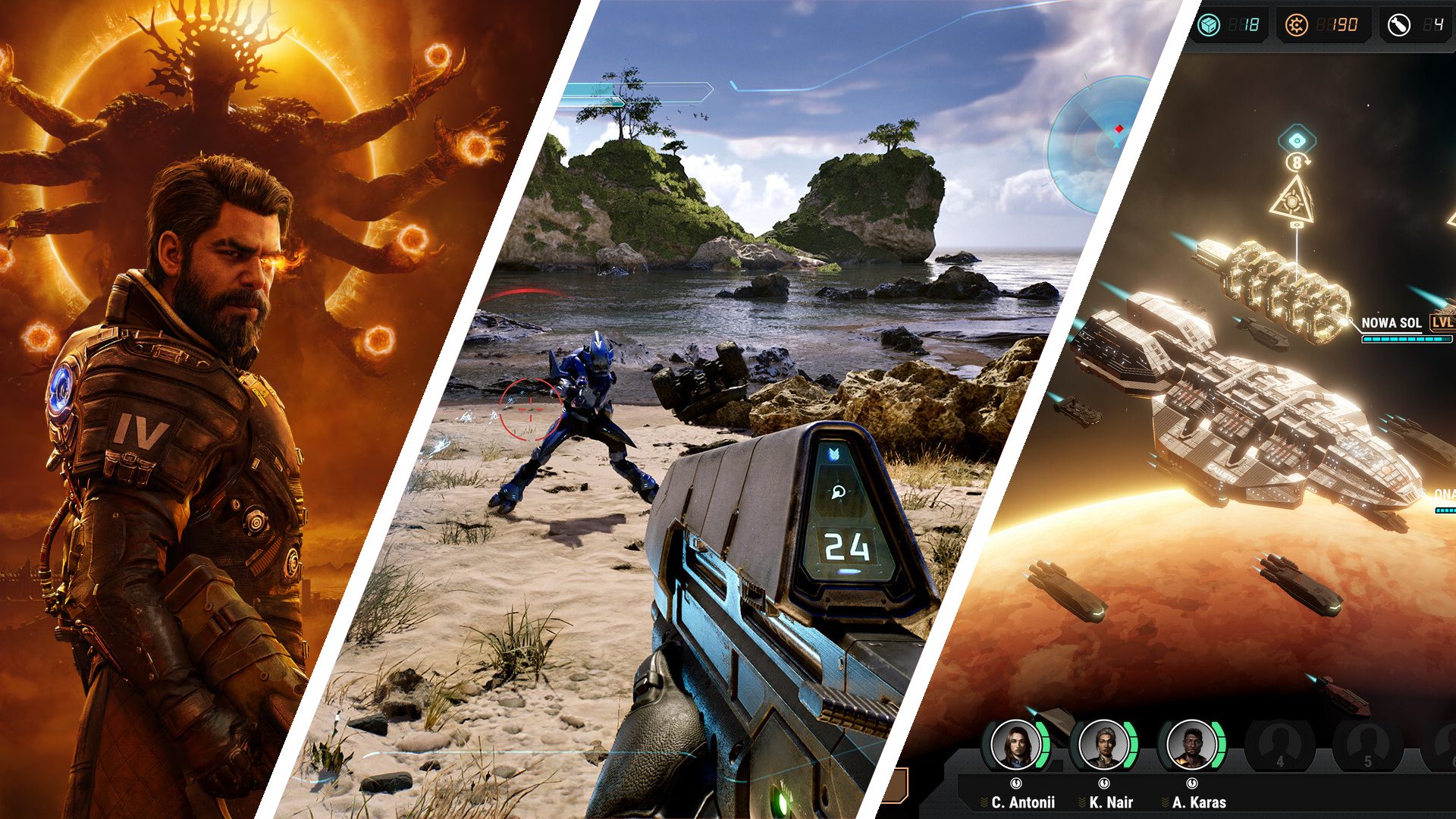
Games with AI Directors in 2026: Stories That Change Based on How You Play

The gaming industry in 2026 is entering a new era—one where stories are no longer fixed, and gameplay experiences are no longer identical for every player. At the center of this evolution is a powerful concept: the AI Director. Unlike traditional game design, where narratives are pre-written and outcomes are predictable, AI-driven systems now allow games to adapt in real time based on how you play.
But what exactly is an AI Director, and how is it transforming the way we experience games?
What Is an AI Director?


An AI Director is a system within a game that dynamically controls elements such as:
• Story progression
• Enemy behavior
• Difficulty levels
• World events
Instead of following a linear script, the AI Director observes your actions, decisions, and playstyle—then adjusts the game accordingly.
This concept isn’t entirely new. Early examples like Left 4 Dead introduced a basic AI Director that controlled enemy spawns and pacing. However, in 2026, this technology has evolved dramatically thanks to advances in machine learning and real-time data processing.
Now, AI Directors don’t just manage gameplay—they shape entire narratives.
Storytelling That Adapts to You

Traditional games often give players the illusion of choice. You might choose between dialogue options or multiple endings, but the core story usually remains the same.
With AI Directors, storytelling becomes far more dynamic.
Imagine this:
• If you play aggressively, the world becomes more hostile
• If you avoid conflict, characters react differently and storylines shift
• If you explore deeply, hidden narratives and side plots emerge
Instead of branching paths, you get a fluid narrative—one that evolves organically based on your behavior.
This means no two playthroughs are exactly alike.
Personalized Gameplay Experience
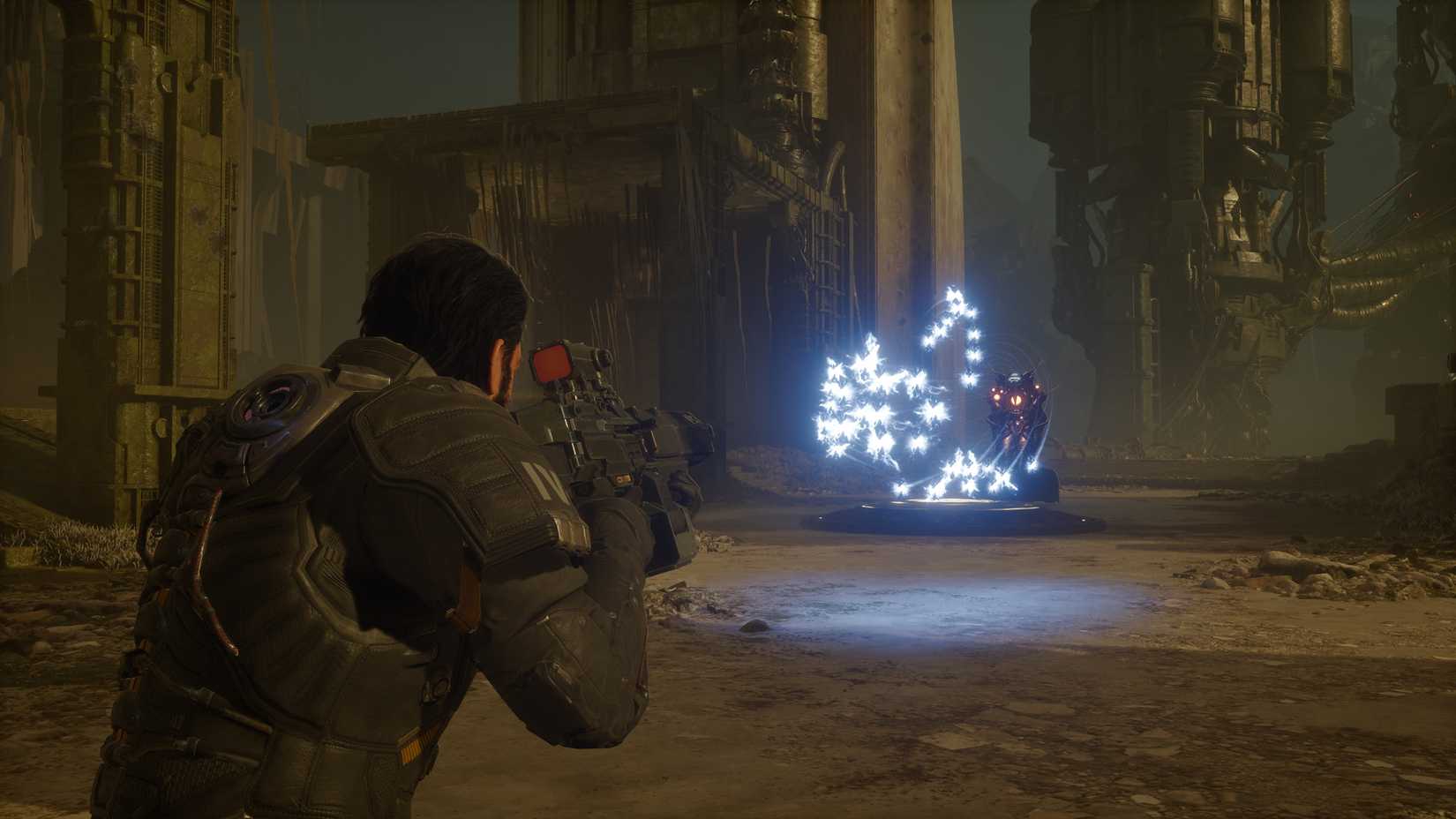
One of the biggest advantages of AI Directors is personalization.
In 2026, games can analyze:
• Your decision-making patterns
• Your preferred playstyle (stealth, combat, exploration)
• Your skill level and reaction time
Based on this data, the game adapts in real time:
• Adjusting difficulty without obvious spikes
• Introducing challenges tailored to your strengths and weaknesses
• Creating moments of tension or relief dynamically
The result is a game that feels “alive”—as if it understands you.
Smarter NPCs and Dynamic Worlds
AI Directors also enhance non-playable characters (NPCs).
Instead of scripted responses, NPCs can:
• Remember your past actions
• Change their behavior toward you
• Influence story outcomes based on your relationship with them
For example:
• Betraying a character might lead to long-term consequences later in the game
• Helping certain factions could unlock entirely new story arcs
• Ignoring key events might cause the world to evolve without you
This creates a cause-and-effect system that feels more natural and immersive.
The End of Repetitive Gameplay?
One of the biggest criticisms of modern games—especially open world titles—is repetition.
AI Directors aim to solve this problem by:
• Randomizing encounters in meaningful ways
• Creating unique mission structures on the fly
• Adapting objectives based on player behavior
Instead of repeating the same tasks, players experience evolving challenges that feel fresh each time.
This could significantly reduce “game fatigue,” especially in large-scale games.
Challenges and Limitations
Despite its potential, AI Director technology is not without challenges.
1. Balancing Freedom and Structure
Too much randomness can make stories feel unfocused. Developers must ensure that narratives remain engaging and coherent.
2. Development Complexity
Creating systems that can adapt intelligently in real time is extremely difficult and resource-intensive.
3. Player Expectations
Not all players want unpredictable experiences. Some still prefer carefully crafted, linear storytelling.
4. Ethical Concerns
AI systems that analyze player behavior raise questions about data privacy and psychological manipulation.
Real-World Applications in 2026
Several games in development are already experimenting with AI-driven storytelling:
• Narrative-driven RPGs with adaptive dialogue systems
• Survival games where the world reacts to player decisions
• Multiplayer experiences with dynamic event generation
Even major studios are investing heavily in AI tools to create more responsive and immersive game worlds.
In fact, AI is not just being used during gameplay—it’s also shaping how games are designed, tested, and updated post-launch.
The Future of AI-Driven Gaming
Looking ahead, AI Directors could redefine what it means to “play a game.”
Future possibilities include:
• Fully personalized story campaigns
• Infinite replayability with evolving narratives
• Games that learn and improve over time
• Cross-game AI profiles that remember your preferences
Imagine a future where every game you play understands your style from the start—and adapts instantly.
Conclusion
Games with AI Directors in 2026 represent a major shift in the gaming industry. They move beyond static storytelling and into a world where narratives are dynamic, personal, and constantly evolving.
By adapting to player behavior, AI Directors create experiences that feel unique, immersive, and unpredictable. While challenges remain, the potential is enormous.
So, are we witnessing the future of gaming?
If AI Directors continue to evolve, the answer is clear:
games won’t just tell stories anymore—they’ll create them with you.
About the Author

Related posts:
- 2025 Game Review: 15 New Releases with the Best Gameplay and Visuals of the Year
- Dragon Age: The Veilguard Review — BioWare’s Legendary Series Returns With a New Vibe
- Best Next-Gen Games of 2025: Unreal Engine 5 Visuals and Intelligent AI Systems
- Best Action Games of 2025: Explosive Combat, Next-Gen Graphics, and Top Ratings