Tricks to Win at Poker in an Offline Casino

Poker is one of the most iconic and strategic card games in the casino world. Unlike pure games of chance, poker requires a blend of skill, strategy, psychology, and patience. Winning in an offline casino setting adds another layer of complexity because you are playing against real people face-to-face — which means your reading skills, body language, and table etiquette can greatly impact your success.
This article will cover essential tips and tricks to help you increase your chances of winning when playing poker in a physical casino environment.
1. Understand the Rules and Hand Rankings


Before you even sit at the table, make sure you have a crystal-clear understanding of the poker variant you’re playing — whether it’s Texas Hold’em, Omaha, Seven Card Stud, or another type.
• Learn the hand rankings by heart. You should instantly know that a flush beats a straight, and a full house beats a flush.
• Understand betting structures: No Limit, Pot Limit, or Fixed Limit.
• Familiarize yourself with terms like blinds, flop, turn, river, check, raise, fold, all-in, etc.
Pro Tip: Casinos often offer beginner tables or lower stakes — start there to get comfortable.
2. Play Selective Hands
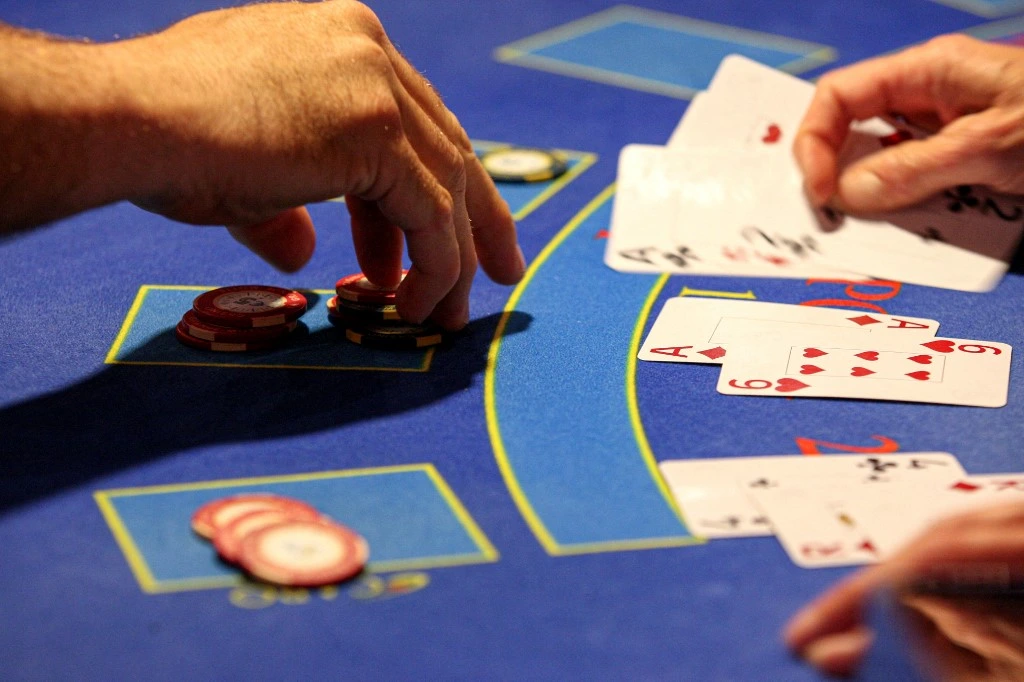
One of the biggest mistakes beginners make is playing too many hands. Winning players know the value of folding early.
• Start strong with premium hands: pairs like Aces, Kings, Queens, and high suited connectors like AK or AQ.
• Be willing to fold weaker hands, especially when you’re in an early position.
Remember: The cards you don’t play are just as important as the ones you do.
3. Position is Power

Your position at the table greatly affects your strategy.
• Being in a late position (acting last) gives you the advantage of seeing how other players bet before making your decision.
• In early position, play more conservatively; in late position, you can widen your hand range.
4. Master Reading Tells
One of the biggest advantages in offline poker is the ability to read body language and behavior.
• Watch for nervous movements, shaky hands, sudden posture changes, or unusual betting patterns.
• Some players fake tells, so compare behavior over multiple hands before making assumptions.
• Observe how long they take to bet — hesitation or speed can sometimes reveal confidence or uncertainty.
5. Keep Your Own Tells in Check
While reading others is important, don’t give away free information yourself.
• Maintain consistent body language regardless of your hand strength.
• Avoid obvious changes in tone or facial expression.
• Use neutral gestures when betting or folding.
6. Manage Your Bankroll
A winning poker player treats their chips like investment capital, not play money.
• Set a budget before you start and never chase losses.
• Use proper bet sizing — don’t risk too much on marginal hands.
• Know when to walk away if things aren’t going your way.
7. Bluff with Purpose
Bluffing is a powerful tool — but only when used wisely.
• Bluff against fewer players, preferably those you’ve observed to be cautious.
• Tell a believable story with your bets — your betting pattern should make sense given the hand you’re representing.
• Avoid bluffing too often; experienced players will pick up on it quickly.
8. Pay Attention to Pot Odds
Pot odds help you decide whether to call a bet based on the likelihood of completing your hand.
• For example, if the pot is $100 and you need to call $20, you’re getting 5-to-1 odds.
• Compare that to your chance of hitting your draw — if your odds are better than the pot odds, it’s a good call.
9. Table Image Matters
In offline poker, your table image — how others perceive you — can work for or against you.
• If you’ve been playing tight, a sudden aggressive move can be more believable.
• If you’ve been aggressive, you may get called more often, so adjust accordingly.
10. Practice Patience and Emotional Control
Poker can be a rollercoaster of wins and losses. Emotional stability is key.
• Don’t go “on tilt” (playing recklessly after losing a hand).
• Keep a calm demeanor even after big losses or wins.
• Remember: in the long run, good decisions beat short-term luck.
Bonus Tip: Learn from Experience
The more you play, the more you’ll understand player tendencies, betting patterns, and psychological dynamics.
• Take mental notes about regular opponents at the casino.
• Review your hands later (if possible) to see what you could have done differently.
• Watch professional poker games to study advanced strategies.
Conclusion
Winning at poker in an offline casino is not just about having good cards — it’s about making the best decisions with the information you have. From choosing the right hands to play, controlling your table image, and reading opponents’ tells, every detail matters.
By combining technical knowledge with observation skills and emotional discipline, you can significantly improve your chances of leaving the casino as a winner. Remember: poker is a long-term game, and consistency will always outperform short bursts of risky luck.
About the Author