Minimalist Lifestyle That Can Make Your Life Happier
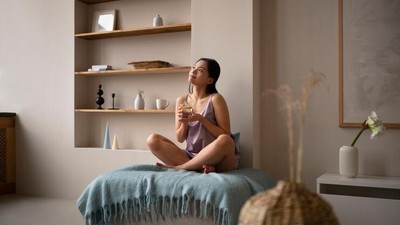
A minimalist lifestyle has become increasingly popular across the world including among young professionals families and students. In today’s fast moving digital era people have easier access to online shopping social media and endless product recommendations. While these conveniences make life more comfortable they also encourage unnecessary spending and excessive consumption. Many people eventually discover that owning more possessions does not always lead to greater happiness. Instead too many belongings often create clutter financial pressure and unnecessary stress.
As we move through 2026 more people are embracing minimalism as a practical way to improve their quality of life. Minimalism does not mean living with nothing or giving up comfort. Instead it is about intentionally choosing what truly adds value while letting go of unnecessary distractions. This approach allows people to focus on meaningful experiences personal growth strong relationships and overall wellbeing rather than constantly chasing material possessions.
Understanding the Meaning of Minimalism

:strip_icc():format(webp)/kly-media-production/medias/3141382/original/052489100_1591068682-woman-in-gray-sweater-drinking-coffee-3759089.jpg)
A minimalist lifestyle is based on simplicity and intentional living.
People choose to keep only the possessions habits and commitments that genuinely improve their lives.
Everything that no longer serves a meaningful purpose is gradually removed.
The objective is not simply to own fewer things but to create more space more freedom and greater peace of mind.
Minimalism looks different for everyone because each person has unique priorities and needs.
The most important principle is making conscious decisions instead of following consumer trends.
Reducing Unnecessary Possessions
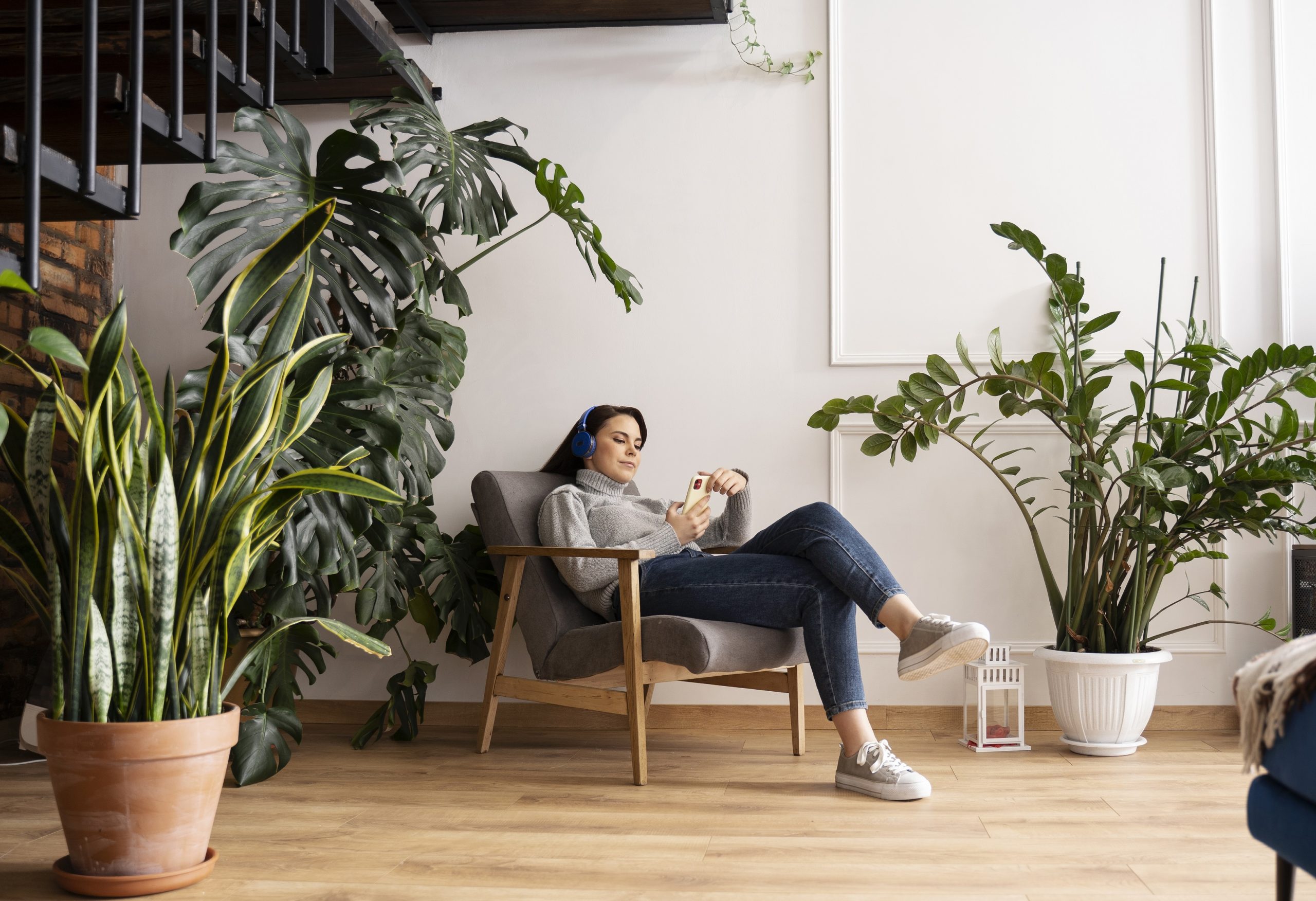
One of the first steps toward minimalism is decluttering.
Many people keep clothes electronics furniture and household items that have not been used for years.
Removing unnecessary belongings creates a cleaner and more organized home.
A tidy living environment also makes daily activities easier because important items are easier to find.
Living in an organized space often reduces stress while creating a more relaxing atmosphere.
Many people are surprised by how much lighter they feel after simplifying their homes.
Shopping More Intentionally
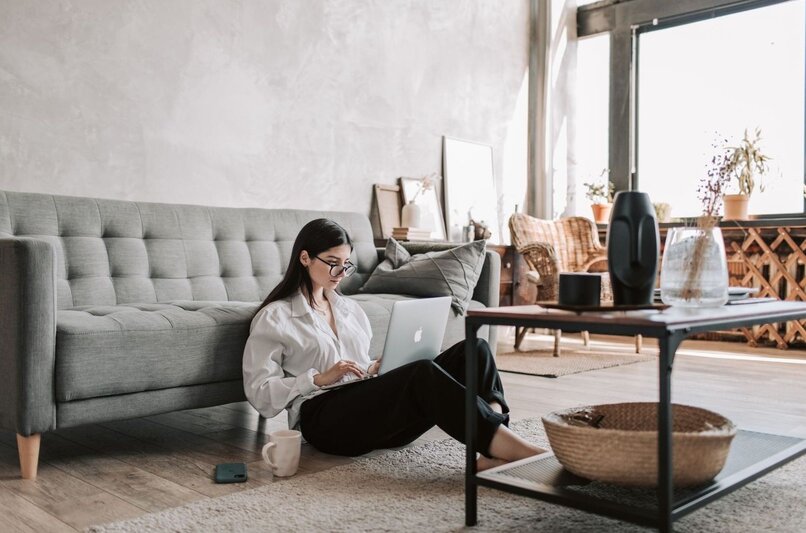
Minimalism does not forbid shopping.
Instead it encourages thoughtful purchasing decisions.
Before buying something people ask themselves whether the item is truly necessary or simply an emotional impulse.
This simple habit helps reduce unnecessary expenses.
Over time financial health improves because money is spent on things that provide long term value rather than temporary satisfaction.
Thoughtful spending also prevents homes from becoming overcrowded with unused products.
Focusing More on Experiences
Minimalists often value experiences more than material possessions.
Instead of constantly buying new products they choose to spend time traveling reading learning new skills enjoying nature or creating memories with loved ones.
Experiences usually create lasting happiness because they become meaningful memories rather than objects that eventually lose their appeal.
This shift in priorities helps people appreciate life beyond material ownership.
Escaping Consumer Culture
Modern society often encourages people to believe they need more in order to feel successful.
Advertisements social media influencers and digital marketing constantly promote new products and lifestyle upgrades.
Minimalism challenges this mindset.
Success is no longer measured by how much someone owns but by the quality of their daily life.
People begin to define happiness according to their own values rather than external expectations.
This freedom reduces social pressure and creates greater self confidence.
Creating a More Comfortable Home
A home filled with unnecessary belongings can feel crowded and overwhelming.
Minimalist homes are designed with purpose.
Every room has a clear function while decorations remain simple and meaningful.
Cleaning becomes easier and maintaining the home requires less effort.
Many people discover that an organized environment improves concentration creativity and emotional wellbeing.
A peaceful home often creates a peaceful mind.
Saving Time and Energy
Owning fewer possessions also saves valuable time.
There are fewer items to clean organize repair and maintain.
The extra time can be invested in exercise family hobbies education or personal development.
Instead of spending weekends organizing clutter people can focus on activities that genuinely improve their lives.
Minimalism creates more freedom without requiring dramatic lifestyle changes.
Supporting Environmental Sustainability
Minimalism also benefits the environment.
Buying fewer products reduces waste and lowers unnecessary consumption.
Many minimalists choose durable products reusable materials and environmentally friendly brands.
Supporting local businesses and purchasing higher quality items that last longer also reduces environmental impact.
Small daily choices contribute to a more sustainable future while encouraging responsible consumption.
Improving Mental Wellbeing
Mental health is one of the greatest benefits of minimalism.
Living with fewer distractions often creates greater emotional clarity.
People spend less time worrying about maintaining possessions and more time focusing on meaningful priorities.
A simpler environment reduces visual clutter which can help lower stress levels.
Many mental health experts believe organized living spaces contribute to better emotional balance and overall wellbeing.
Minimalism encourages mindfulness by helping people appreciate what they already have.
Building Stronger Relationships
Minimalism reminds people that relationships are more valuable than possessions.
Instead of constantly pursuing material goals many individuals prioritize spending quality time with family friends and loved ones.
Sharing meals meaningful conversations traveling together or simply enjoying quiet moments creates stronger emotional connections.
These relationships provide lasting happiness that material possessions rarely achieve.
Strong social connections remain one of the most important foundations of a fulfilling life.
Minimalism Does Not Mean Sacrifice
One common misunderstanding is that minimalism requires people to give up comfort or enjoyment.
In reality minimalism is about choosing quality over quantity.
People still own the things they truly love and regularly use.
The difference is that every possession serves a purpose and contributes positively to daily life.
This intentional approach creates a healthier balance between needs and wants.
Minimalism is not about deprivation but about living with greater awareness and freedom.
Conclusion
A minimalist lifestyle has become one of the most meaningful ways to achieve greater happiness in 2026. By reducing unnecessary possessions making thoughtful purchasing decisions and focusing on experiences instead of material wealth people can enjoy a calmer more organized and more fulfilling life. Minimalism also improves mental wellbeing strengthens financial stability supports environmental sustainability and creates more opportunities to spend time with the people who matter most.
In an increasingly fast paced world minimalism offers a refreshing reminder that happiness does not come from owning more but from appreciating what truly matters. By simplifying daily life and making intentional choices people can build a future filled with greater balance stronger relationships and lasting personal satisfaction. Minimalism is more than a design trend because it represents a healthier way of living that continues to inspire millions of people around the world.
About the Author