Why Slow Living Is Becoming More Popular Among Young People

In recent years the concept of slow living has gained significant attention especially among younger generations. In a world where everything moves quickly people are constantly connected through technology and daily routines are often filled with endless responsibilities many young adults are beginning to search for a healthier and more balanced way of living. Slow living does not mean being lazy or avoiding ambition. Instead it encourages people to become more mindful appreciate each moment and focus on quality rather than constant speed.
The year 2026 is expected to become another important milestone for this lifestyle movement. More people are realizing that success is not measured only by career achievements or financial wealth. Physical health mental wellbeing meaningful relationships and personal happiness are becoming equally important. This shift in mindset is one of the main reasons why slow living continues to attract attention around the world.
Understanding the Meaning of Slow Living
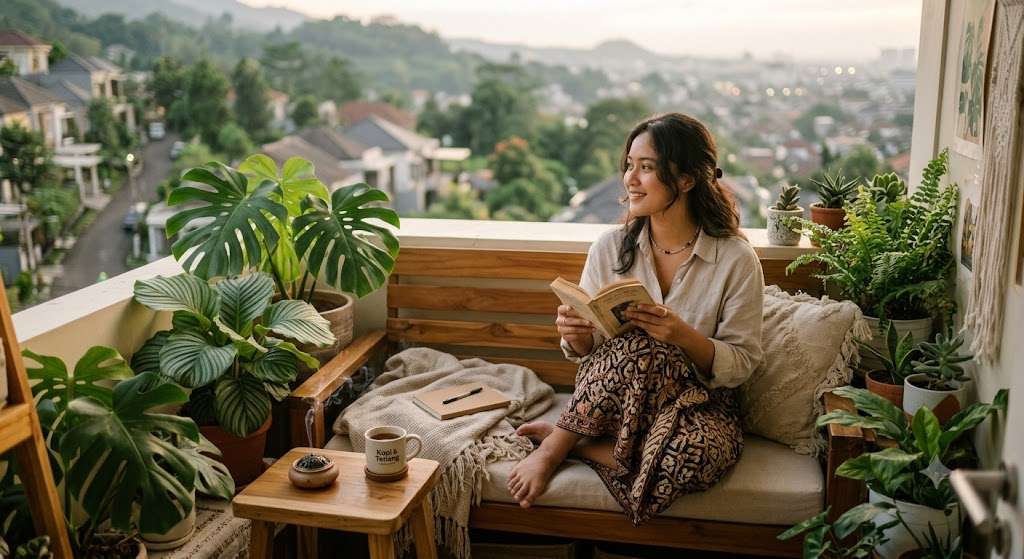
Slow living is a lifestyle that encourages people to live with greater awareness and intention.
Instead of rushing through every activity people learn to enjoy each process and make thoughtful decisions about how they spend their time.
Individuals who practice slow living often become more selective about their daily schedules work commitments digital consumption and personal priorities.
The goal is not to accomplish less but to create a life that feels more balanced meaningful and fulfilling.
This philosophy reminds people that every person has a different pace in life and there is no need to constantly compare themselves with others.
Modern Life Creates Constant Pressure

:strip_icc():format(webp)/kly-media-production/medias/1378922/original/036971200_1476876853-9stres-berat.jpg)
One of the biggest reasons slow living has become more popular is the growing pressure of modern life.
Young people face increasing competition in education careers and business.
Social media often creates unrealistic expectations by showing carefully curated images of success wealth and happiness.
Many individuals begin to feel that they must always remain productive improve their skills or achieve new milestones every day.
Over time this constant pressure can lead to exhaustion and emotional fatigue.
Slow living offers an alternative perspective by reminding people that rest and recovery are just as valuable as productivity.
Greater Awareness of Mental Health
:strip_icc():format(webp)/kly-media-production/medias/4915775/original/073441000_1723447393-fimela_fashion_juli_2022-20220719-413-adrian.jpg)
Mental health has become an important topic across many countries.
Young generations are more willing to discuss stress anxiety and emotional wellbeing than previous generations.
Instead of ignoring these challenges many people now actively seek healthier ways to manage their lives.
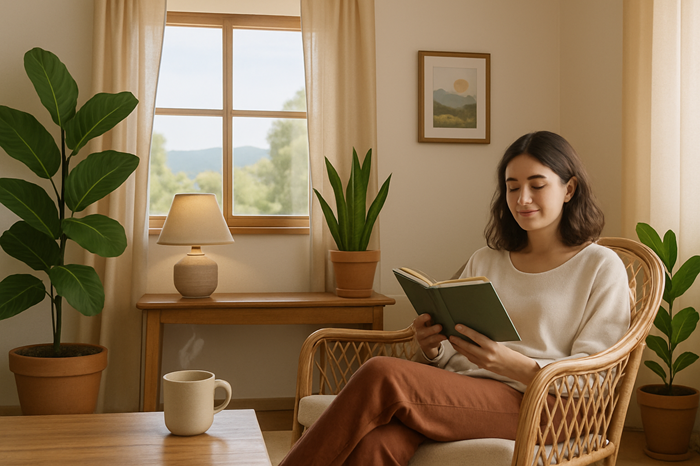
Activities such as meditation reading walking in nature practicing mindfulness or simply spending quiet time alone have become valuable parts of daily routines.
Slow living supports these habits by encouraging people to slow down and pay attention to both their physical and emotional needs.
Social Media Also Helps Spread the Movement
Although social media is often blamed for increasing stress it has also played an important role in introducing slow living to a wider audience.
Many creators share peaceful morning routines home cooking gardening reading journaling and simple daily activities.
These types of content inspire viewers to appreciate ordinary moments instead of constantly chasing perfection.
Rather than focusing only on luxury lifestyles people are beginning to value authenticity simplicity and emotional wellbeing.
This cultural shift has encouraged more young people to explore slow living for themselves.
Working Smarter Instead of Working Longer
Career priorities are changing for younger generations.
Many professionals no longer believe that working the longest hours automatically leads to success.
Instead they value efficiency flexibility and work life balance.
Remote work hybrid work arrangements and flexible schedules allow people to spend more time with family friends hobbies and personal interests.
Slow living supports this mindset by emphasizing quality over quantity.
People become more productive when they are well rested motivated and mentally healthy.
More Conscious Consumer Habits
Slow living also influences purchasing decisions.
Instead of buying products simply because they are popular many consumers now focus on quality durability and sustainability.
People are becoming more interested in timeless fashion locally produced goods reusable products and environmentally friendly brands.
This approach reduces unnecessary spending while supporting a healthier relationship with consumption.
It also contributes to protecting the environment for future generations.
Stronger Personal Relationships
Busy lifestyles often reduce the amount of quality time people spend with family and close friends.
Slow living encourages individuals to prioritize meaningful relationships.
Sharing meals without digital distractions having long conversations spending weekends together or simply enjoying each other’s company become valuable experiences.
Strong relationships improve emotional wellbeing and provide support during difficult times.
Young people increasingly recognize that meaningful connections bring greater happiness than constant busyness.
Appreciating Everyday Moments
One of the most beautiful ideas behind slow living is learning to enjoy simple experiences.
Preparing a morning cup of coffee reading a favorite book walking through a local park cooking dinner or watching the sunset can become deeply satisfying activities.
Instead of always looking toward future achievements people begin appreciating the present moment.
This habit reduces unnecessary stress and increases overall life satisfaction.
Many people discover that happiness often exists within ordinary daily experiences rather than extraordinary events.
Using Technology in a Healthier Way
Technology remains an essential part of modern life but many young people are learning to use it more intentionally.
Digital detox routines become increasingly common.
Some people disable unnecessary notifications while others establish screen free hours during meals or before bedtime.
Limiting social media usage helps improve focus sleep quality and emotional balance.
Technology becomes a useful tool rather than something that controls every aspect of daily life.
This healthier relationship with digital devices perfectly aligns with the philosophy of slow living.
Slow Living Does Not Mean Giving Up Ambition
One common misunderstanding is that slow living encourages people to become less ambitious.
In reality the opposite is often true.
People who maintain healthy routines manage stress effectively and prioritize their wellbeing frequently perform better in both their careers and personal lives.
Slow living encourages intentional action rather than constant activity.
Instead of doing everything at once individuals focus on what truly matters.
This leads to better decisions stronger creativity and more sustainable long term success.
Why Slow Living Will Continue Growing
Looking ahead slow living is expected to become even more influential in the coming years.
Mental health awareness continues to grow while workplaces increasingly recognize the importance of employee wellbeing.
Flexible work environments sustainable living and digital balance are becoming permanent parts of modern society.
Younger generations are redefining success by placing greater value on happiness health freedom and meaningful experiences.
As these values continue spreading slow living is likely to evolve from a lifestyle trend into a lasting cultural movement.
Conclusion
Slow living is becoming increasingly popular among young people because it offers a practical response to the fast paced demands of modern life. Greater awareness of mental health the desire for better work life balance stronger relationships and more intentional use of technology have encouraged many individuals to embrace this philosophy. Rather than reducing ambition slow living helps people focus on what truly matters while creating healthier routines and more meaningful experiences.
As society continues evolving throughout 2026 and beyond slow living is expected to remain one of the most influential lifestyle movements around the world. By choosing mindfulness balance sustainability and quality over constant speed young people are building a future that values personal wellbeing just as much as professional achievement. This balanced approach allows individuals to enjoy greater happiness stronger mental health and a more fulfilling life in an increasingly connected world.
About the Author